 Reviewed by
Standard windows are designed to be functional — but custom-shaped windows are designed to stand out. Whether it’s a round window tucked into a bathroom wall or a grand arched opening above your front entry, specialty-shaped windows bring personality, light, and architectural depth to a home. They offer a way to emphasize unique design features, brighten unexpected areas, and elevate both the interior ambiance and exterior curb appeal of your property.
Key Takeaways
- Cost ladder: half-round $800–$2,000, octagon $1,200–$2,500, gothic/trapezoid $1,500–$3,500, combinations $3,000–$8,000. Clad-wood +40–80%.
- Lead time: 4–10 weeks fabrication. Install 2–4 hours per opening (vs 1–2 hr for standard rectangles).
- Best uses: over front entries, cathedral gables, staircase landings, bay window combos, historic home matching. NOT for: egress bedrooms, rentals, tight budgets.
- ROI: half-round over front door 80–110% at resale (rare positive-ROI luxury feature). Hold 10+ yrs and design impact must be curb-visible.
- 8 main shapes: half-round, full-round/oval, octagon, eyebrow, gothic peak, trapezoid, hexagon, combinations. Most fixed; some operable at premium.
Types of Custom Window Shapes
| Shape | Common Locations | Visual Impact |
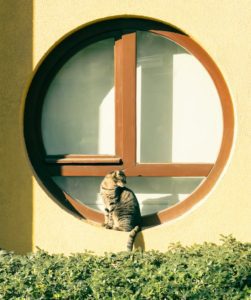
| Round / Porthole | Bathrooms, stairwells | Nautical, soft, minimalist |
| Arched / Half-Moon | Over doors, in foyers | Classic elegance, height and drama |
| Triangular | Attics, modern gables | Sharp, geometric, fits tight rooflines |
| Trapezoid / Angled | Above standard windows | Contemporary or mid-century accent |
| Octagonal / Polygonal | Powder rooms, hallways | Distinctive, vintage-inspired touch |
Each shape brings a different energy — circles feel calm and organic, arches feel formal and timeless, and triangles add a modern edge.
Where to Use Custom Windows
In modern homes with angled roofs or open lofts, triangular or trapezoid windows can follow the slope of the ceiling, bringing light into awkward corners or staircases. And in formal living rooms, installing a large half-moon window above a bank of rectangular panes adds symmetry and drama.
A homeowner in Columbus, for example, added a 36-inch round window in a bathroom renovation — not just for light, but as a statement piece visible from the exterior. The result was both practical and eye-catching.
Benefits of Custom-Shaped Windows
- Architectural character: Instantly elevates exterior curb appeal and gives your home a unique identity
- Enhanced natural light: Adds light in unexpected or tight spaces where regular windows won’t fit
- Design flexibility: Works with challenging rooflines, vaulted ceilings, or oddly shaped walls
- Privacy with beauty: Shapes like portholes or arches placed high can deliver light without exposing views
- Interior ambiance: Creates shifting patterns of natural light throughout the day
These windows also create strong visual “focal points” inside a room, which designers often use to balance space or frame views.
Challenges and Considerations
- Cost: Custom manufacturing, curved glass, and specialty framing can cost significantly more than standard sizes
- Limited ventilation: Most shaped windows are fixed (non-opening), which means they don’t offer airflow
- Coverings: Finding blinds or shades for round or arched windows is difficult; often requires custom treatments
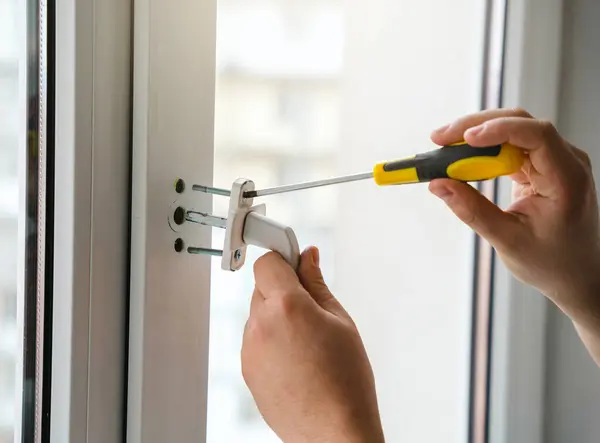
- Installation complexity: Precision measurements and skilled installers are essential, especially for weatherproofing
- Lead time: Custom windows take longer to fabricate — weeks or even months depending on shape and supplier
That said, for many homeowners, the visual payoff outweighs the added effort — especially in homes where design details matter.
Tips for Design and Installation
- Balance symmetry and contrast: Use custom shapes to complement standard windows, or make them stand alone as a visual anchor
- Glazing matters: Choose frosted, tinted, or stained glass to manage light and privacy, especially in bathrooms or high-sun areas
- Plan for orientation: South-facing round windows will flood the space with sun — great in winter, but possibly overwhelming in summer
- Work with your architecture: Match shapes to rooflines, archways, or gables to make the window feel integrated
- Retrofit with care: When adding to existing structures, make sure framing and wall integrity won’t be compromised — this often requires a structural assessment
Whenever possible, plan these windows during the design or renovation phase — not after drywall goes up. That flexibility can save time, money, and headaches.
Conclusion
Custom-shaped windows are more than design flourishes — they’re architectural tools that can enhance your home’s personality, light levels, and long-term value. Whether you choose a classic arch, a playful circle, or a sleek triangle tucked under a roof pitch, these windows make a lasting impression from the inside out. For homeowners looking to move beyond the ordinary, custom shapes are a high-impact, high-style upgrade worth considering.
FAQ
Quick answers to common reader questions, drawn directly from real search intents.
Yes, they generally cost more due to custom manufacturing, non-standard framing, and longer lead times.
Custom-shaped windows are non-rectangular units fabricated to specific architectural designs — arches, circles, octagons, trapezoids, eyebrow curves, gothic peaks, and combinations. They’re built to the exact dimensions and angles of your opening rather than fitting a standard catalog size. Manufacturing requires specialty tooling: extruded vinyl/aluminum frames cut and welded at custom angles, glass cut and (typically) tempered to match. Lead time: 4–10 weeks vs 2–4 weeks for standard rectangular windows.
For typical residential sizes (under 30 sq ft of glass): arched/half-round $800–$2,000 per window installed; circular/octagonal $1,200–$2,500; gothic/eyebrow/trapezoid $1,500–$3,500; complex multi-unit combinations $3,000–$8,000. Premium clad-wood (Andersen, Marvin, Pella) runs 40–80% higher than standard vinyl. Cost drivers: tempered safety glass (often required at this size), matching divided lites, and bespoke trim profiles. Add 30–60% for installation if structural framing modifications are needed.
Eight common shapes: (1) half-round (semicircular top, popular over front doors); (2) full-round/oval (porthole-style accents); (3) octagon (Federal and Cape Cod styles); (4) eyebrow (gentle curve, mid-century and craftsman); (5) gothic peak (pointed top, churches and Victorian); (6) trapezoid (cathedral ceilings, vaulted gables); (7) hexagon (rare, modern accents); (8) combination shapes (arched-over-rectangle for dramatic spans). Most can be fixed (non-operable), some — half-round, oval — can be made operable for ventilation at premium cost.
Best applications: (1) over front entries (half-round arch above standard door) — adds 5–15% to perceived home value; (2) cathedral ceiling gables (trapezoid filling the angled space); (3) staircase landings (oval or octagonal accent); (4) above bay window combinations (eyebrow curves connecting multiple units); (5) historic home matching (gothic peaks for Victorian, octagons for Federal). Avoid for: bedrooms requiring egress (custom shapes rarely meet egress code), rentals (cost recovery is poor), tight budgets (5–10× standard window cost).
Lead time: 4–10 weeks from order to delivery (premium brands closer to 4 weeks, budget shops up to 10). Once on-site, typical install is 2–4 hours per opening — longer than standard rectangles because shape transitions require precise framing and trim work. For combination windows (arched-over-rectangle), plan a full day per unit. Whole-home custom installations can take 1–2 weeks. The rate-limiting factor is fabrication time, not install time.
For architectural homes where design matters: yes — a single half-round window over a front door costs $1,000–$2,000 but typically returns 80–110% at resale (one of the few projects with positive ROI on luxury features). For utilitarian needs: no — custom shapes are 5–10× standard rectangle pricing for the same glass area. The break-even: if the architectural impact is visible from the curb AND you’re holding the home 10+ years, custom shapes pay back. Otherwise, choose decorative trim or accent rectangles instead.