Tempered glass may be stronger than standard glass, but it’s not indestructible. Bumps and bruises from little mishaps — a rogue key or pet’s toe — can leave a bit of an eyeful. But don’t let that worry you. Here are a few at-home tricks for addressing those unwanted lines, and most of them call for supplies you probably already have on hand. If the damage is too severe, it may involve calling in the pros, but let’s start with the DIY tricks that just might restore your glass to its near-pristine glory.
Here are three effective ways you can get scratches out of tempered glass:
- Toothpaste and a Soft Cloth
- Liquid Soap and Two Pumice Stones or Steel Wool
- Buffers or Sanders
These aren’t one-size-fits-all solutions, but they’ve worked for lots of people who just wanted to clean up light scratches. Below, you’ll also find a few bonus lists with more information—because sometimes you need more than the basics to fix glass bios (or prevent years from being added to your age).
Key Takeaways
- Light scratches: removable with cerium oxide polishing compound + felt buffing wheel ($25–$50 in tools).
- Deep scratches that catch a fingernail: NOT safely removable — replace the glass.
- Best DIY: cerium oxide is gold standard; white toothpaste or baking soda paste work for very light marks.
- Avoid: aluminum oxide or silicon carbide abrasives — damage low-E and other coatings.
- Safety limit: stay under 20 microns total removal; over-polishing weakens temper layer and causes spontaneous shattering.
Assessing the Damage
Before you do any repairs, though, it is important to assess just how bad those scratches are. You’ll want to start with a sparkly clean surface — you know, dust and smudges can trick you into thinking the scratch is larger (or smaller) than it actually is. Use a reputable glass cleaner and a lint-free cloth or microfiber towel. If the scratch feels deep, or if you’re unsure how to proceed, it might be worth reaching out for window repair Columbus services to get professional assistance.
Check with Your Fingernail:
- If your nail snags, the scratch is likely from the deeper end. If the tempered glass is critical in terms of safety or insulation, you may need to call in professionals.
- If it glides smoothly, you’re in luck — this is the kind of scratch you can typically handle on your own.
Before You Start Polishing: New Quick-Check List
- Ensure the glass is fully dry.
- Get all your materials (cloths, abrasive agents, cleaning solution) together so you’re not scrambling mid-repair.
- Check the edges surrounding the scratch for cracks or chips that could point to bigger problems.
Toothpaste and a Soft Cloth
Maybe you’re saying to yourself, “Toothpaste? Really?” But yes, it’s a tested remedy for faint scratches that aren’t too deep. The slight abrasives in whitening toothpaste help remove tiny blemishes without causing further damage. If you’re curious about how much this might cost or other potential solutions, using a window repair cost estimator could give you a better idea before diving into repairs.
Application Steps:
- Squirt a bit of whitening toothpaste onto a soft cloth — plain, non-gel is typically best.
- Rub the polish into the scratch in circles for a few minutes.
- Follow by rinsing with water to remove the residue. Check if the mark has faded. If it is still visible, repeat the process or consider trying another approach.
- One small tip: steer clear of toothpaste with chunky microbeads or big abrasive grains. Those can generate new scratches rather than repair the old ones.
Liquid soap and pumice stone or steel wool
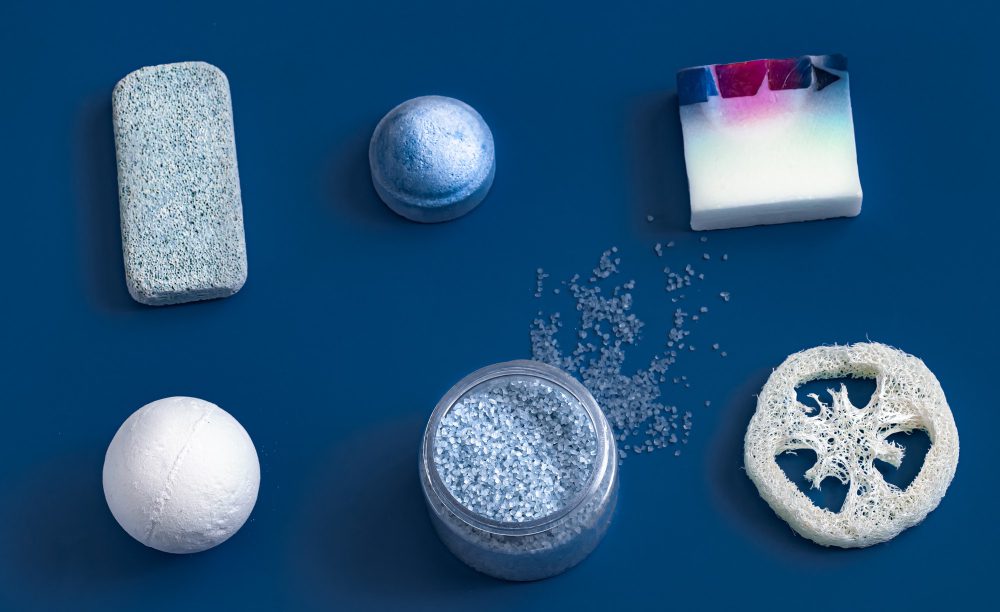
When just brushing your teeth isn’t enough, it’s time for stronger abrasives. Pumice stones (which are typically used for buffing away rough skin) surprisingly do well on glass, as long as you’re careful. Add a few drops of liquid dish soap to your pumice stone so you can keep friction under control.
Gentle Moves:
- Apply soap to the stone.
- Gently rub in a circle across the scratch.
- Clear away debris and check the area again.
- Make sure not to leave any grit behind by rinsing the glass well.
Super-fine grade steel wool (new, no rust) can work as well. Apply moderate pressure — too much force can make things worse. If there’s any indication of significant structural damage, or if you see cracks or condensation between panes, do keep in mind that a professional inspection could save you bigger headaches down the line.
Buffers
When those first two methods don’t work, it’s time for power tools. An electric buffer (or grinder with a polishing wheel) can take out deeper scratches by shaving off a micro-thin layer of the glass surface.
Essential Polishing Compound:
- Use a cerium oxide or jeweler’s rouge product.
- Attach the pad to the grinder / drill and apply the polish.
- Keep the surface wet with a gentle trickle of water — this ensures nothing burns or scratches more.
- Gently polish for 3–5 minutes before wiping clean and assessing your progress.
Pause when the glass gets too warm and if you tend to read carefully and long, repeat as needed. Overheating can cause new blemishes and degrade the glass.
Additional Considerations
New Points to Remember:
- Safety First: If the glass is part of a balcony rail or big window, you will want professional advice if there is any question about its structural integrity.
- Check for Defects: Internal problems in tempered glass aren’t always apparent on the surface, so if you think something isn’t right, a specialized inspection can help prevent headaches down the line.
- Insurance Coverage: In some cases, homeowner’s insurance may assist with major window replacements — worth a quick check if you’re facing a steep repair bill.
If you notice condensation between panes or persistent cloudiness, that could indicate a failing seal in double-pane windows. In such cases, a full repair or replacement is often the preferable (or only) good choice to maintain energy efficiency and general appearance.
Final Thoughts
For minor scratches, you have choices — several involving nothing more than rooting through your bathroom cabinet for toothpaste. For deeper scars, upgrading to more abrasive tools or buffer pads can make all the difference. But ultimately it’s about knowing how much of a DIY solution is enough, and when you need to engage an expert.
Avoid ruining your tempered glass surfaces by maintaining cleanliness, providing gentle care or treatment, and getting ahead of problems at the first sign of trouble. A little polish may be all you need to keep your favorite table, window, or door looking like new. Sure, it’s easy enough to get disheartened by a couple of lines in spots here and there — but with a little effort you can buff out those blemishes and keep the look of your tempered glass sleek and shiny for years.
Professional help
To learn more about the service of glass replacement or repair and rates, call the contact phone number listed on the site or fill out the feedback form.
Frequently Asked Questions
Quick answers to common reader questions, drawn directly from real search intents.
Light surface scratches: yes, with consumer products (cerium oxide polishing compound, baking soda paste, or non-gel toothpaste). Medium scratches: partially, by reducing visibility but not eliminating completely. Deep scratches that catch a fingernail: no — tempered glass cannot be safely polished deep enough to fully remove them because removing more than ~20 microns of surface compromises the temper layer and weakens the glass. Deep-scratched tempered glass should be replaced.
Cerium oxide polishing compound is the gold standard — 4–8 oz of cerium oxide powder mixed to a paste, applied with a felt buffing wheel on a low-RPM drill (1,000–2,000 RPM max). Cost: $15–$30 for the compound, $10–$20 for the wheel. Cheaper consumer alternatives: white toothpaste (paste, not gel) or baking soda+water paste applied with a microfiber cloth. Avoid: any abrasive containing aluminum oxide or silicon carbide — these damage tempered glass coatings.
Honest answer: you usually can’t safely. Tempered glass has a compressed surface layer ~50 microns deep that gives it strength. Polishing more than 20 microns risks breaking through that layer, which causes immediate or eventual catastrophic failure (the glass shatters). For deep scratches that catch a fingernail, your options are: (1) replacement (often the only safe route), (2) decorative window film to mask the scratch, (3) repurpose the glass to a non-safety location.
Tempered glass is the SAME hardness as regular annealed glass (Mohs ~5.5–6) — it scratches just as easily. The “tempered” property only refers to internal stress that makes it 4–5× stronger against impact and breakage. Common myth: tempered glass is “scratch-resistant.” It isn’t. The scratch resistance you’re thinking of comes from coatings: low-E coatings (more vulnerable to scratching) or anti-reflective coatings (slightly more durable). Bare tempered glass has standard glass hardness.
Yes, if you over-polish. Tempered glass strength comes from a compressed surface layer 30–80 microns deep. Polishing a single area too aggressively can remove enough material to break through this layer locally, creating a stress concentration that can propagate to spontaneous shattering. Safe polishing rules: stay below 20 microns total removal, work in small circular motions over a wider area (don’t focus heat in one spot), keep buffing wheel below 2,000 RPM, and stop if the glass surface feels hot to touch.

Ready to fix your windows? Get a free quote in 30 seconds.
Family-owned, licensed & insured. Most quotes delivered the same day.