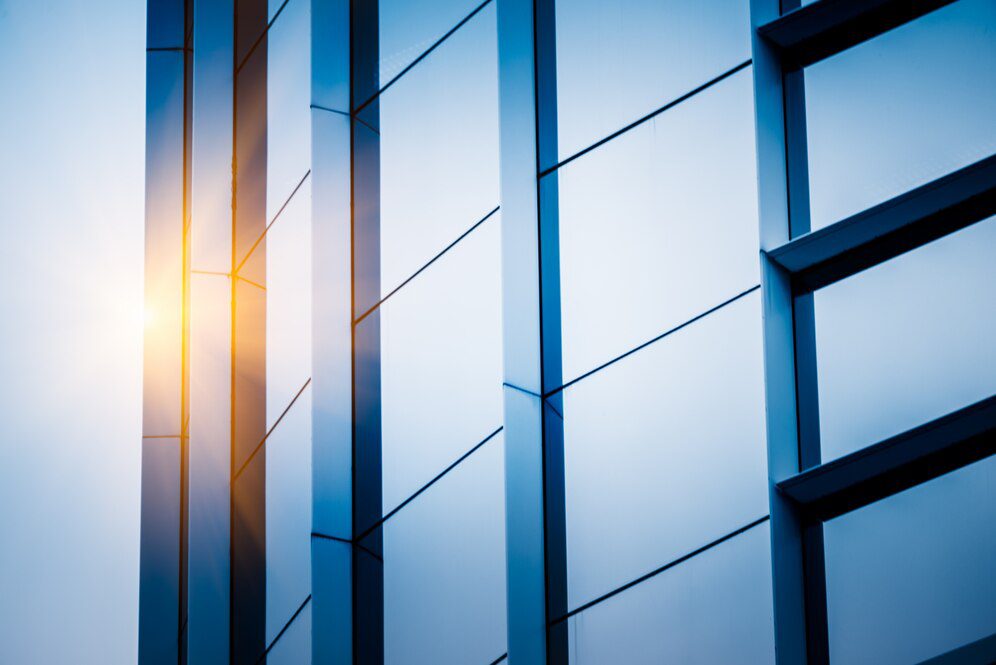
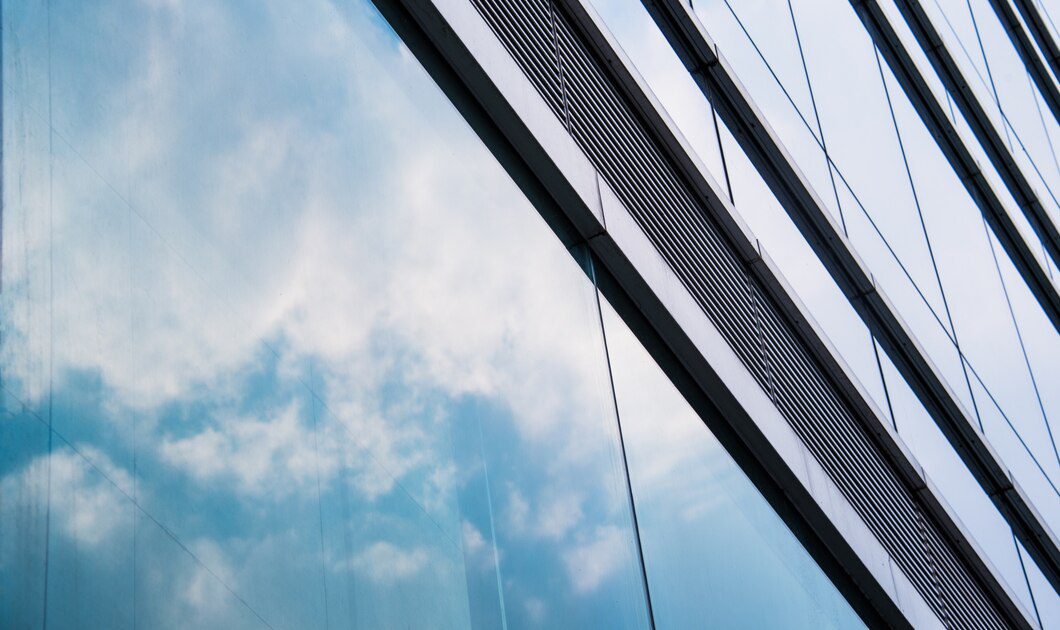
Reflective glass is either clear or tinted and features a thin metallic or metal oxide layer on its surface. This layer is applied during the float glass manufacturing process. Generally, the thicker the glass, the less light it allows through. Reflective coatings are designed to minimize heat transfer and glare while still permitting visible light to pass through. These windows are particularly suitable for south-facing homes and apartments, which often experience significant heat during summer months. Reflective windows help prevent air space overheating and reduce electricity consumption from continuous air conditioner use.
Key Takeaways
- What it is: glass with metallic coating reflecting 30–60% of light/heat. Mirrored exterior in daytime, clear view from inside.
- Cost: reflective IGU $300–$650 installed; commercial-grade $500–$1,200. Reflective film alternative $5–$15/sq ft (70–80% benefit, 20–30% cost).
- Energy savings: SHGC drops from 0.7 to 0.25–0.40, cutting AC 15–25% on south/west. Best for cooling-dominated climates.
- NOT one-way mirror: at night with interior lights, effect reverses. For 24/7 privacy: combine with curtains/blinds.
- 5 types: silver (max reflection), bronze/gold (warm), blue (modern office), green (neutral), low-E reflective (heat retention combined). Pick by orientation + aesthetic.
Appearance and Visibility
Energy Efficiency and Comfort

Why Choose Professionals?
The specialists at Window Gurus are equipped to assist you in selecting and installing the right reflective glass for your needs, ensuring professionalism and top-quality service. Contact Window Gurus for a detailed consultation and to schedule your installation. Reflective glass is an excellent choice for improving the energy efficiency and aesthetic appeal of your building. Window Gurus is committed to providing high-quality glass installation and replacement services, guaranteeing the durability and reliability of your property.
Frequently Asked Questions
Quick answers to common reader questions, drawn directly from real search intents.
Reflective glass is window glass with a thin metallic coating (typically aluminum, chromium, or silver alloy) applied during manufacturing that reflects 30–60% of incoming light and heat. From outside, it appears mirrored during daytime — useful for privacy. From inside, the view remains clear when interior light is dimmer than exterior. Used widely in commercial high-rises, modern homes facing busy streets, and any application needing solar control without losing daylight.
Five common types: (1) silver-coated — most reflective, near-mirror appearance, $25–$50 per sq ft; (2) bronze/gold — warmer aesthetic, 40% reflectivity, used in luxury commercial; (3) blue — modern aesthetic with 35% reflection, common in office buildings; (4) green — neutral tint, 30% reflection, blends with most architecture; (5) low-E reflective — combines reflection with heat retention, $35–$60/sq ft. Choose based on aesthetic goal and orientation: silver for max heat rejection on west exposures, bronze/blue for visual warmth.
Reflective glass has a permanent metallic coating that reflects light from both sides — it’s about heat and glare control, plus daytime privacy. One-way mirror glass works only because of lighting differential — it’s NOT actually one-way. At night when interior is brighter than exterior, the “one-way” effect reverses (people outside can see in). For 24/7 privacy: combine reflective glass with curtains/blinds for night use. For pure heat control without privacy concerns: standard low-E coating works as well at lower cost.
Per-window installed pricing: standard reflective single-pane $200–$400; reflective IGU (insulated glass unit, more common): $300–$650; commercial-grade tempered reflective: $500–$1,200. Whole-window replacement with reflective glass: $700–$1,500 vinyl, $1,200–$2,500 fiberglass or wood. Cheaper alternative: reflective film applied to existing glass, $5–$15 per sq ft installed — gets you 70–80% of the heat-rejection benefit at 20–30% the cost. Film lifespan: 10–15 years.
Yes, but with considerations. Pros: cuts cooling costs 15–25% on south/west exposures, daytime privacy, modern aesthetic, reduces UV fade on furniture. Cons: night reverse (no privacy), neighbors may complain about glare reflecting onto their property (some HOAs ban it), reduced visible light transmission (10–20% less). Best residential use: high-glare west-facing windows, urban homes with close street exposure, modern architectural builds. Skip for: north-facing rooms (no benefit, just costs more), HOA-restricted neighborhoods.
Yes — typical reflective glass cuts solar heat gain coefficient (SHGC) from 0.7 (clear glass) to 0.25–0.40, reducing summer cooling demand 15–25%. For a 2,000 sq ft home with 12 windows, that’s $150–$400/year in AC savings on south/west exposures. The trade-off: in winter, reflective glass also blocks beneficial solar heat gain, potentially adding 5–10% to heating costs. Best ROI: cooling-dominated climates (Texas, Florida, Arizona). Marginal in heating-dominated climates (Ohio, Minnesota) — go with low-E instead.

Ready to fix your windows? Get a free quote in 30 seconds.
Family-owned, licensed & insured. Most quotes delivered the same day.