





Pane, seal, or IGU
Most calls start with a damaged pane, a failed seal, or an insulated unit while the frame can still be reused.
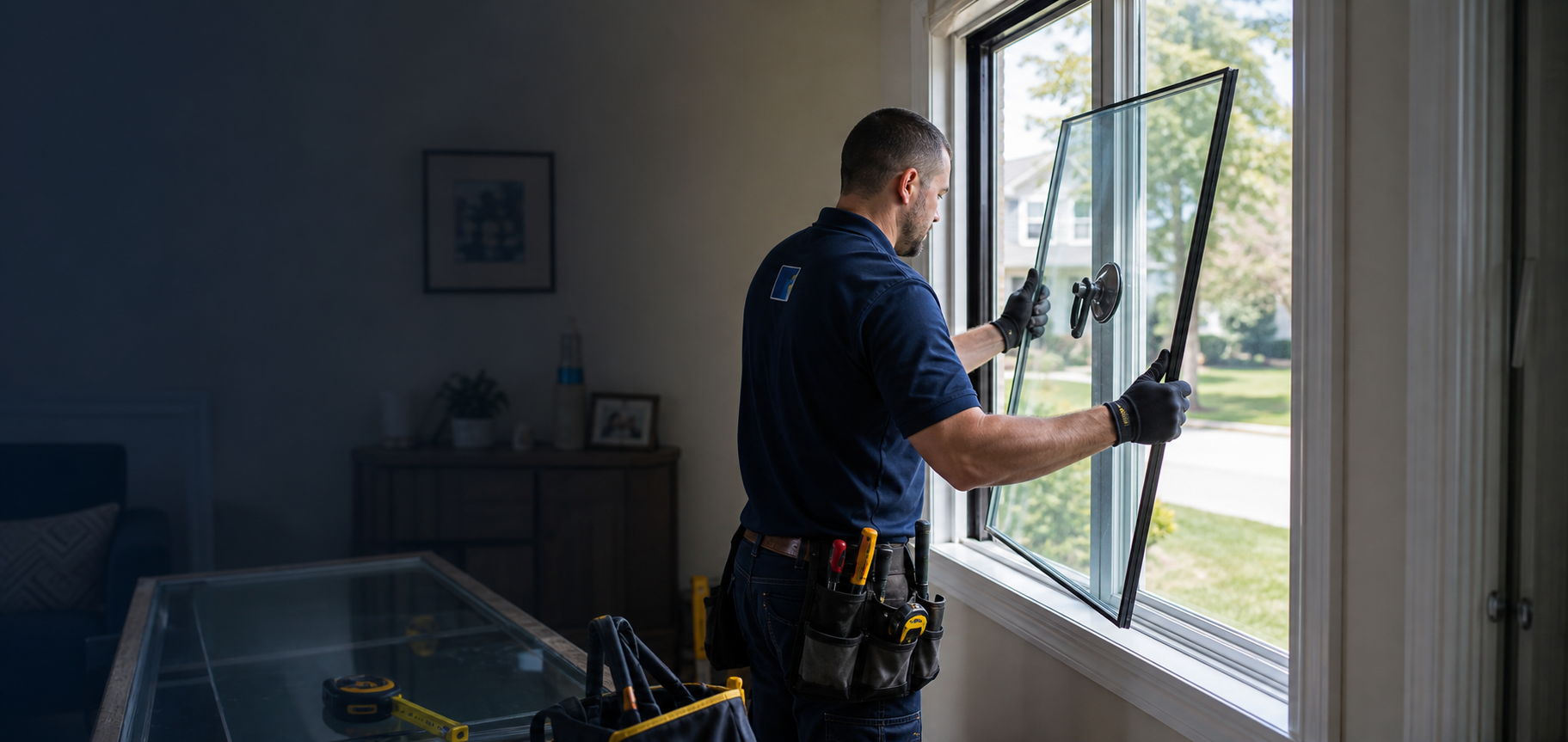
Replace cracked, foggy, or broken window glass without replacing the whole window when the frame is still sound. Window Gurus checks the pane, seal, frame, and hardware first, then recommends a focused glass option or a full window path when the opening has failed.
In many cases we can replace a cracked pane, failed seal, or cloudy IGU without removing the whole window. You keep the existing frame and trim; on site, we also flag when a full unit is the better call.
Most calls start with a damaged pane, a failed seal, or an insulated unit while the frame can still be reused.
We measure and replace the unit so the trim and interior finish stay in place.
Measuring is quick, and most installs take a short on-site visit once the ordered unit is ready.
Rotten frames, warped operation, bad hardware, or a planned style change may make a new window the smarter option.
See cracked panes, frame checks, and finished results from real projects before you request a quote.

A failed insulated unit can often be changed inside the existing opening when the frame is still working.

The finished unit restores the view while keeping the original opening, trim, and layout in place.
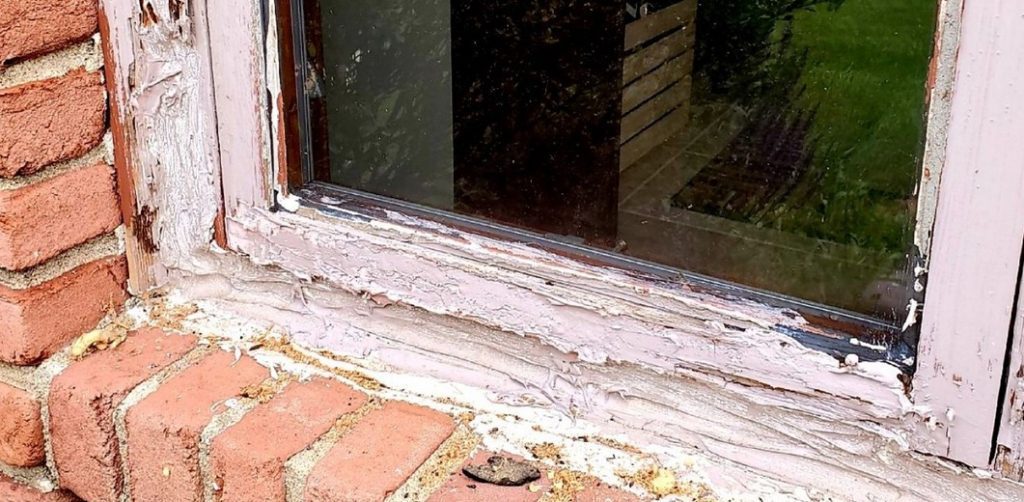
We check surrounding wood, frame movement, and water damage before recommending a focused pane service.
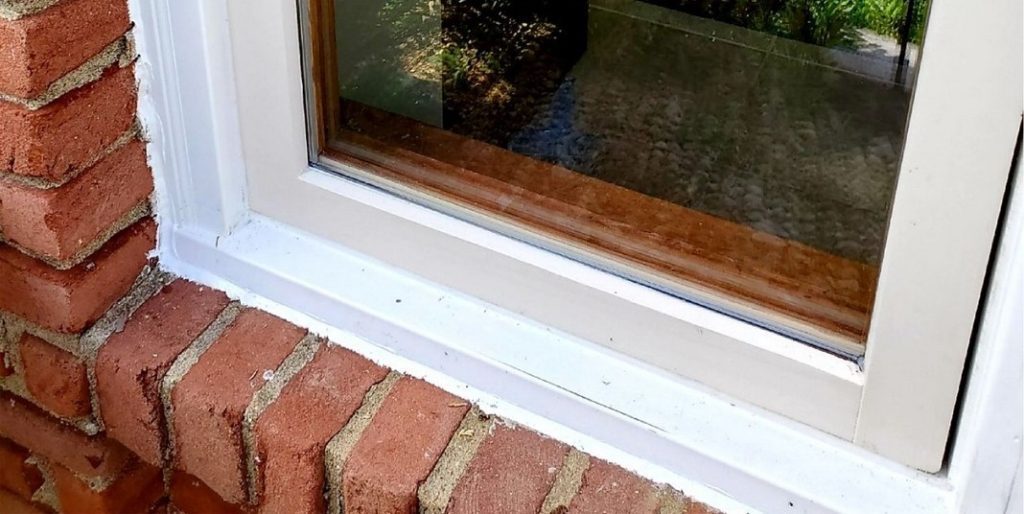
Some jobs need frame work too. Showing the condition helps set the right expectation before scheduling.
Three work photos from this service set: exterior cracking, lower-pane damage, and a before-and-after result.

The damage runs across the unit, so measuring and access checks come before ordering.

A close work photo shows cleanup needs and surrounding frame condition before quoting.

Composite photos stay in the gallery when they help visitors quickly understand the finished result.
Send a request with a short note or photo. We will confirm whether service inside the existing frame is likely before scheduling a visit.
1,484+ customer reviews across Window Gurus service pages and profiles.
You can repair all the windows in your house for a fraction of the cost of new windows. Window Gurus replaced the glass in 6 windows and repaired mechanisms and seals on other windows.
Dima with Window Gurus was on time for every appointment, sent alerts when he was close by, stayed within the quote, and did great work.
This is the second time we have used them to replace window glass. They are fast, affordable, and super nice.
They did great work and I saved a lot of money repairing instead of replacing windows.
They were very professional, kept me well informed throughout the process, and came at the scheduled time.
Fastest fix I have seen and the best price I could find.
A good quote depends on measurement, scope, and accountability. These points matter when you are comparing a focused pane fix with a full unit replacement.
No temporary crews, only Window Gurus technicians and production staff who handle measurement, ordering, and installation details.
Local service history since 2008, with review profiles and project records customers can check.
The work is covered, and the estimate stays tied to the inspected opening, not a phone guess.
We handle small pane jobs, seal failures, hardware concerns, and full units when the frame is no longer worth saving.
You see the recommendation before approval, including why the existing frame can stay or why it should not.
Built around steady service, clear communication, and long-term accountability.
Photos, field measurements, specifications, and production checks reduce surprises before the ordered unit arrives.
When the existing frame should not be reused, we can quote a full window with the right material path.
We start by checking whether the frame, operation, and hardware are still solid. If they are, targeted unit replacement usually solves the visible problem with less disruption than full replacement.
| Decision point | Keep existing frame | Full unit |
|---|---|---|
| Best for | Cracks, haze between panes, failed seals, or broken IGUs with a sound frame. | Old, damaged, warped, or inefficient windows where the frame or hardware has failed too. |
| What stays | Existing frame, trim, sill, and interior finish usually stay in place. | The full unit is removed, so trim and surrounding finishes may be affected. |
| Disruption | Lower disruption, less demolition, and a shorter on-site visit after the ordered unit is ready. | More work around the opening, with more protection and cleanup needed. |
| Result | Clear view, restored seal, and improved appearance without changing the window style. | New frame, new hardware, and an opportunity to change window type or performance. |
Cracks, haze between panes, failed seals, or broken IGUs with a sound frame.
Old, damaged, warped, or inefficient windows where the frame or hardware has failed too.
Existing frame, trim, sill, and interior finish usually stay in place.
The full unit is removed, so trim and surrounding finishes may be affected.
Lower disruption, less demolition, and a shorter on-site visit after the ordered unit is ready.
More work around the opening, with more protection and cleanup needed.
Clear view, restored seal, and improved appearance without changing the window style.
New frame, new hardware, and an opportunity to change window type or performance.
A useful quote starts with the failed unit, not a generic opening. We measure the pane, check the frame, confirm Low-E, tint, grids, and safety requirements, then quote the narrowest sensible scope.
Width, height, thickness, grid pattern, and whether the opening uses a single pane or sealed IGU all affect material cost.
Performance coating, safety requirements, obscure patterns, tint, or laminate can change the specification, lead time, and final quote.
Large panes, upper-floor windows, tight interiors, or exterior-only access can add time to measuring and installation.
If the frame is solid, replacing the failed unit is usually cleaner. Rot, movement, or failed locks may change the recommendation.
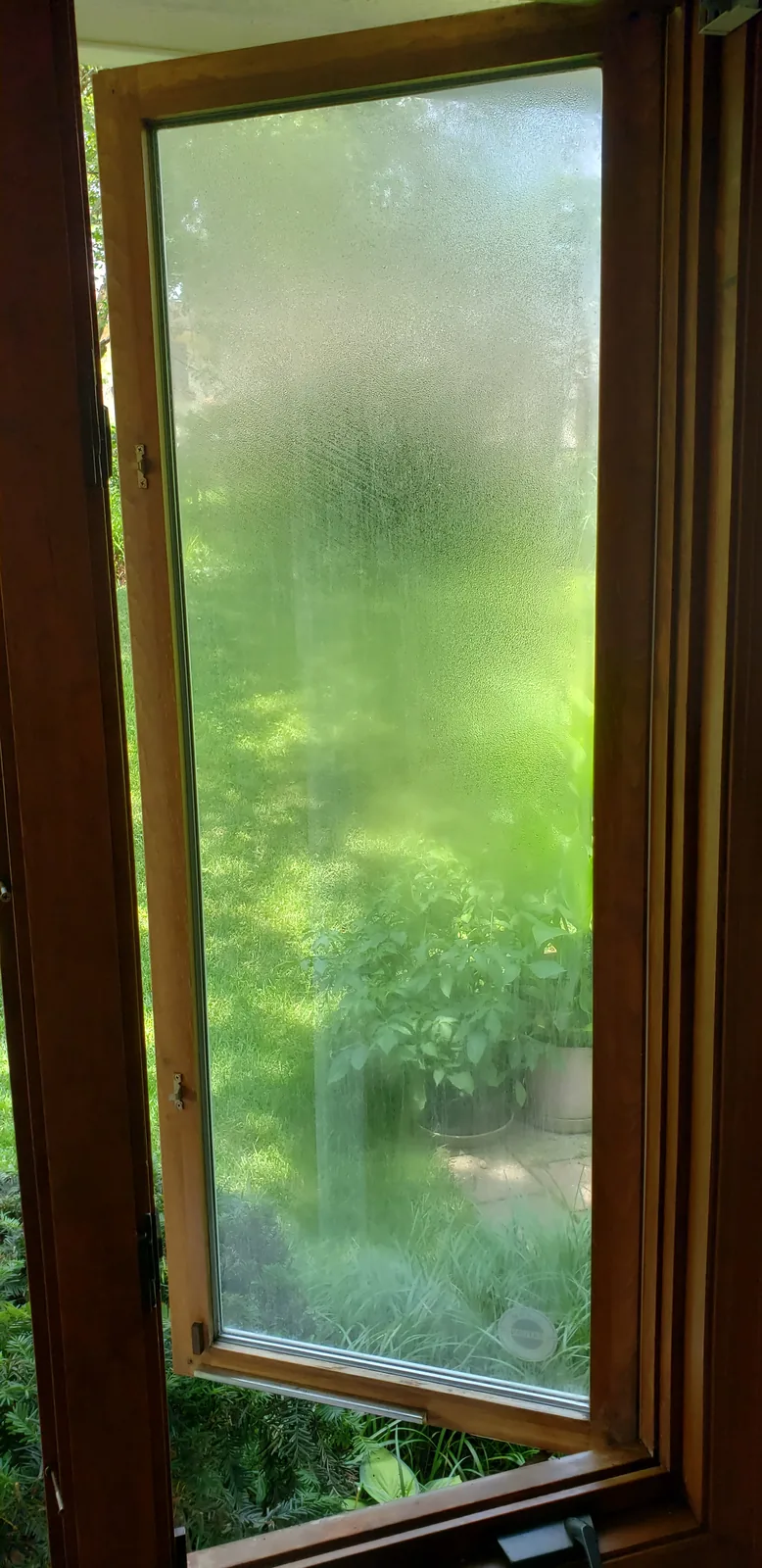
A failed sealed unit can make the pane look permanently cloudy even when the frame is still solid. In cases like this, we can often replace the unit while the sash, trim, sill, and interior finish stay in place.
This is the same repair-first approach we use for broken seal repair, double-pane windows, and insulated glass replacement.
The process stays clear from the first request to final payment. You see what is checked, what is ordered, and when the install is scheduled.
Leave a request by phone or through the website and tell us what happened to the pane or sealed unit.
Our estimator checks the frame, measures the opening, and confirms whether this narrower scope makes sense.
You review the estimate, timing, unit specification, and scope before any order is placed.
After approval, we order the needed unit or parts and schedule the installation visit.
Payment is made for the approved work after the visit is completed.
A problem can start with a crack, failed seal, cloudy double-pane unit, or a large patio door panel. These related pages help route visitors to the right service path.
For moisture, haze, or staining trapped between panes when the sealed unit has failed.
Broken seal repair 02We match the ordered unit to the opening, thickness, grids, and performance needs where possible.
Double-pane windows 03Large sliders need careful measuring, handling, and safety specifications before replacement.
Sliding door repair 04Fixed and oversized openings often need exact sizing and a clean install that protects surrounding trim.
Picture window repairDamage at a business entrance can affect safety, curb appeal, and daily operations. Standard office panes start here; storefront work moves to a dedicated service path.
We inspect cracked, outdated, or failed business panes and confirm whether a focused fix or a wider commercial window solution makes sense.
Chips, cracks, and cloudy storefront panels can hurt the entrance before a customer walks in. The storefront page is the better route for retail-facing work.
Vandalism, weather damage, and accidental breaks need a faster response than a routine quote. Tell us it is urgent when you request the visit and we will move it up the schedule.
Business doors, office partitions, privacy panels, and damaged interior units need careful measuring, safety checks, and a clean finished look.
Staircase panels, oversized panes, and uncommon openings are reviewed case by case so the quote matches safety requirements, access, and material type.
Ask us to check the pane, frame movement, hardware, and seal condition first. If a focused fix is enough, we will quote that instead of pushing a full replacement.
The same Window Gurus team that visits Columbus homes for measurement also handles specifications, production coordination, and installation details.
A unit-only job depends on exact measuring and careful handling. Keeping that work with our own team helps protect the frame, match the replacement unit, and keep the quote tied to the actual opening.

Field Technician

Field Technician

Field Technician

Field Technician

Field Technician

Production

Sales / Field Technician
Cracks, cloudy double-pane units, failed seals, chips, water leaks around the frame, and visible discoloration can point to different scopes. We separate pane failure from frame or hardware failure because the same symptom can need a sealed-unit change, moving-part work, or a larger repair.
A single crack can reduce security and let moisture or dust reach the opening. We document size, location, safety requirements, and access before ordering the new unit. If the frame is stable, the work can often stay focused on the pane instead of the full unit.
Condensation or a milky look between panes usually means the sealed unit has failed. In those cases, we review broken seal repair, double-pane service, and insulated glass replacement as closer paths before recommending a full window.
Not every property needs the same response. Standard house windows can start with field measurement, while business-facing panels may belong on our commercial window service or storefront glass replacement path.
The goal is to confirm what actually failed before replacing more than needed. Photos, field measurement, and a frame check help us keep the quote tied to the failed unit instead of turning every damaged pane into a full replacement project.
Window glass repair is worth checking when a pane is cracked, foggy, loose, discolored, or leaking air around the glass while the surrounding frame still feels solid. We use the visit to check the pane, frame movement, sill condition, lock function, and access so the quote matches the real work.
Cracks, chips, deteriorated sealant, moisture between panes, drafts, heat loss, dust inside the unit, water at the sill, and weaker security all change the scope. A clear pane can still need attention if the seal or frame is failing, and a broken unit can still be handled inside the existing opening when the frame is sound.
You can call or leave the form with your address and a short description. A photo of the full opening and a closer photo of the damage help us narrow the scope before the visit. After measurement, the sequence is estimate, specialist visit if needed, approval, scheduling, installation, and payment for the approved work.
Rot, water damage, failed balances, loose hardware, warped operation, or planned style changes can make full replacement more sensible. We keep those cases separate so a cracked pane is not automatically treated like a full window project.
If the issue is tied to a patio door, start with sliding door repair. If a fixed or oversized opening is involved, review picture window repair. If you are comparing budget factors, use the window repair cost guide before requesting a quote.
Our Columbus team serves the city and surrounding suburbs. If you are outside the immediate area, send the address and we will confirm scheduling before the estimate.
Columbus, OH and nearby suburbs for failed seals, cracked panes, cloudy IGUs, and insulated glass replacement.
Use the map for directions to our Columbus location, or send a request if you want us to confirm scheduling first.
Short answers for homeowners comparing a focused unit fix with a full replacement.
Ask for an estimateYes, a focused pane or IGU service can avoid full replacement when the frame, sill, and hardware are still sound. We check those parts first, then decide whether the failed unit can be replaced inside the existing opening.
Cloudy panes usually come from a failed insulated glass unit, not dirt on the surface. Moisture gets trapped between the panes after the seal breaks, so cleaning the outside will not restore the view. The usual fix is replacing the sealed unit.
A new window is usually the better choice when the frame is rotten, warped, leaking around the opening, or no longer locks correctly. In those cases, replacing only the pane can leave the main problem in place.
Keep people away from the damaged area and avoid pushing on the pane. Send a photo of the full window and a closer photo of the crack before the visit. That helps us understand access, glass type, and whether temporary protection may be needed.
Measurement starts with the visible glass size, sash condition, grids, Low-E coating, tint, safety-glass needs, and access. After approval, we order the matching unit and schedule installation once the correct glass is ready.
The final quote depends on size, glass type, coatings, tempered or obscure glass, second-story access, and the number of units. We do not use one flat price because two panes that look similar can require different specifications.
Please leave your contact details.
The manager will contact you shortly.

