
>1,493 reviews
- Services
- New Installation
- Reviews
- Projects
- About Us
- Contacts
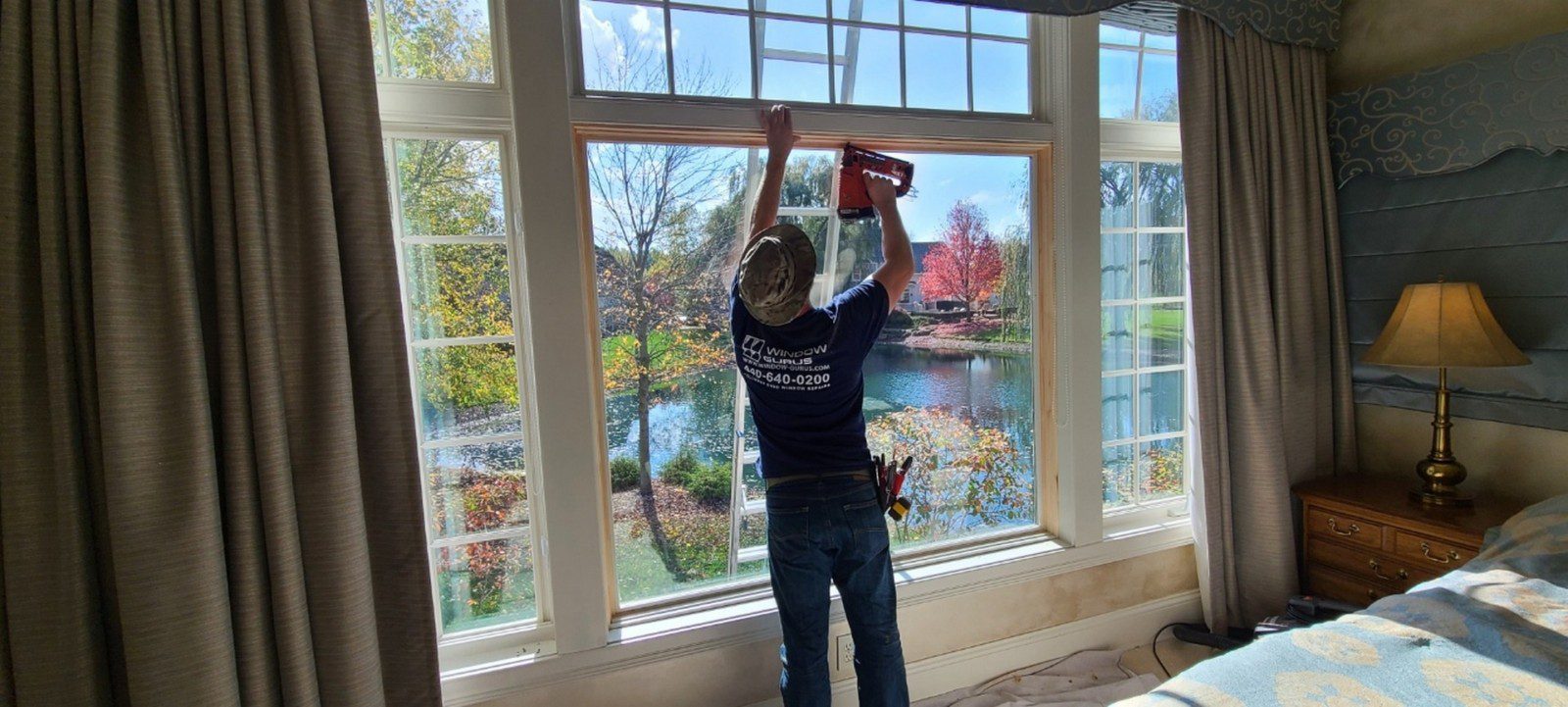





Indian Hill homeowners wrestle with window problems that drain wallets and comfort—drafts slipping through century-old frames in historic estates, fogged glass blocking views in newer builds, energy bills climbing 20% from air leaks. This guide cuts through the noise: when a quick fix saves thousands, when replacement pays off, and how to choose solutions that preserve your home’s character while slashing heating costs. You’ll learn to spot repair-or-replace signals, understand our process from assessment to warranty, and see why local expertise beats generic contractors for Indian Hill’s unique climate and architecture.

Fogged glass between panes screams “failed seal”—the invisible barrier that keeps moisture out has cracked, letting condensation cloud your view and leak heat. We’ve seen this kill energy efficiency in Indian Hill homes, hiking bills 15-25% as warm air escapes through compromised insulation. Our fix: reseal the unit or swap the glass panel, not the entire window. One client’s 2015 double-panes fogged after a storm; we replaced the glass in two hours, restoring clarity and cutting their next heating bill by $180.
Stuck sashes plague older homes here, where humidity swells wood and corrodes metal tracks. Forcing them risks cracking frames—a $500 mistake we’ve reversed for homeowners who tried DIY fixes. We lubricate balances, adjust tension springs, and plane swollen wood, making windows glide smoothly again. A Victorian owner on Camargo Road had sashes frozen for years; after our work, she opened them without strain, ending her reliance on AC in mild weather.
Cracked glass from hail or baseballs invites rain and thieves. Tempered replacements—stronger than standard panes—match original styles, whether you need wavy glass for a 1920s Tudor or low-E coating for a modern ranch. We measure precisely, order custom cuts, and install same-week, sealing edges with silicone that blocks drafts and muffles road noise from Indian Hill’s winding lanes.
Drafty frames betray worn weatherstripping, common in homes past 15 years. Old foam compresses, rubber hardens, and gaps appear—tiny openings that waste heat like a cracked door. We strip old seals, clean channels, and apply durable silicone or V-strip that flexes with temperature swings, cutting infiltration by 30%. One rancher on Shawnee Run slashed winter gas use 18% after we resealed eight windows, recouping our fee in one season.
Contact us now for a free estimate and take the first step toward repairing your glass!
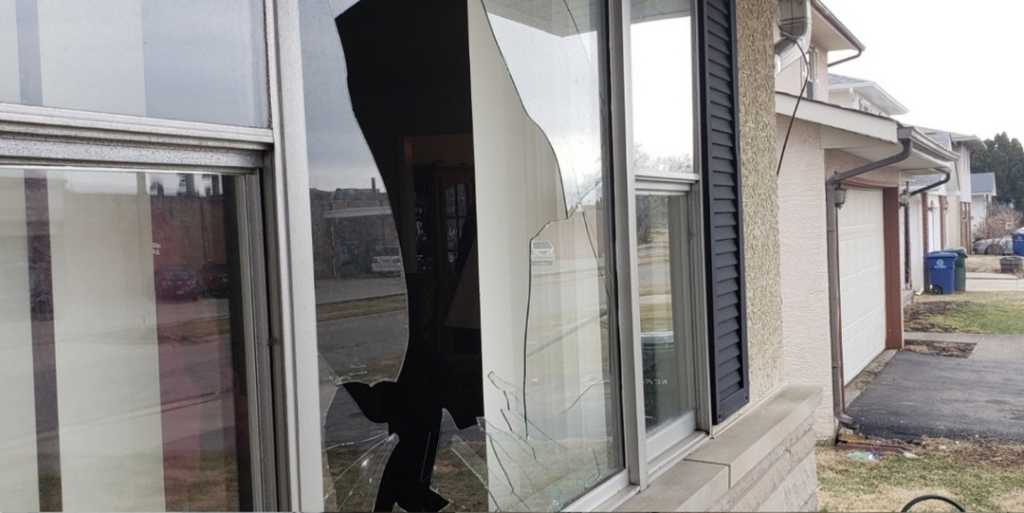
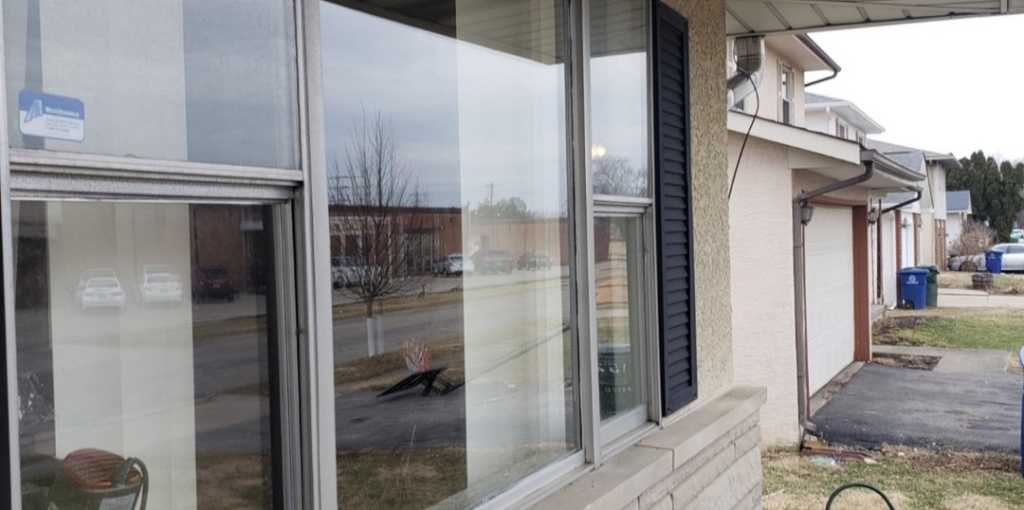
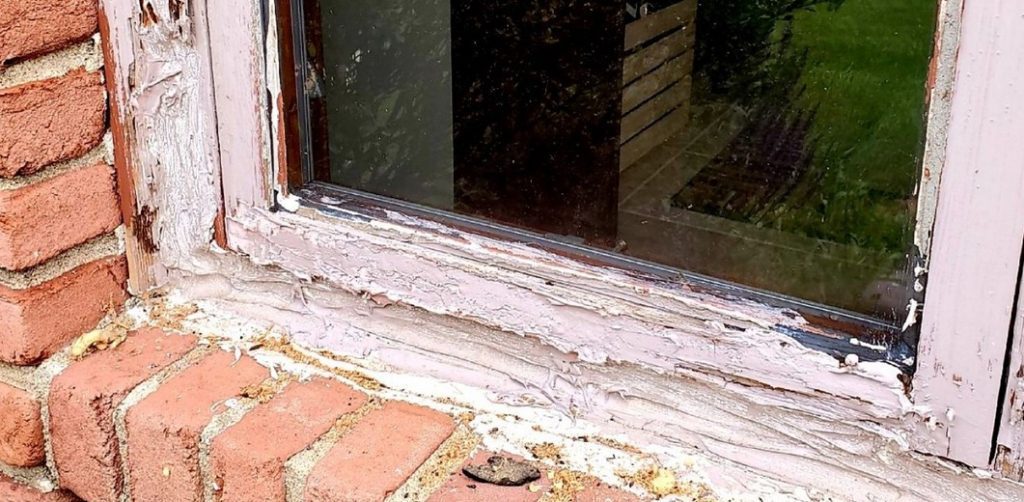
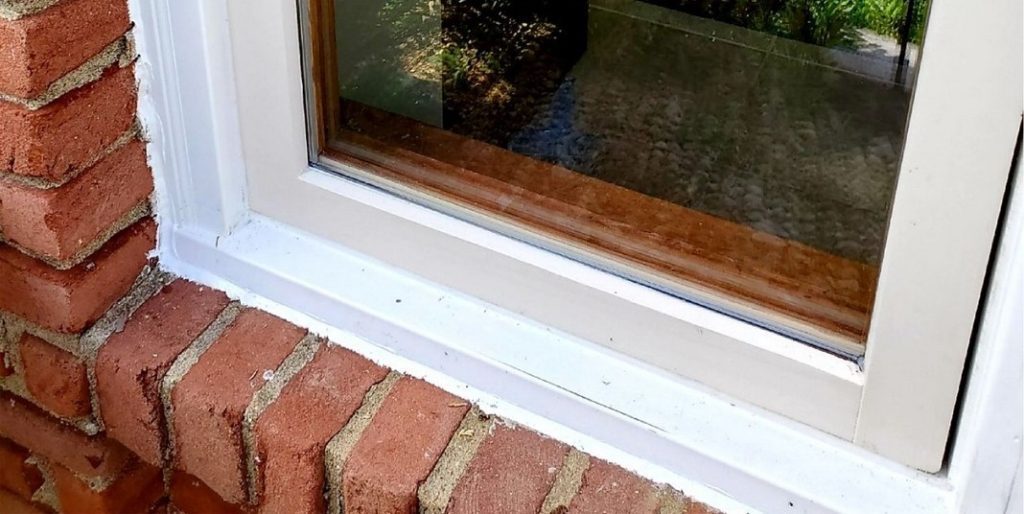
Replace when repairs can’t deliver—persistent drafts after resealing, frames rotted beyond salvage, single-pane glass driving utility bills through the roof. Indian Hill’s freeze-thaw cycles crack old putty and warp wood faster than milder climates; if you’re patching the same window twice in three years, replacement beats endless fixes. Signs include visible rot penetrating more than an inch deep, condensation inside double-panes that resealing won’t cure, or outdated styles clashing with a kitchen remodel. Modern double-pane units slash heat loss 50% versus 1970s single-panes, paying back investment through lower bills—one client’s gas costs dropped $420 annually after swapping ten windows.
Our process starts with a no-pressure assessment: we inspect frames for structural damage, measure openings to the eighth-inch, and discuss materials. Vinyl resists rot and needs zero painting, ideal for low-maintenance homeowners; wood-clad units preserve historic looks while offering modern efficiency. We source from suppliers who meet Ohio building codes, ensuring compliance with Indian Hill’s zoning rules—critical for homes in historic districts where permits demand period-appropriate designs.
Installation takes one to two days per window, depending on size and complications. Technicians remove old units carefully, protecting walls and trim from damage—we’ve salvaged original molding in century-old homes by cutting caulk precisely, not prying with crowbars. New windows get shimmed level within 1/16 inch, a tolerance that prevents binding and air leaks. We seal perimeters with expanding foam and exterior caulk rated for Ohio’s temperature swings, then test each window: opening, closing, locking, checking for air movement with a smoke pencil.


In-House Team
No temporary staff — only skilled professionals who’ve been with us for years.
Since 2008
Serving customers since 2008 with expertise you can trust.
Fully Insured
Your peace of mind is guaranteed — our work is fully covered.
Full Service
From quick fixes to full window replacements, we handle it all.
Guaranteed Quality
We stand by our work with a solid guarantee for your satisfaction.
Family Run Business
Built like a home — strong, reliable, and made to last.
Innovation
We use the latest technology for precise and efficient work.
Complete Window Replacement
Premium materials, expert installation, and personalized service for ultimate comfort.
Receive a personalized quote for your window service needs. Our team is ready to assist you with the best solutions at competitive prices
Please leave your contact details.
The manager will contact you shortly.

