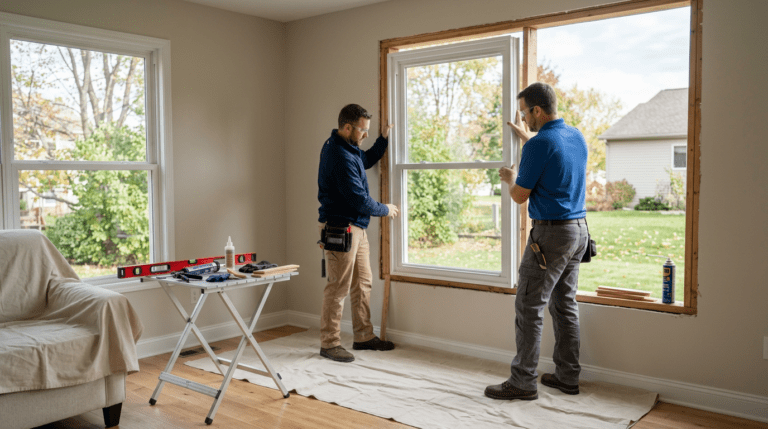
Over a decade of restoring windows in Columbus homes, from historic Victorians to modern builds, reveals one constant: parents express deep concern about children near open windows. As Aleksandr Kubai, window repair and restoration expert, close calls have turned into tragedies in too many instances. Childproofing windows creates barriers that allow fresh air while ensuring child safety. This guide draws from hands-on installations and client experiences to outline preventing child falls from windows and addressing related hazards.
Why Window Safety Matters for Kids: Understanding the Risks
Annually, more than 5,000 children under five end up in emergency rooms due to window-related falls, including around 20 fatalities, according to Centers for Disease Control and Prevention data.
Statistics on Child Falls from Windows in the US
In Ohio, facilities like Nationwide Children’s Hospital in Columbus record dozens of such cases each year. These figures emphasize how one oversight in home window safety tips for families alters lives permanently. Multi-story homes in areas like Cincinnati report elevated incidents, as children climb furniture drawn to outdoor views, amplifying risks of accidents.
Common Hazards: Why Window Screens Aren’t Enough
Window screens block insects, but they cannot support a child’s weight—most rip under 50 pounds of force. Tests during inspections confirm that a persistent climber breaks through easily. Screens foster a misleading sense of protection, prompting wider window openings. For effective childproofing windows, position screens solely as bug barriers, not as tools for fall prevention measures.
Fall Hazards from Open Windows
Windows above ground level become potential drop points during children’s play. A fall from two stories hits speeds exceeding 20 mph, resulting in injuries such as fractures or head trauma. One instance involved a double-hung window in a 1920s Columbus bungalow jammed open six inches, sufficient for a three-year-old to slip through. Preventing child falls from windows requires limiting openings to a maximum of four inches, incorporating child fall prevention measures like barriers and restrictors.
Strangulation and Cord Risks
Cords on blinds and shades hang as lures, entangling necks rapidly. Consumer Product Safety Commission records exceed 200 strangulation deaths since 1996 linked to window cord hazards. Retrofitting homes with low-hanging cords transforms routine play into danger. Cordless blinds for child safety remove these threats completely, avoiding strangulation hazards with blinds.
Other Common Window Hazards for Children
Falls aside, slamming sashes pinch fingers, and sharp edges on aged frames cause daily cuts. Restorations of pre-1978 windows often uncover lead paint on sills, posing poisoning dangers if children gnaw on them. Summer heat from glass burns exploring hands, while gaps in drafts contribute to illnesses. Window safety for kids encompasses these protections, including locks and ventilation codes to manage the home environment.
Windows as a Lifeline in Emergencies
Locked windows serve as fire escape routes—building codes demand operable exits free from permanent blocks. A smoke alarm simulation in an Ohio townhouse demonstrated how a window opening control device permitted four-inch ventilation yet released for full egress. Childproofing balances restriction with access, ensuring devices support emergency override window locks without confining occupants.

Essential Window Safety Devices for Children
Here are the key points to know about Essential Window Safety Devices for Children.
Window Guards: Types, Benefits, and Installation
Window Stops and Opening Control Devices (WOCD)
Window stops cap sash movement at four inches, and WOCD for home safety incorporate key-activated overrides. These prevent unintended expansions. A project in Cincinnati applied WOCD to sliding windows, halting a four-year-old’s attempt to climb. Adult-friendly operation pairs with child-resistant features. Position installations at the sill for double-hung windows, ensuring compliance with US window safety standards for children.
Locks and Secure Latches
Childproof window locks fasten frames closed or control movement. Pin styles secure sashes, and keyed versions manage cranks to resist interference. Standard latches yield to toddler strength, so tamper-resistant options prove essential. These enhance privacy, security, and safety in tandem.
Emergency Override Locks for Quick Escape
Such locks enable four-inch venting but disengage with a tool or key during fires. CPSC guidelines position overrides accessibly. A retrofit in Columbus allowed egress in under 10 seconds during a drill. Select designs with concealed mechanisms to block child manipulation, prioritizing both protection and rapid response.
Glass Protection and Tempered Options
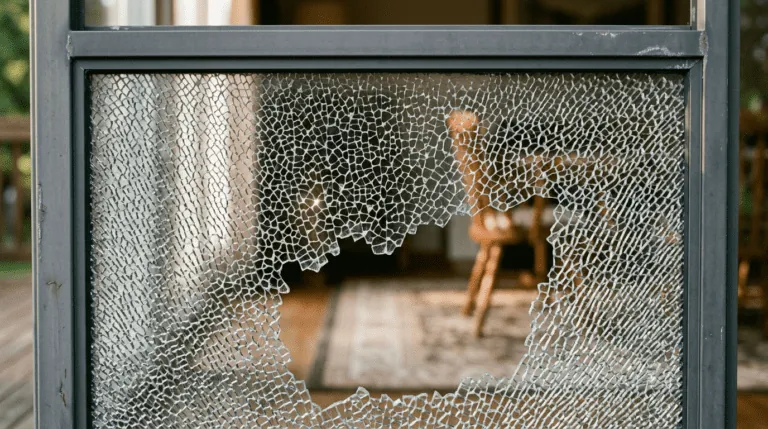
Tempered glass breaks into blunt granules, minimizing laceration dangers. Protective films bolster existing panes against shattering. For households with energetic children, films contain fragments from broken windows, averting further injuries and maintaining the home’s protective barriers.

Step-by-Step Guide: How to Childproof Your Windows
Begin by measuring window dimensions—guards align with interior tracks.
Installing Window Guards and WOCD (DIY Tips)
For DIY window childproofing ideas, source adjustable stops from hardware suppliers. Fasten using four screws per side into firm wood. Push firmly to verify stability; reinforcement follows any movement. Experts confirm code adherence, particularly in rental properties, where how to childproof windows integrates seamlessly.
Safety Measures for Double-Hung Windows
Apply WOCD to both sashes on double-hung units to constrain upward travel. Drill stops into side rails, calibrated for a four-inch limit. A Victorian restoration incorporated this configuration, retaining original appearance while enforcing safe boundaries—children could not exceed protective thresholds.
- Measure sash height and width precisely.
- Position stops at the desired four-inch mark.
- Secure with screws into studs for maximum hold.
- Test the mechanism by attempting to lift beyond the limit.
Protecting Sliding Windows and Doors
Vertical bars or track inserts on sliders curb travel. WOCD snaps into tracks tool-free. A patio door incident prompted addition of stops that supported ventilation without permitting full extension, enhancing overall child safety.
Safeguarding Casement and Awning Windows
Restrictor arms on crank casements cap swing at four inches. Awning windows incorporate inherent stops for minimal top openings. Post-installation, apply lubricant to cranks to avoid jams, a frequent repair need.
Keeping Furniture Away from Windows: Anchoring Best Practices
Proximity of furniture to windows encourages climbing—secure dressers to walls via L-brackets into studs. Maintain a 10-inch clearance from sills. Relocating a TV stand in a multi-story residence exposed a guard and diminished access points. Anti-tip kits support up to 200 pounds, effectively keeping furniture away from windows to reduce climbing risks.
Choosing and Installing Cordless Blinds to Avoid Strangulation
Opt for cordless cellular or roller shades that raise without strings. Accurate height measurements suit inside mounts. Brackets with clips simplify setup; absence of cords eradicates strangulation hazards with blinds. A post-incident switch brought immediate relief to one household.

US Window Safety Standards and Ohio Regulations
ASTM F2001 mandates 4,500 pounds of pull resistance for guards; CPSC enforces four-inch maximum gaps.
Key ASTM and CPSC Guidelines for Child Safety
A guide to window safety devices aligns with these for comprehensive fall prevention. Certified products avoid penalties, integrating safety, childproofing, and standards seamlessly.
Compliance Checklist for Multi-Story Homes
- Install guards on all windows above six feet from the ground.
- Equip operable windows with WOCD.
- Anchor furniture securely to prevent tipping.
- Test emergency releases annually for functionality.
For homes with two or more stories, examine every room systematically. Ohio building codes align with the International Residential Code, requiring these elements in new constructions and renovations.
Professional vs. DIY Installation Guidance
Simple stops lend themselves to DIY approaches, whereas structural fixes demand specialists. Verification against codes prevents failures under load. Free assessments identify concerns, ensuring installations meet ventilation codes and standards.
Best Window Guards and Locks for Kids: Recommendations
Here are the key points to know about Best Window Guards and Locks for Kids: Recommendations.
Top-Rated Products to Buy (Non-Affiliate Reviews)
- Evenflo Expandable Guards: Accommodates 26-37 inches, constructed from steel for solid retention—suitable for temporary setups like rentals, offering reliable barriers.
- Andersen WOCD Kit: Features keyed override, straightforward for double-hung applications; endures 10 years of use, supporting consistent protection.
- Safety 1st Cordless Shades: Blocks UV rays, operates with easy lifts—eliminates strangulation risks entirely.
Buy childproof window locks such as KidCo pin varieties for adaptable securing. Current 2025 models from retailers like Amazon or Home Depot carry fresh ASTM certifications, ensuring alignment with safety tips for windows in homes.
DIY Childproofing Ideas on a Budget
Wooden dowels cut to four inches serve as slider track stops. Tension rods function as interim guards for less than $20. Adhesive locks bypass drilling in leased spaces. These approaches provide initial safeguards; permanent upgrades follow for enduring measures.
- Identify low-cost materials like dowels and rods at local stores.
- Test each setup for four-inch restriction and stability.
- Combine with furniture anchoring for layered defense.

Educational and Family Strategies for Window Safety
Starting at age two, narrate “windows remain closed” through engaging tales.
Teaching Children Window Safety Rules
Simulate “no climbing” scenarios near sills. Window stickers serve as visual cues for children, embedding rules effectively in daily routines for families and parents.
Creating a Family Emergency Plan
Outline escape paths and conduct drills biannually. Designate adult responsibilities for override activation. Integration post-consultation boosted readiness in one Ohio household.
Age-Specific Advice for Childproofing
Full guards suit toddlers; WOCD pairs with oversight for school-aged children. Block all paths for infants. Adapt to stages—crawlers target lower levels, while older kids access heights, tailoring devices and supervision.
Maintenance and Inspection Checklist
Examine monthly: Pull on guards and verify stop firmness.
Regular Checks for Wear and Tear
Lubricate locks every three months. Address rust or loose hardware promptly by tightening. A overlooked WOCD contributed to a malfunction in one repair.
- Inspect screws and anchors for tightness.
- Clean tracks to prevent sticking.
- Replace any damaged components immediately.
Seasonal Window Safety Reviews
Spring evaluations follow winter exposure. Fall preparations anticipate storms. Yearly scans account for child growth and emerging hazards, maintaining the safe home environment.

Common Mistakes to Avoid in Window Childproofing
Basement windows and attic vents escape notice—children venture into all spaces.
Overlooking Hidden Risks
High vent screens appear secure yet fail weight tests. Comprehensive audits cover every level, incorporating risks like climbing access.
Improper Installation Pitfalls
Bypassing studs risks detachment; inadequate screw depth permits extraction. Excessive force cracks frames. Double measurements ensure guards fit without gaps, upholding standards and devices.
Additional Home Window Safety Tips for Families
Direct play from windows and deploy gates as supplements.
Preventing Falls and Other Hazards
Remove floor obstacles to curb slips toward edges. Home window safety tips for families extend to routines like constant supervision and clear zones, integrating measures for protection against falls, accidents, and strangulation.
- Position toys in central areas away from sills.
- Use non-slip mats near windows to enhance stability.
- Educate on hazards during family discussions.
Window Safety Week and Awareness Campaigns
Observe the third week of April with inspections—a CPSC initiative. Participate in Columbus-area events to heighten vigilance, promoting child safety through community efforts.

FAQs: Window Safety for Children
Conclusion: Take Action to Protect Your Kids Today
Childproofing windows fortifies homes while preserving their appeal. Years of hands-on work illustrate how WOCD, guards, and related tools avert sorrow. Evaluate windows promptly, select dependable installations, and engage family members. Windows sustain ventilation securely. Personalized guidance remains available for Columbus-area needs, fostering enduring comfort.

Ready to fix your windows? Get a free quote in 30 seconds.
Family-owned, licensed & insured. Free, no-obligation quotes.