 Reviewed by
When replacing or installing windows in small or functional spaces — like basements, bathrooms, or laundry rooms — awning and hopper windows are two of the most practical options available. Both are compact, easy to operate, and designed for enhanced airflow. But while they may look similar, they function very differently. Choosing the right one can improve ventilation, control moisture, and even protect your home from weather. This guide breaks down the key differences and use cases to help homeowners make the best decision for their space.
Key Takeaways
- Core difference: awning = top-hinged, opens outward (sheds rain). Hopper = bottom-hinged, tilts inward (saves outdoor space).
- Cost: hopper $150–$350 installed; awning $250–$450; clad-wood premium versions $400–$900. Operator quality matters more than frame for longevity.
- Best uses: hopper for basements, bathrooms, tight spaces. Awning for above counters, fixed-window companions, anywhere outward swing is fine.
- Both win on: compression weather seal (better than sliding/single-hung), security (hard to pry open from outside), ventilation control even in light rain (awning).
- Avoid hopper in: bedrooms (egress code), spaces with curtains/blinds against the window, areas with kids (pinch hazard), kitchens above counters (debris falls in).
What Are Awning Windows?
They’re often installed high on walls to preserve privacy while letting in light and air. For example, in a bathroom renovation in suburban Indianapolis, a contractor might install an awning window above the shower to allow ventilation without exposing the interior to the elements.
Awning windows are also commonly used in combination with fixed picture windows — placed above or below — to add airflow without sacrificing the view.
What Are Hopper Windows?
Because they open inward, they’re easy to clean from inside and fit well in narrow wall openings. Hopper windows are often used in utility rooms, lower-level bathrooms, and especially in finished basements where moisture control and air exchange are priorities.
For instance, in a Cleveland basement with tight window wells, a hopper window is often the most practical and code-compliant solution for light and ventilation.

Key Differences Between Awning and Hopper Windows
Awning vs. Hopper Windows: Comparison Table
| Feature | Awning Window | Hopper Window |
| Hinge Location | Top | Bottom |
| Opening Direction | Outward from the bottom | Inward from the top |
| Weather Protection | Can stay open in light rain | Must be closed during rain |
| Typical Placement | High walls, above showers, above other windows | Basements, bathrooms, laundry rooms |
| Ventilation Style | Upward airflow, good for steam/moisture | Direct airflow, strong air exchange |
| Space Consideration | Needs clearance outside | Needs clearance inside |
| Ease of Cleaning | Moderate — requires outdoor access | Easy — can be cleaned from inside |
| Common Locations | Bathrooms, kitchens, upper walls | Basements, garages, lower bathrooms |
Benefits of Each Window Type
- Can remain open in light rain without water entering
- Ideal for higher wall placements where casements aren’t practical
- Provide consistent ventilation in humid areas like bathrooms or kitchens
- Improve airflow in tight or stacked window configurations
Advantages of Hopper Windows
- Perfect for basements and ground-level applications
- Easy to open, close, and clean from indoors
- Great for areas with limited exterior clearance (like deep window wells)
- Provide strong airflow and ventilation in smaller rooms
Best Locations for Installation
- Bathrooms:
Awning windows work well above showers or tubs, providing airflow without compromising privacy or letting in rain. - Basements:
Hopper windows are typically the go-to solution for basement ventilation and egress (if sized appropriately). Their inward swing works well when exterior space is limited or obstructed. - Laundry Rooms & Utility Spaces:
Either window type may work, but hoppers are often chosen for their ease of use and in-wall flexibility. - Garage or Workshop Areas:
Hopper windows allow quick air exchange during projects or hot summer months.
Example: A homeowner in Chicago renovating a garden-level laundry room might choose a hopper window that’s easy to open for quick airflow. Meanwhile, a bathroom remodel in Minneapolis could benefit from a high-mounted awning window above the tile line to ensure ventilation during showers — even when it’s raining.
Installation and Maintenance
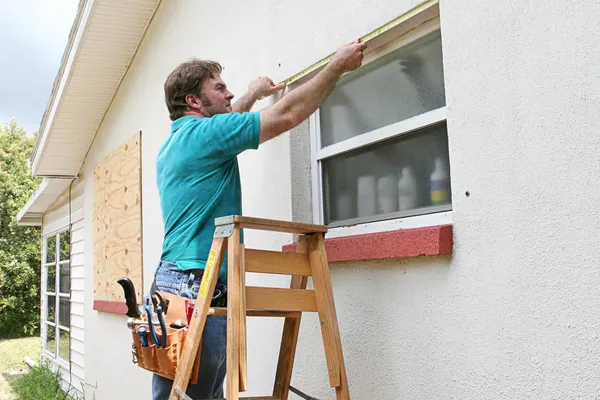
Maintenance tips:
- Check the hinges and locking mechanisms annually
- Ensure weather seals are intact, especially for basement applications
- Clean the tracks and frame seasonally to avoid sticking or mold buildup
- For awning windows on upper walls, cleaning may require a ladder unless tilt-in options are available
Cleaning: Hopper windows are easier to clean from inside since they open inward. Awning windows, while not difficult, may require exterior access or special cleaning tools.
Conclusion
Choosing between the two comes down to your home’s layout, room function, and how much exposure or clearance you have inside and out. With proper installation and basic maintenance, both window types can provide years of efficient performance and improved airflow.
FAQ
Quick answers to common reader questions, drawn directly from real search intents.
Hopper windows are usually better for basements because they fit in small spaces and open inward, making them easier to operate and clean from inside.
A hopper window is a single-sash window that hinges at the bottom and tilts inward at the top — opposite of an awning window, which hinges at the top and opens outward. Hoppers are typically smaller (often 24″×16″ or less) and used in basements, bathrooms, and other spaces where space-saving inward operation matters. The “hopper” name comes from grain-bin doors that opened the same way.
Hinge location and direction. Awning: hinged at top, swings outward — sheds rain when open, used at upper window positions. Hopper: hinged at bottom, tilts inward — sheds floor space inside but is great for basements and tight bathrooms where you can’t open outward. Both use compression seals, both are highly weather-tight, and both work well as ventilation companions to fixed picture windows.
Pros: excellent weather seal (compression-style), low cost ($150–$400 installed for standard sizes), good security (the inward-opening sash is hard to pry), perfect for basements where outward swing would hit obstacles. Cons: limited size (usually capped at 36″ wide), inward-opening eats interior space — can’t put curtains or blinds in front of the window, debris falls inside when opened, and bug screens go on the outside (harder to clean from inside).
Three best uses: (1) basements — the inward swing avoids hitting window-well steps; (2) bathrooms — small size + high placement gives ventilation without privacy loss; (3) basement-level emergency egress (with proper sizing per code). Avoid in: bedrooms (most building codes require larger egress windows), kitchens above counters (inward swing dumps debris on the counter), or anywhere children play (inward swing can pinch fingers).
“Reverse awning” is another name for a hopper window — terminology varies by manufacturer and region. The window operates by hinging at the bottom and tilting in at the top, the reverse of a standard awning. If a contractor or product spec says “reverse awning,” confirm whether they mean a hopper (bottom-hinged, inward) or just a top-hinged window installed inverted, which some catalogs use to describe a sash-pivot orientation in casements.
Standard sizes installed: vinyl awning (24″×24″) $250–$450, vinyl hopper (24″×16″) $150–$350. Wood or aluminum-clad versions run $400–$900. Custom sizes or premium hardware (concealed hinges, multipoint locks) add 30–50%. Operator handles vary by brand: cheap pin-and-cam handles fail in 5–10 years; premium folding-arm operators last 20+. Spec the operator quality even if the window itself is budget — that’s where most early failures happen.