 Reviewed by
When it comes to upgrading your home’s windows, the choices can feel overwhelming. One of the most popular and time-tested options is the double-hung window. Known for its classic style and versatile functionality, this window type remains a top choice for homeowners across the United States. Whether you’re building new or replacing aging frames, understanding double-hung windows can help you make the best decision for your comfort, budget, and home design. This guide will walk you through everything you need to know — from how they work to their pros, cons, and maintenance tips.
Key Takeaways
- What it is: two operable sashes (top + bottom) that slide vertically. 60% of US homes have them. Most common window style by far.
- Top + bottom ventilation: open both at once = natural convection (warm air exits top, cool enters bottom). Big advantage over single-hung.
- vs single-hung: single = only bottom moves, $300–$500. Double = both move, $400–$700. Double wins for cleaning (tilt-in) and ventilation flexibility.
- Cost ladder: vinyl $400–$700, wood $900–$1,500, clad-wood $1,200–$2,200, fiberglass $1,000–$1,800. 12-window home: $5K–$25K depending on tier.
- Modern tilt-in: both sashes tilt inward — wash both sides from inside. Saves significant time on upper floors of 2-story homes.
What Are Double-Hung Windows?
A double-hung window features two operable sashes (the glass panels) that slide vertically up and down within the frame. Unlike single-hung windows, both the upper and lower sashes can move, giving you far more flexibility when it comes to airflow and access. This feature allows warm air to exit through the top sash while cool air enters through the bottom — an ideal configuration for natural ventilation. It also makes them particularly useful in homes where ease of cleaning is a priority, such as multi-story houses. Most modern double-hung windows are equipped with tilt-in mechanisms, allowing you to clean both sides of the glass safely from inside the home.
Benefits of Double-Hung Windows
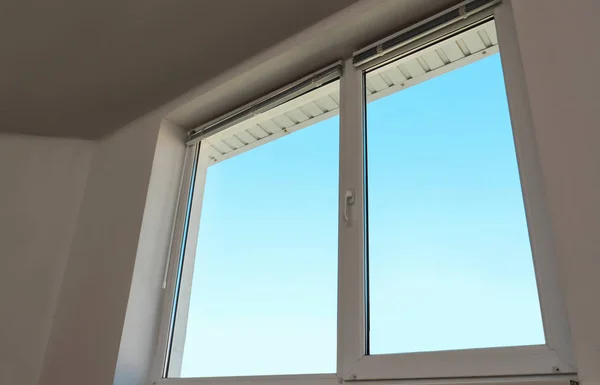
Double-hung windows offer a variety of advantages that make them a preferred option in both traditional and modern home designs. Before listing the key benefits, it’s helpful to understand why homeowners consistently return to this style of window despite the availability of newer alternatives.
1. Excellent Ventilation
You can open both sashes to promote natural airflow throughout the home. This is particularly useful in warmer months when you want to increase indoor circulation without relying on fans or air conditioners. By adjusting the top and bottom sashes simultaneously, you create a convection effect that promotes airflow and improves indoor air quality. This passive ventilation can contribute to reduced energy usage and a fresher indoor environment.
2. Easy Maintenance
Many models feature sashes that tilt inward, making it easy to clean both sides of the glass from inside — no ladder required. This is especially helpful in multi-story homes or apartment buildings where accessing exterior glass can be a challenge. Tilt-in sashes also eliminate the need for professional cleaners for routine maintenance. Regular cleaning extends the life of the glass and helps maintain clear, unobstructed views.
3. Classic Aesthetic
Double-hung windows have a timeless, symmetrical look that complements almost any architectural style, from Colonial to Craftsman. Their design can be easily customized with different grille patterns, hardware finishes, and materials. Whether you’re renovating a historic property or designing a contemporary space, double-hung windows can provide a cohesive and balanced appearance. They’re often chosen for their ability to blend seamlessly into existing structures while offering modern functionality.
4. Versatility
They come in a wide range of sizes, finishes, and grille styles. This makes them suitable for everything from compact bathrooms to large bay windows in living rooms. Double-hung windows can be made from various materials such as vinyl, wood, fiberglass, and aluminum, allowing homeowners to choose the best fit for their aesthetic and climate needs. Whether you’re restoring a historic property or modernizing a ranch home, there’s a design that fits.
5. Child Safety
Opening just the top sash keeps children safe while still allowing for ventilation. This is especially valuable in households with young kids or pets. The upper sash allows air to circulate while minimizing the risk of accidental falls or other safety hazards. Some models also feature secure locking mechanisms that limit the amount of window opening, adding another layer of protection.
Potential Drawbacks
1. Less Airtight Than Other Styles
Because double-hung windows rely on multiple moving components, they can develop air leaks over time if balances, tracks, or perimeter seals wear down—especially in older units. The good news is most comfort and efficiency losses are fixable without full replacement: restoring smooth operation with balance and mechanism tuning for double-hung sashes, sealing micro-gaps with professional-grade window caulking and leak sealing, and upgrading performance with modern double-pane glass options can dramatically cut drafts. If you’re unsure what’s worth repairing versus upgrading, a quick estimate using the window repair pricing calculator helps plan the most cost-effective path.
2. Slightly Higher Cost Than Single-Hung
Double-hung windows tend to be more expensive upfront due to their added functionality. The dual-operating mechanism and tilt-in features require more complex hardware and construction. However, the additional cost is often offset by the convenience, safety, and potential energy savings provided over the lifespan of the window. It’s worth considering your long-term needs and how the additional features may benefit your household.
3. Requires Periodic Maintenance
Tracks and locks may need occasional cleaning and lubrication to keep the window operating smoothly. Dirt, dust, and debris can accumulate over time, hindering performance. Regular maintenance ensures that the sashes glide easily and the locking mechanisms remain secure. Fortunately, most of these tasks are simple and require only basic tools and minimal effort.
Double-Hung vs. Single-Hung: What’s the Difference?
| Feature | Single-Hung | Double-Hung |
| Operable Sashes | One (lower only) | Two (upper and lower) |
| Ventilation Options | Limited | Superior ventilation control |
| Cleaning Convenience | Harder to clean upper sash | Easy with tilt-in feature |
| Cost | Slightly cheaper | Slightly more expensive |
Single-hung windows typically have a fixed upper sash and a movable lower sash, making them more budget-friendly and slightly more airtight. However, they fall short in terms of ventilation and ease of cleaning — especially for upper-story windows. Homeowners often choose double-hung windows for greater convenience, particularly in multi-story homes where accessing the exterior of the window is not practical.
Best Places to Install Double-Hung Windows
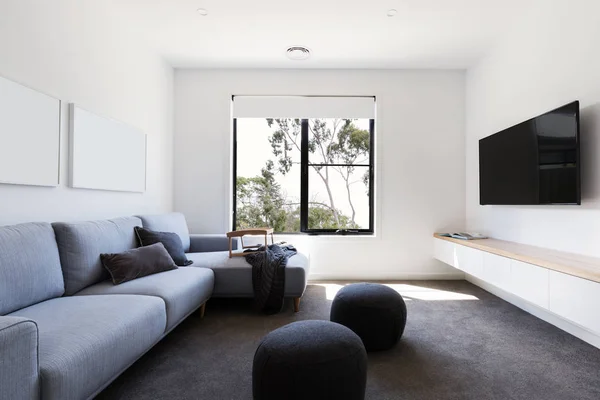
Double-hung windows are versatile enough to fit in almost any room, but some areas of the home particularly benefit from their features. Their balance of ventilation, safety, and easy maintenance makes them a smart choice in both private and common spaces.
- Bedrooms – These windows offer excellent airflow and child safety features, making them ideal for sleeping areas.
- Living Rooms – Their symmetrical design brings balance and brightness to central living spaces.
- Bathrooms – They allow steam to escape while preserving privacy when only the top sash is opened.
- Kitchens – Tilt-in features make them easy to clean in hard-to-reach spots above sinks or counters.
In Columbus, Ohio, many homeowners opt for double-hung windows in upstairs rooms where cleaning exterior glass would otherwise require a ladder. The added convenience and safety of being able to clean windows from the inside is a major benefit in cold-weather climates.
Maintenance and Care Tips
- Clean tracks seasonally to remove dirt and dust, which can obstruct smooth movement.
- Lubricate hardware at least once a year to maintain ease of use and reduce wear.
- Check weather stripping annually for signs of damage or compression, and replace as needed.
- Inspect locks and latches for secure closing, particularly before winter and summer seasons.
With proper care and occasional inspection, a high-quality double-hung window can last 20–30 years or more without major issues. This makes them a long-term and cost-effective option for many homeowners.
Conclusion: Are Double-Hung Windows Right for You?
Whether you’re replacing drafty panes or upgrading for curb appeal, double-hung windows are a smart, flexible choice. Consider working with a reputable installer to evaluate the best options for your home’s style and climate.
FAQ: Common Questions About Double-Hung Windows
Quick answers to common reader questions, drawn directly from real search intents.
Yes. Many modern models come with energy-saving features like Low-E coatings, argon gas between panes, and insulated frames. These enhancements help minimize heat transfer and can lead to lower energy bills year-round.
A double-hung window is the classic vertical-sliding window with two operable sashes — both the top and bottom panels move up and down independently within the frame. This dual operation lets you ventilate from top, bottom, or both simultaneously (creating natural convection — warm air exits the top while cool air enters at the bottom). Most modern double-hung windows also tilt inward for cleaning. By far the most common window style in US homes, found in roughly 60% of residences.
Two sashes glide vertically in side channels, held in position by spring-loaded balance mechanisms (modern) or counterweights connected by sash cords through pulleys (pre-1950s windows). To open: unlock the sash lock at the meeting rail, push the lower sash up or pull the upper sash down. Modern tilt-in versions: release the tilt latches at the top of the lower sash and pull it inward for cleaning both sides from inside the home. Springs balance the sash weight so it stays open at any height.
Double-hung windows are vertically-sliding windows with two operable sashes (top and bottom). The “double-hung” name distinguishes them from single-hung windows, where only the bottom sash moves and the top is fixed. Functionally identical from the outside; the difference matters for ventilation flexibility and cleaning. Double-hung is the traditional US window style — used in colonial, craftsman, Victorian, and modern construction. Single-hung is cheaper but loses the top-ventilation feature that makes double-hung versatile.
Single-hung: only the lower sash moves; top sash is fixed. Cheaper ($300–$500/window installed). Double-hung: both sashes move independently. More expensive ($400–$700/window) but more versatile. Energy efficiency: nearly identical when both are properly built. The choice mostly comes down to: cleaning convenience (double-hung tilt-in cleaning is easier on upper floors), top ventilation (double-hung lets warm air escape through the top — great for bathrooms and kitchens), and aesthetic preference (visually identical from outside, both look traditional).
Vinyl: $400–$700/window installed for standard 36″×60″ sizes. Wood: $900–$1,500/window. Clad-wood (Andersen, Marvin, Pella): $1,200–$2,200. Premium fiberglass: $1,000–$1,800. Custom sizes or premium hardware (concealed locks, multi-point closures) add 30–50%. For typical 12-window home: $5,000–$25,000 depending on material tier. Add 15–25% labor for full-frame replacement (vs replacement insert that uses existing frame).