
A storm door is an indispensable interior attribute that provides an additional view of the adjacent territory, as well as improves thermal insulation in the room and guarantees an influx of light. Through it is convenient to watch children playing in the garden, the arrival of deliveries or simply to observe what is going on. But over time, they may no longer close properly. Below are the main causes of problems and recommendations for its elimination.
Key Takeaways
- Top 3 causes when a storm door won’t close: worn closer (#1, easy adjust), sagging hinges (loose top screws), latch misalignment — all fixable in under 30 min.
- Sagging fix: golf tees + wood glue in stripped holes, then 2½–3″ screws into framing. Material cost under $5.
- Closer adjustment: 1/4 turn at a time on the end-cap screw — clockwise slows, counterclockwise speeds. New closer $20–$40 if dead.
- Latch issues: shift strike plate 1/8″ or replace latch assembly ($15–$30) if spring is gone.
- Prevention: install the closer’s safety chain — without it, a single gust can rip hinges loose. Replace weather-stripping every 3–5 years.
Causes of storm door malfunctions
- Wear and damage: daily use of storm doors naturally leads to failure of the opening/closing mechanisms. Often the problem lies in loose or damaged components such as hinges, closers or handles. Constant opening and closing of the door causes wear and tear on seals and other parts.
- Weather conditions: constant exposure to wind, rain and snow can over time impair the correct operation of the door. Moisture provokes corrosion of metal parts, and sudden temperature changes lead to deformation of the door frame and sash.
- Deformation of the house structure: over time, the house can settle, causing the shape and position of the door frame to change. Moisture can also cause the wooden parts of the door and frame to swell, making it difficult to close.
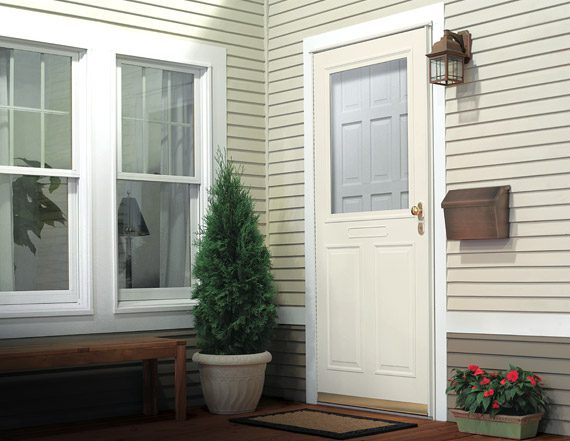
Ways to fix storm door closing problems
- Adjust or replace the door closer: the closer is an important part of the storm door, ensuring a smooth and secure closing action. Check for oil leaks or other signs of damage. If the closer is not working properly, it can be adjusted with screws or replaced with a new one. In case the door needs a full upgrade, consider replacement windows columbus for better insulation and functionality.
- Inspection and fixing of the door frame: check that the geometry of the door frame has not changed. Use a level to check verticality and horizontality. If the frame is deformed, it can be reinforced with additional screws or metal brackets.
- Check and tighten the hinges: loose hinges can cause the door to close incorrectly. Tighten all hinge screws, if necessary replace worn or damaged screws. If the hinges are badly worn, they can be replaced with new ones.
- Cleaning and lubricating the seals: the door seals can become dirty or worn, making it difficult to close the door. Clean dirt and dust from the seals and replace them with new ones if necessary. Apply silicone grease to improve their performance.
- Replacing or adjusting the latch: Check that the latch fits properly into its seat on the frame. If necessary, adjust the latch or replace it with a new one.
- Checking the door geometry: if the door is warped, it can be levelled using special tools. In some cases it may be necessary to replace the door with a new one, especially if it is badly damaged or worn.
Tips to prevent future problems with your door
- Regular maintenance: periodically check the condition of the door hinges, closers, and seals. Clean and lubricate moving parts of the door. Additionally, pay attention to your windows and sills. If your wooden window sills have started to deteriorate, it might be time for a wooden window sill replacement to avoid further damage.
- Weather protection: use protective coatings and paints to prevent corrosion and deformation of the door and its structural components.
- Professional inspection: invite the occasional professional to inspect and preventive maintenance of the door.
By following these recommendations, you will be able to keep your door in working order and be happy with its serviceability. And if you have any problems, Window Gurus craftsmen will be happy to help at your convenience! We are waiting for your calls.
Frequently Asked Questions
Quick answers to common reader questions, drawn directly from real search intents.
Three causes account for ~80% of failures: a worn or misadjusted closer (the cylinder at the top that controls speed), out-of-square hinges that catch on the frame, or weather-stripping debris blocking the latch. Test each in order — pull the closer pin and see if the door swings free, then check hinges, then strip. Most fixes take 10–20 minutes with a screwdriver.
Sagging is almost always loose top hinge screws pulling out of soft wood. Remove the screws, fill the holes with golf tees and wood glue (let dry 30 min), then reinstall using 2½–3″ screws that bite into the framing behind the trim. For metal storm doors, swap stripped screws for #10 sheet-metal screws. Average cost: under $5 in materials.
The strike plate (the metal piece on the frame where the latch enters) is usually misaligned. Loosen its two screws, shift it 1/8″ toward the latch, and tighten. If the door is too far from the strike, file the strike opening larger or shim the hinge side with cardboard. A latch that catches but won’t hold means the latch spring is dead — replace the latch assembly ($15–$30).
Two settings control the closer: speed (how fast it swings) and latch force (the final inch). Find the screw at the cylinder’s end — turning clockwise slows the door, counterclockwise speeds it up. Adjust in 1/4-turn increments and test. If the door slams or doesn’t latch, swap the closer pin position on the bracket — top hole = stronger close, bottom = gentler. New closer: $20–$40.
In order of frequency: closer failure (won’t close or slams), sagging from loose hinge screws, latch misalignment, weather-stripping wear, and frame damage from wind catching the door. Most issues stem from one neglected detail — the closer’s safety chain, which limits how far the door can swing in a gust. Without it, a single windy day can bend the closer or rip the hinges loose.
Leaks come from three places: the door bottom sweep (rubber strip), the perimeter weather-stripping, and the corner gaskets. Run your hand around the closed door on a windy day to find drafts. Replace the bottom sweep ($10–$15) with a screwdriver — it slides into a track. Compress weather-stripping showing flat spots or tears. For corner gaps, apply clear silicone caulk on the frame side, not the door.

Ready to fix your windows? Get a free quote in 30 seconds.
Family-owned, licensed & insured. Free, no-obligation quotes.