Energy-efficient windows are one of the few home upgrades you feel every day, from a warmer room by the glass in January to a cooler one in July. The catch is that the label “energy efficient” gets stamped on almost everything, and the real differences hide in the glass package, the frame, and a couple of numbers most shoppers never read. Choosing well is less about chasing the highest spec and more about matching the window to your climate, your wall, and your budget.
This guide walks through what actually makes a window efficient, the ratings that matter, how glass and frames compare, which styles seal best, and the Ohio-specific calls that decide whether you save money or waste it. If you are weighing a whole-house project, our team handles new window and door installation across the Columbus and Cincinnati area and sees firsthand which choices pay off.
Quick answer: To choose energy-efficient windows, match them to your climate using the NFRC label: a low U-factor for cold winters and a controlled solar heat gain coefficient for summer sun. For most Ohio homes, double-pane low-E glass with argon, an insulating frame, and a tight-sealing style is the value sweet spot, installed by someone who air-seals the opening.
What Actually Makes a Window Energy Efficient
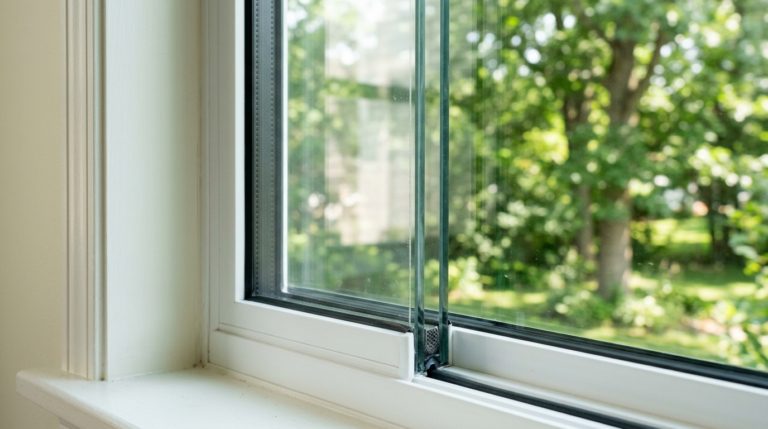
A window keeps your home comfortable by slowing the flow of heat in both directions, and several parts work together to do it. The glass package is the heart of the system: two or three panes of glass with sealed air or gas between them, treated with an invisible coating that reflects heat. The frame holds it all and either blocks or conducts heat depending on what it is made of. The spacer at the edge of the glass and the seals around the sash finish the job.
No single feature makes a window efficient. A great pane of glass set in a heat-conducting frame loses much of its advantage, and a well-built frame around cheap single glazing still leaks heat. That is why the ratings you will see in a minute measure the whole unit, not just the glass in the middle.
The components that drive efficiency are worth knowing by name before you shop, because a salesperson will use them:
- Glazing layers: the number of panes and the sealed air or gas spaces between them.
- Low-E coating: a microscopically thin metallic layer that reflects heat back toward its source.
- Gas fill: argon or krypton between the panes, denser than air, to slow heat transfer.
- Warm-edge spacer: the strip around the glass edge that limits heat loss and condensation there.
- Frame and seals: the material and weatherstripping that stop drafts around the moving parts.
How to Choose Energy-Efficient Windows, Step by Step
The order of these steps matters, because the right glass for a home in Minnesota is the wrong glass for one in Arizona, and Ohio sits between the two. Start with where you live, then let that decision guide everything from the coating to the frame. Working in this sequence keeps you from over-buying features that do nothing for your climate.
None of this requires you to become an engineer. It requires reading one label correctly and asking a few pointed questions before you sign anything.
- Check your climate zone first. Find your ENERGY STAR region; Ohio is a mixed climate that needs both winter and summer performance.
- Read the NFRC label, not the marketing. Compare whole-window U-factor and solar heat gain, plus air leakage and condensation resistance.
- Choose the right glass package. Double-pane low-E with argon suits most Ohio homes; reserve triple-pane for the coldest walls.
- Pick a frame that insulates. Favor multi-chamber vinyl, fiberglass, wood, or composite over bare aluminum.
- Match the style to the room. Fixed and casement seal tightest; use operable styles where you need air or egress.
- Weigh repair against replacement. One failed unit may be resealed rather than the whole house replaced.
- Hire an installer who air-seals the opening. The install decides whether the rating ever shows up in your bill.
Start With the Ratings That Matter
Every certified window carries a label from the National Fenestration Rating Council, and learning to read it is the single most useful skill in this whole process. The two numbers that decide most of the comfort are the U-factor and the solar heat gain coefficient. U-factor measures how fast the window loses heat: the lower the number, the better it insulates, which matters most through an Ohio winter. The solar heat gain coefficient measures how much of the sun’s heat the glass lets in, on a scale from zero to one; a lower number keeps a room cooler in summer.
Two more figures round out the picture. Air leakage tells you how drafty the unit is around its moving parts, and condensation resistance predicts how well it resists the interior fogging and frost that lead to mold and rot in humid Ohio summers paired with cold winters. The ENERGY STAR mark bundles these into a simple regional pass or fail, but it only certifies the glass and frame, so confirm the window is rated for the Northern or North-Central zone, not a southern one.
Because the numbers reward different things in different climates, it helps to understand the trade-offs before you compare brands. Our deeper guide to window energy ratings breaks down each metric and how to read the full NFRC label line by line.
Glass Packages: Double-Pane vs Triple-Pane
The glass package is where most of your money buys most of your efficiency, so it deserves real thought. A double-pane window seals two panes around one space of argon gas, with a low-E coating tuned to your climate. For the vast majority of homes in central and southern Ohio, this is the practical sweet spot: a strong jump in comfort over old single-pane glass without the cost and weight of going further.
Triple-pane adds a third pane and a second gas space, which lowers the U-factor again and quiets outside noise. It earns its keep in the far north, on a wind-exposed wall, or in a room that never feels warm enough. In a mixed Ohio climate, though, the gain over a good double-pane unit is smaller than the price difference suggests, and the extra weight asks more of the hardware over time. Buying triple-pane everywhere is the most common way homeowners overspend on this project.
The low-E coating does the quiet heavy lifting in both. A coating tuned for our climate reflects indoor heat back inside during winter while still blocking a good share of summer solar gain. When a sealed unit fails and the gas escapes, you lose that coating’s full benefit and the glass fogs between the panes, which is a repair question we will come back to.
Frame Materials and How They Compare
The frame is half the window, and it can quietly drag down an otherwise excellent glass package. The reason is simple: some materials conduct heat far more readily than others, so a thin, hollow frame becomes a highway for cold no matter how good the glass is. This is exactly why the whole-window U-factor on the label matters more than any center-of-glass number a brochure quotes.
Each material trades cost, insulation, and upkeep differently, and there is no single winner for every home. What follows is how they stack up for an Ohio climate where freeze-thaw cycles and humidity test every joint:
- Vinyl: affordable and low-maintenance; multi-chamber frames insulate well and resist Ohio moisture, the popular default for replacements.
- Fiberglass: strong and stable, expands and contracts at nearly the same rate as glass, so seals stay tight through freeze-thaw swings.
- Wood: excellent natural insulator with a classic look, but it needs upkeep to survive humidity and rain, often clad in aluminum or vinyl outside.
- Composite: blends wood fiber and polymer for wood-like insulation with less maintenance.
- Aluminum: durable but a poor insulator on its own; only worth considering with a thermal break that interrupts the heat path.
Window Styles Ranked by Efficiency
How a window opens changes how well it seals, and that affects your bill year after year. The most efficient window is one that does not open at all, because a fixed unit has no moving joints for air to slip through. Among windows that do open, the style decides how tightly the sash pulls against the frame when you lock it, which is the difference between a draft and a seal.
You will not put fixed glass everywhere, since rooms need ventilation and bedrooms need a code-sized escape opening, so the goal is to spend your tightest-sealing styles where they count and accept small trade-offs elsewhere. For a fuller breakdown of how each style operates, a casement window and a double-hung window sit at opposite ends of this range. Here is the rough order from tightest to leakiest:
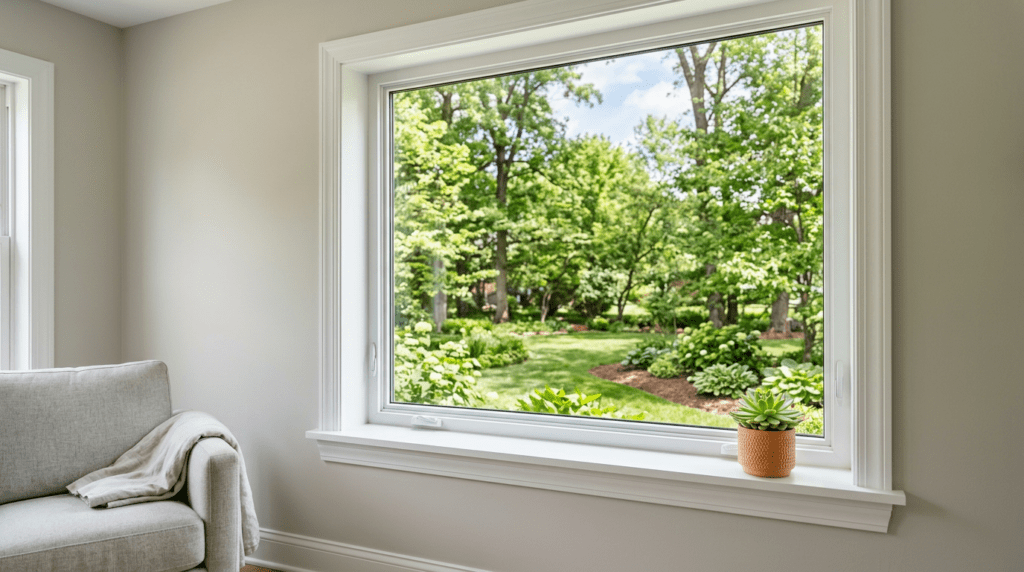
- Picture and fixed windows: no operable parts, so the lowest air leakage of any style.
- Casement and awning: the sash cranks shut and presses into the frame, sealing tighter as the wind pushes on it.
- Double-hung and single-hung: convenient and classic, but two sliding sashes leave more joints to weatherstrip.
- Sliding (gliding) windows: easy to operate, though the rolling sash is typically the hardest to seal completely.
Matching Windows to Ohio's Mixed Climate
Most buying advice tells you to chase a low U-factor for cold climates or a low solar heat gain coefficient for hot ones. Ohio refuses to be that simple. Columbus and Cincinnati sit in a mixed climate with hard winters and humid, sun-heavy summers, so the right window has to do both jobs: hold heat in from December through March, then refuse the worst of the July afternoon sun. Optimizing for only one number leaves you uncomfortable for half the year.
The practical move is to choose a balanced low-E glass with a solid U-factor and a moderate solar heat gain coefficient, then adjust by orientation. West- and south-facing rooms take the brunt of summer heat, so a slightly lower solar heat gain coefficient pays off there. North-facing windows get little direct sun, so prioritize the lowest U-factor to fight winter heat loss. Condensation resistance also deserves a look here, because our swing between humid and freezing air is exactly what fogs and frosts a weaker window from the inside.
On replacements around Columbus, the windows that disappoint a year later are rarely the cheap-glass ones. They are good glass set into an opening that was never properly air-sealed, where the first hard freeze finds every gap the rating never measured.
Why Installation Decides Real-World Efficiency
A window’s rating is measured in a lab under ideal conditions, with the unit sealed perfectly into a test frame. Your house is not a lab. The number on the label only describes the window itself, never the inch of gap between the window and the rough opening, and that gap is where most wasted energy actually escapes. A triple-pane window stuffed loosely into a crooked opening will lose to a well-installed double-pane every time.
Good installation means the opening is checked for square, the unit is shimmed level and plumb so it operates and seals correctly, and the gap is insulated and air-sealed all the way around. In Ohio that air seal is not optional, because freeze-thaw cycles pry at any weak point and winter wind drives cold straight through an unsealed gap. Low-expansion foam and proper flashing keep both air and meltwater out of the wall.
This is also why the cheapest install quote often costs the most over time. Skipped flashing, over-expanded foam that bows the frame, or missing weatherstripping all quietly cancel the efficiency you paid for. If you want to understand the parts of the opening that make or break a job, our overview of professional window installation covers what a correct fit looks like.
Repair or Replace? When New Windows Pay Off
New windows are not always the answer, and a good contractor will tell you when a repair makes more sense. The clearest sign you have outgrown repair is single-pane glass throughout the house, frames that are rotted or racked out of square, or drafts you can feel from across the room. When the structure itself has failed, replacement is the efficient move.
But a single foggy window is a different story. Fogging between the panes means the seal failed and the argon escaped, which costs you the glass package’s efficiency, yet the frame and sash are often perfectly sound. In many cases the insulated glass unit can be replaced on its own, restoring the seal for far less disruption than a full window swap. Our insulated glass replacement service exists for exactly this situation.
When you do replace, look into current federal energy-efficiency tax credits and any local utility rebates for ENERGY STAR windows, since they can offset part of a qualifying project. The programs and their limits change, so confirm what is active in the year you buy rather than relying on an older figure. Efficiency upgrades also tend to return a healthy share of their cost at resale, which softens the math further.
Not Sure Which Windows Fit Your Home?
The right energy-efficient window depends on your climate zone, which walls face the sun, the age of your home, and how each room is used, and there is no honest one-size answer. A short on-site look settles it faster than any spec sheet.
Book a free, no-pressure window consultation with our Columbus and Cincinnati team. We will assess your openings, recommend the glass and frame that fit your home and budget, and tell you straight when a repair beats a full replacement.
FAQ: Choosing Energy-Efficient Windows

Ready to fix your windows? Get a free quote in 30 seconds.
Family-owned, licensed & insured. Free, no-obligation quotes.