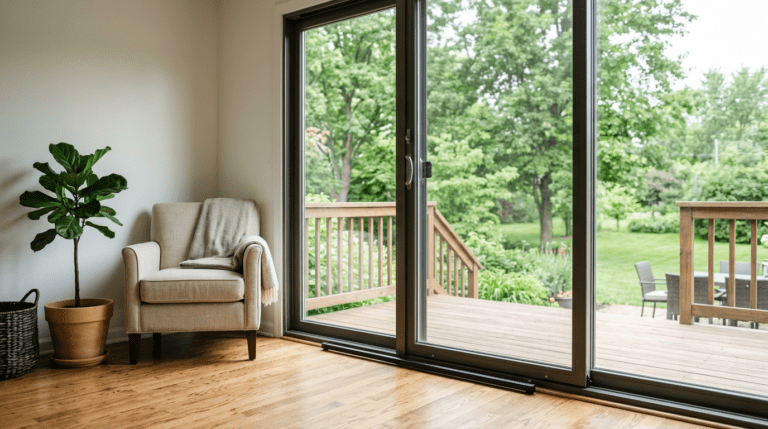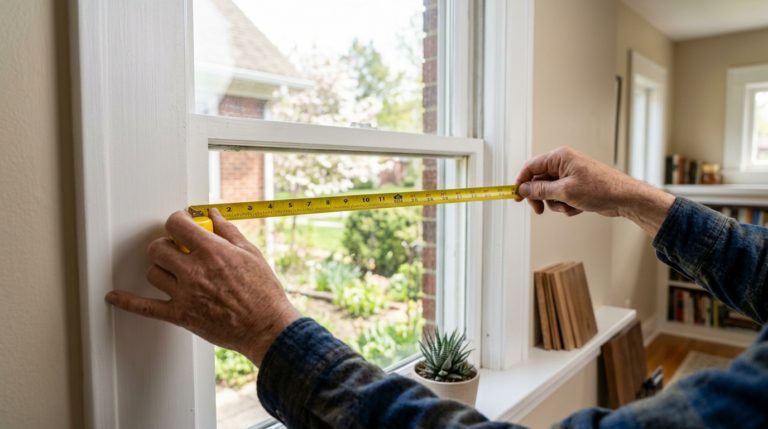
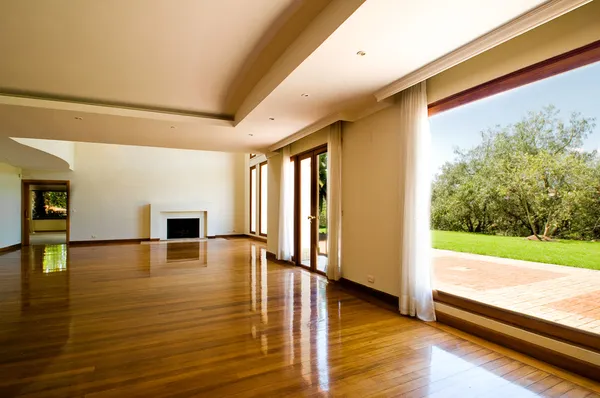
Minimalist design champions simplicity, clean aesthetics, and an open ambiance. Frame-free glass walls align beautifully with this approach, removing unnecessary bulk and maximizing transparency. They create an almost invisible boundary between interior and exterior, seamlessly blending a home with its surroundings.
But are they just a stylish trend, or do they come with practical drawbacks? While these unframed glass installations offer breathtaking visuals and unparalleled brightness, they also introduce challenges—such as insulation, upkeep, and security. This guide will break down the pros and cons so you can decide if they’re the right choice for your home.
Key Takeaways
- What they are: edge-clamped glass with no visible frame — the glass sits in a slim channel hidden inside the wall.
- Cost: $80–$150/sq ft installed (2–3× standard framed); $1,920–$3,600 for a typical 4×6 ft picture frameless.
- Energy: properly specified IGU + thermal-break channel hits U-factor 0.30–0.35, on par with quality framed.
- Installation: requires structural opening prep ($500–$1,500 retrofit on older Ohio homes); modern wood-frame construction is plug-and-play.
- Security: 19 mm laminated IGU is harder to break than standard double-pane; add perimeter security clips for ground-floor.
Why Unframed Glass Is Transforming Modern Architecture
Picture a living space where floor-to-ceiling crystal-clear panes erase the line between inside and out. The impact isn’t just visual—it’s emotional. Spaces feel more expansive, welcoming, and immersive. Without visible borders cutting through the view, contemporary residences gain a futuristic, high-end feel that radiates sophistication. To turn this vision into reality, working with trusted window installers near me can ensure proper installation that balances aesthetics with performance.
The Advantages of Frame-Free Glass in Modern Architecture:
- Uninterrupted flow – With no visible edges, the aesthetic is sleek and streamlined.
- Stronger indoor-outdoor connection – Nature feels like an extension of your space.
- Expands the sense of space – No physical dividers means the eye perceives openness.
The Aesthetic Appeal of Seamless Glass in Modern Homes
Unlike traditional framed windows that segment your view with chunky dividers, frameless windows allow for a panoramic, almost cinematic experience. Whether you’re overlooking the ocean, a mountain range, or just your backyard garden, you get a full, immersive visual that enhances the beauty of your surroundings.
Why Homeowners Love the Aesthetic of Frameless Windows:
- Clean, modern lines – Perfect for contemporary and minimalist designs.
- Unobstructed views – Say goodbye to chunky frames breaking up your scenery.
- Timeless appeal – Unlike some design trends, seamless glass will always look elegant.
How Frameless Windows Maximize Natural Light and Space

Natural light isn’t just about aesthetics—it boosts mood, improves productivity, and even enhances sleep quality. Plus, brighter rooms feel larger, making even compact homes appear more spacious and inviting. If you’re considering the cost of such an upgrade, a quick visit to a double pane window cost calculator can help you understand potential investment and energy savings.
Key Benefits of Maximizing Natural Light with Frameless Windows:
- Energy savings – More daylight means less reliance on lamps and overhead lighting.
- Health benefits – Exposure to natural light can improve mental well-being and regulate sleep cycles.
- Expands perceived space – Bright rooms feel bigger, airier, and more open.
Is Frame-Free Glass Energy-Efficient or a Heat Trap?
Double and triple glazing, along with gas-filled panes, enhance insulation and reduce energy loss. However, in extreme climates, additional measures—such as UV-protective coatings or thermal blinds—may be needed to maintain comfortable indoor temperatures.
Weighing the Thermal Efficiency:
- Pros: Improved insulation technology, maximized solar gain in colder months, reduced lighting costs.
- Cons: Requires high-performance coatings for temperature control, potential for heat retention in summer.
Are Frameless Glass Panels Durable and Secure?
However, the absence of traditional frames means they rely on proper sealing and strong adhesives for support. Poor installation can lead to air leaks or reduced durability over time, making professional fitting essential.
Understanding Strength & Longevity:
- Tempered glass – Designed to resist strong forces and break safely if damaged.
- Laminated panels – Holds together even when cracked, adding an extra layer of security.
- Weather-sealed edges – Essential for preventing air drafts and leaks.
Balancing Transparency and Privacy
Ways to Maintain Discretion Without Losing Style:
- Tinted coatings – Reduces outside visibility without darkening interiors.
- Smart glass – Switches from clear to opaque at the touch of a button.
- Strategic placement – Position glass walls where seclusion isn’t an issue.
Weather Resistance: Can These Panels Handle Harsh Climates?

Modern frameless systems use laminated safety glass and structural adhesives that ensure resilience against external forces. However, in hurricane-prone areas, additional reinforcements might be necessary.
Weather-Proofing Strategies:
- Laminated or tempered glass – Withstands wind pressure and impact.
- Sealed edges – Prevents leaks and drafts in stormy conditions.
- UV protection – Reduces furniture fading and glare.
Cleaning & Upkeep: The Challenges of Spotless Glass
Tips for Easier Upkeep:
- Hydrophobic coatings – Repel water and reduce streaks.
- Automated window cleaners – A hands-free solution for spotless glass.
- Microfiber cloths & vinegar – Streak-free and eco-friendly cleaning.
Customization Options: Can You Personalize Frameless Windows?
From glass tints and textures to different opening mechanisms, frameless windows offer more flexibility than you might expect. Want a sliding system instead of a fixed panel? No problem. Prefer frosted glass for more privacy? That’s an option, too.
Ways to Customize Your Frameless Windows:
- Tinted or frosted glass – For privacy and aesthetic variety.
- Sliding or pivot openings – To control ventilation and access.
- Custom sizes and shapes – Make a bold architectural statement.
Security Risks: Are Frameless Windows More Vulnerable to Break-Ins?
Additionally, smart security features—such as motion sensors, reinforced locking systems, and alarm-connected glass—can make frameless windows just as secure as traditional ones.
How to Improve the Security of Frameless Windows:
- Laminated glass – Harder to break and stays in place even if shattered.
- Security film – Adds an extra layer of protection against forced entry.
- Smart locks and alarms – Alerts you immediately if someone tries to tamper with them.
Comparing Frameless Windows to Traditional Framed Windows: Which One Suits Your Home?
So, should you go frameless or stick with traditional framed windows? The answer depends on your priorities. If you crave an ultra-modern, open aesthetic and don’t mind a little extra maintenance, frameless windows are a fantastic choice. But if energy efficiency, affordability, and ease of upkeep are your top concerns, framed windows might be the safer bet.

Investment & Cost: Is It Worth It?
Cost Considerations:
- Pros: Adds resale value, enhances aesthetics, maximizes natural light.
- Cons: Higher upfront cost, may require additional insulation or privacy solutions.
Final Thoughts: Should You Choose Frameless Windows?
If you’re after an ultra-modern, light-filled home and don’t mind extra upkeep, investing in seamless glass could be a game-changer. But if insulation, budget, or privacy concerns weigh heavily on your decision, framed windows might still be a more practical choice.
Frequently Asked Questions
Quick answers to common reader questions, drawn directly from real search intents.
Frameless windows (also called seamless or no-frame windows) replace traditional sash and frame with edge-clamped or recess-mounted glass. The glass sits in a slim aluminum or steel channel hidden inside the wall opening, leaving no visible frame around the glass perimeter. They differ from regular windows in three ways: glass typically 12–19 mm thick (vs 3–6 mm), structural anchoring requires reinforced opening, and they are almost always fixed (non-operable) — operable frameless options exist but cost 2–3× more.
They can be, but require careful spec. Single-pane frameless windows (common in commercial storefronts) are poor insulators — U-factor 0.85–1.05. Properly specified residential frameless with 19 mm laminated insulated glass units (IGU), low-E coating, and warm-edge spacer hits U-factor 0.30–0.35, comparable to a quality double-pane framed window. The thermal weak point is the perimeter clamp where glass meets wall — insist on thermally broken aluminum channel, otherwise condensation forms there in winter.
Frameless installations run 2–3× the cost of equivalent framed: budget $80–$150 per square foot installed (vs $35–$65 for quality framed vinyl/fiberglass). The premium covers: thicker glass (19 mm laminated IGU), structural opening reinforcement, precision wall flashing, and specialized installer crew. A typical 4×6 ft frameless picture window installs at $1,920–$3,600. Custom shapes and operable frameless add another 40–60%.
Not without structural prep. Frameless installations require: (1) a structurally sound rough opening that can hold concentrated edge loads (most modern wood-frame walls qualify; some older balloon-frame and masonry walls need a steel header); (2) waterproof flashing under and behind the glass channel; (3) drainage path at the sill. Historic Ohio homes with character siding (clapboard, shake, brick veneer) need careful trim work to hide the channel — average prep adds $500–$1,500 per opening. Most ranch and contemporary homes are good candidates as-is.
Modern residential frameless windows with 19 mm laminated IGU are MORE break-resistant than standard double-pane framed (the laminated layer holds shards in place even when struck). However, they are vulnerable in two specific ways: pry-attacks at the perimeter clamp (mitigate with security clips and tamper-resistant fasteners), and thermal-shock cracking from sudden temperature differential (mitigate by avoiding direct AC airflow on glass). For ground-floor installations, specify laminated outer pane plus a glass-break sensor wired to your alarm.

Ready to fix your windows? Get a free quote in 30 seconds.
Family-owned, licensed & insured. Free, no-obligation quotes.