
Understanding Window Replacement Strategies

Over a decade of working on window projects in Columbus homes—from older Victorians to newer builds—one question comes up constantly: should you replace all windows at once or upgrade them one by one? The right answer depends on how many windows are failing, your budget, and whether you’re already planning other renovations. If you’re still deciding between repair and replacement, start with a professional window repair service to confirm what’s actually needed. Homeowners dealing with condensation or failed seals may be able to restore clarity with foggy window repair instead of replacing full units. If replacement is the best path, you can plan costs using the window cost calculator or request a call to discuss the fastest, most cost-effective strategy for your home.
Consider a project handled last year in a 1950s ranch house near Cincinnati. The owner chose phased work due to tight cash flow during a kitchen remodel. Work began with sunroom windows leaking drafts, then shifted to bedrooms. This preserved the budget but resulted in mismatched looks temporarily. For beginners seeking a guide to deciding window replacement, evaluate the home’s overall condition—if multiple windows exhibit signs like fogging or rot, a full upgrade saves time in the long run. Experts calculating ROI note that simultaneous replacement reduces labor costs through one coordinated site visit, factoring in elements like material compatibility and installation precision to optimize long-term durability.
Full House Window Upgrade vs. Phased Approach
A full house window upgrade provides seamless outcomes: every window aligns in frame material, glass type, and operation, enhancing the home’s cohesive appearance. Installation occurs over a few days, with crews managing measurements, removal, and fitting sequentially to limit mess. This approach fits homeowners preparing to sell or frustrated with patchwork repairs. Conversely, the phased approach distributes the effort, replacing one or two windows at a time—ideal for testing energy savings in high-use areas before full commitment. It prevents schedule overload but may prolong the project to a year or longer. The benefits of replacing all windows at once include streamlined installation and consistent aesthetics, while the phased window replacement approach offers flexibility in pricing phasing costs, providing opportunities to adjust based on performance feedback from initial installations.
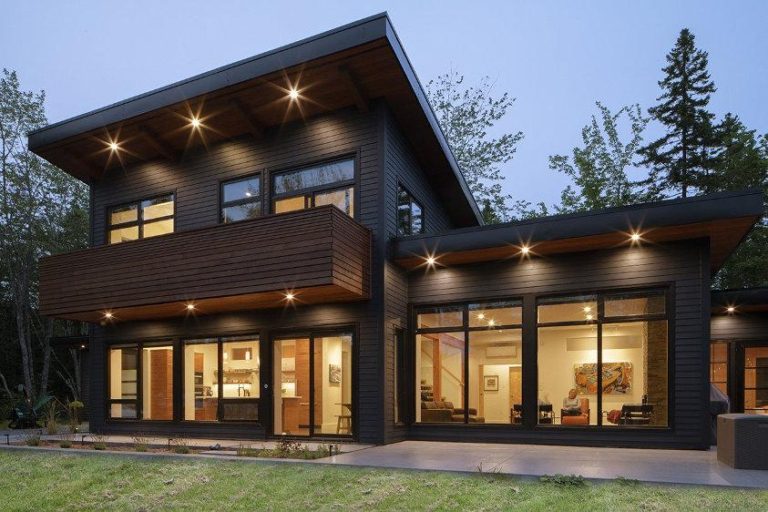
In experience with older Ohio homes where original wood sashes warp unevenly, full upgrades excel. A colonial in Dublin transformed with all 12 windows swapped in a weekend, using double-pane vinyl matching the historic profile. Phased work succeeded for a townhouse family replacing foggy kitchen units first in summer, then the rest in fall. The essential factor? Prioritize uniformity against flexibility, considering financial seasonal constraints and renovation decision points, including aspects like weather impacts on material settling and overall energy performance metrics.
When to Replace Home Windows: Triggers and Signs
Replace home windows when performance declines: drafts entering around edges, condensation forming inside panes, wood frames displaying rot or cracks, or energy bills rising 15-20% without explanation. Fogging indicates a failed seal in double-pane units, trapping moisture between glass layers and diminishing insulation value. High-traffic windows in kitchens or living rooms typically fail first from regular use. Addressing when to replace home windows involves spotting these triggers early to avoid escalating issues like moisture damage or reduced durability, while considering factors such as frame material degradation rates and glass coating wear over time.
A quick self-assessment checklist identifies problems:
- Run a hand along the frame: Cold air indicates a draft from worn seals, leading to energy loss.
- Examine for fog between panes: Internal moisture from seal failure reduces insulation, unlike surface dirt.
- Inspect sashes: Sticky movement or visible rot signals structural weakness, risking further decay.
- Review utility bills: A 10% increase in heating expenses highlights poor insulation performance.
- Search for water stains: Leaks near edges denote frame damage, potentially causing mold.
A client in Powell dealt with 1980s aluminum windows fogging each winter, increasing gas use by $300 per season. Broken seals confirmed during a free inspection prompted action. When signs emerge in multiple windows, develop a window replacement strategy, incorporating diagnostic tools like thermal imaging for deeper analysis of heat loss patterns.
Pros and Cons of Replacing All Windows Simultaneously

Simultaneous replacement simplifies the process yet requires upfront planning. It directly tackles the question of should I replace all windows simultaneously, evaluating immediate advantages against brief inconveniences. The pros and cons of full window replacement highlight trade-offs in cost, disruption, and long-term gains, with considerations for regional climate variations and material availability in areas like Ohio.
Benefits of Replacing All Windows at Once
Replacing all windows at once revitalizes the home’s efficiency and appearance in a single effort. Crews arrive equipped, installing units with shared tools and waste management, often completing a 10-window task in two days. This replace all windows at once method ensures comprehensive coverage without partial measures, allowing for bulk procurement of high-quality components that enhance overall system integration.
Energy Efficiency and Performance Gains
Uniform new windows minimize heat loss via consistent U-factor ratings—usually 0.25 to 0.30 for energy-efficient models—easing HVAC demands by 10-20% in Ohio’s changing climate. Solar heat gain coefficient (SHGC) values near 0.25 block summer sun while admitting winter light. A full upgrade seals the entire envelope tightly, lowering energy bills by $200-400 each year through improved energy insulation installation, including advanced argon gas fills and low-emissivity coatings that further optimize thermal barriers.
Energy Star-certified double-pane units installed in a Bexley bungalow last fall reduced the owners’ heating costs by 15% that winter. Ohio rebates from AEP or Duke Energy cover $100-300 per window, enhancing energy efficiency from window replacement. This method delivers insulation benefits without vulnerabilities from outdated units, supporting homeowner project efficiency by ensuring all openings contribute equally to the home’s thermal performance.
Enhanced Security, Aesthetics, and Home Value
Contemporary frames feature reinforced multi-point locks that outperform aged hardware against intrusions. Aesthetics create a unified exterior—picture crisp white vinyl supplanting faded wood, elevating curb appeal in historic districts with colonial charm. Resale value increases, as full replacements recover up to 70% of expenses according to Remodeling Magazine’s 2025 Cost vs. Value report. Matching new and old windows becomes irrelevant in a complete overhaul, ensuring improvement consistency style across the facade and interior views.
A Columbus client enhanced their mid-century modern home with uniform casement windows, boosting the appraisal by $15,000. To outline key advantages, consider this numbered list of primary benefits:
- Uniform energy performance across all units reduces overall HVAC load and utility expenses.
- Coordinated installation cuts labor time and associated fees by 20-30%.
- Immediate aesthetic harmony elevates the home’s market appeal without phased inconsistencies.
Drawbacks of Full Window Replacement
The pros and cons of full window replacement encompass high initial expenses—$8,000-20,000 for a typical Ohio home—and interruptions from noise, dust, and protected furnishings lasting 1-3 days. If only select windows malfunction, it represents excess, diverting funds from other priorities. Spring rains in Ohio can delay schedules further. The cost of replacing multiple windows demands careful financial considerations for window replacement, including contingency planning for weather-related extensions and material lead times.
A family managed a dusty week during a complete exchange, yet the outcome warranted the effort. Budget-aware individuals find phased alternatives relieve pressure while upholding standards. Potential overcommitment in minor scenarios underscores the need for targeted evaluation, balancing short-term disruptions with projected efficiency improvements over several seasons.
Advantages and Challenges of Replacing Windows One at a Time

A replace windows one at a time strategy provides oversight, enabling responses to issues as they surface without major pledges. This immediate vs gradual window replacement option suits varied paces, though it introduces distinct challenges, such as coordinating multiple installation phases amid ongoing home use.
Phased Window Replacement Approach
This technique updates windows singly or in modest batches, aligning with weekends or off-seasons. It controls cash flow—$500-1,200 per unit paid progressively—and confines daily disturbance to hours per installation. Renters or participants in continuous renovations value the reduced interference. The phased window replacement approach prioritizes tackling failing windows first for optimal impact, allowing for iterative testing of different materials and styles to refine future selections.
Guidance through a six-month phasing in Hilliard began with drafty bedrooms for a homeowner. Normal routines persisted amid gradual comfort improvements, with each phase building on observations from previous installations to adjust for better overall compatibility.
Tackling Failing Windows First: Targeted Fixes
Prioritize by necessity: Begin with leaking or foggy units in frequented locations like kitchen bays or entryways to halt prompt concerns such as moisture harm or security threats. Expenses range $300-800 per window, varying by dimensions and materials. Focusing on failing problematic matching ensures quick resolutions without broad overhauls, while incorporating partial retrofits like insert replacements to preserve existing frames where feasible.
A recent assignment repaired three deteriorating sashes in a living room initially, employing retrofit glass inserts to seal drafts sans complete frame extraction. This pinpoint correction extended time for house-wide efforts, enhancing aesthetics durability maintenance through selective upgrades that address specific vulnerabilities. For targeted prioritization, use this bulleted list:
- Identify high-traffic areas: Kitchen and living room windows face heaviest wear, demanding first attention to prevent escalation.
- Assess urgency: Leaks cause immediate water damage; address them before cosmetic fogging.
- Evaluate costs: Basic fixes start at $300, allowing budget allocation without full commitment.
- Monitor progress: Track energy shifts post-repair to guide subsequent phases.
Potential Disadvantages of Individual Replacement
Mismatched aesthetics occur when new vinyl conflicts with existing wood, and energy output differs—one effective window fails to counterbalance leaky adjacent ones. Schedules extend over months, with recurring contractor arrivals increasing inconvenience. Inconsistent performance hampers overall home improvement estimate accuracy, potentially leading to uneven thermal zones within the living space.
A Worthington client phased replacements and later disliked the color discrepancies, yielding a patchwork effect. Short-term ease frequently compromises enduring cohesion, complicating models financial seasonal planning, especially when seasonal temperature fluctuations highlight inconsistencies between upgraded and original units.
Cost of Replacing Multiple Windows: Financial Considerations
Single windows average $500-1,200 installed in Ohio, encompassing vinyl or fiberglass frames, double-pane glass, and labor.
Window Replacement Pricing Per Unit vs. Bulk Discounts
Complete-home packages yield 15-25% reductions, reducing a 15-window endeavor to $8,000-20,000 overall. Wood elevates costs 20% for tailored historic adaptations, factoring in warranty labor and additional features like impact-resistant glazing for enhanced protection.
A $9,500 quote for a Grove City full upgrade saved the client $2,000 compared to incremental rates. Warranties extend lifetime on frames from leading brands, covering upgrade retrofit sash concerns such as operational smoothness and weatherproofing integrity.
Budgeting for Immediate vs. Gradual Replacement
Full replacement accelerates ROI via efficiency reductions of $200-500 annually, recovering investments in 5-10 years. Phased distribution defers comprehensive advantages, with successive setup charges elevating totals 10-15%. Budgeting aligns with contractor budget timeline, ensuring sustainable progress by incorporating inflation adjustments and potential rebate applications over time.
Immediate overhauls benefit constrained finances over time; gradual suits fluctuating revenues, incorporating pricing phasing costs that allow for economic monitoring between phases.
Best Approach for Window Replacement: Key Decision Factors

The best approach for window replacement aligns with the home’s age, utilization, and resources—no universal solution exists. Decision factors include guide pros cons evaluations for tailored choices, emphasizing personal lifestyle needs alongside technical specifications.
Matching New and Old Windows for Seamless Integration
Select styles that harmonize: Double-hung sashes for classic Ohio colonials or sliders for ranches. Tailored grids and coatings avert visual discord in incremental efforts, promoting improvement consistency style through careful color matching and profile alignment to blend seamlessly with existing architecture.
A Dublin restoration paired new fiberglass with weathered oak outlines, maintaining the exterior while preserving the home’s original character details.
Window Replacement During Home Renovation Projects
Combine with overhauls like siding or roofing for 10-20% combined economies and unified site operations. Pre-sale preparations favor full upgrades; contractors schedule for quieter periods. Window replacement during renovation optimizes bundled savings and minimal interference, leveraging shared scaffolding and access points for efficiency.
Coordination of a full-house exchange amid a bathroom renewal in Upper Arlington diminished overall disturbance. This fusion heightens worth for flippers and renovators, aligning with renovation decision timelines that include phased structural updates.
Seasonal Window Replacement Tips (Ohio Focus)
Fall brings temperate conditions and 10% reduced contractor fees ahead of winter lulls. Sidestep winter frost damaging fresh seals; prepare for muggy summers using low-E layers. Obtain permits promptly in Columbus—most like-for-like exchanges require none. Seasonal window replacement tips emphasize timing for contractor budget timeline efficiency, considering optimal curing periods for sealants and adhesives in varying humidity levels.
A local suggestion: Arrange assessments in September to precede surges. The team navigates Ohio regulations effectively, incorporating financial seasonal elements like peak demand pricing adjustments.
Energy Efficiency from Window Replacement: Long-Term Impacts
A Reynoldsburg client reduced utilities by $350 following a full upgrade, based on the initial-year review tracking both heating and cooling savings.
Window Styles and Options to Consider
Casement windows pivot outward for optimal airflow, suiting Ohio’s airy springs.
Popular Window Types for Replacement Projects
Sash varieties fit conventional dwellings, tilting for straightforward upkeep. Tilt-and-turn provide adaptability for contemporary settings. Align with design: Picture setups for ranch practicality, grilles for colonial sophistication. Popular window types for replacement projects include these for versatile applications, offering variations in crank mechanisms and ventilation controls.
Casements installed in a Cincinnati kitchen improved circulation, reshaping cooking areas with enhanced ventilation and natural light diffusion.
Customizing Styles to Your Home’s Needs and Budget
Weigh operability (fixed versus movable), dimensions for illumination, and specifications for efficiency. Allocate $600-1,000 for fundamental vinyl; supplement $300 for bespoke hues. In incremental initiatives, adhere to primary outlines to evade discrepancies. Material guides address vinyl, wood, and aluminum selections, integrating upgrade retrofit sash options that balance cost with longevity features like UV-resistant finishes.
Common Mistakes to Avoid in Window Replacement Decisions
Bypassing NFRC designations results in subpar choices; confirm U-factor and SHGC consistently.
Overlooking Energy Ratings and Professional Inspections
Amateur evaluations overlook concealed rot—engage certified specialists for exact estimates. Overlooking energy ratings and professional inspections leads to inefficient outcomes and added expenses, as undetected issues like hidden frame warping can compromise long-term structural integrity.
An omission incurred $1,000 in revisions for one client.
Underestimating Disruption and Long-Term Costs
Incremental efforts accumulate repeated labor expenses, raising sums 15%; complete setups merge them. Account for dust barriers and pet safeguards in every method. Underestimating disruption and long-term costs overlooks hidden fees like successive visits, including travel surcharges and repeated site preparations.
Over 15 years, phased assignments doubled expenses from supplements—strategize with experts to circumvent, factoring in maintenance intervals for mixed-age installations.
Decision-Making Checklist for Your Window Replacement Strategy
- Rate necessities (1-5): Tally drafts, fogging, or rot throughout windows, assessing failing problematic matching.
- Establish budget: Target $500-1,200 per unit or aggregate full-house figures, including window replacement pricing per unit.
- Outline schedule: Prompt for sales; progressive for cash management, considering immediate vs gradual window replacement.
- Verify alignment: Confirm fresh styles complement current structure for seamless integration.
- Engage specialist: Secure a complimentary appraisal for bespoke guidance, factoring contractor budget timeline.
FAQ: Deciding Your Window Replacement Strategy
Conclusion: Crafting Your Personalized Window Replacement Plan
Full or phased, the optimal window replacement strategy safeguards the home’s warmth and worth. Balance indicators like fogging with expenses and schedules for a suitable blueprint. As a certified contractor with 20+ years in Ohio, both routes thrive when customized appropriately. “The best window replacement strategy starts with understanding your home’s story—whether it’s a quick fix for a drafty pane or a full refresh for lasting efficiency.” – Aleksandr Kubai, Window Restoration Expert.

Ready to fix your windows? Get a free quote in 30 seconds.
Family-owned, licensed & insured. Free, no-obligation quotes.