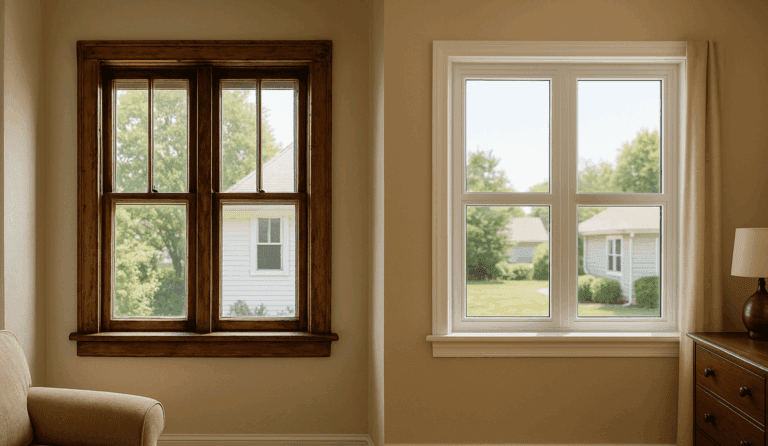

Sliding doors aren’t merely elegant — they are super efficient and space-saving. At the same time, they can be serious frustrators if they suddenly decide to jam or stop gliding effortlessly. Ever attempted to get one open in a hurry only to discover it won’t open? It’s like the door is taunting you, huh? No need to fret. Usually, a good cleaning, a steady hand and the right tools will get things running smoothly again.
Naturally, certain situations require an expert’s touch. If your sliding door remains resistant to your best efforts, Window Gurus is here to help. Their expert pros can address everything from squeaking tracks to entire overhauls to get that door back on its rails, looking sharp and working beautifully. It’s nice to know help is available, especially when you’re busy yourself or just prefer to have someone else do the heavy lifting.
Key Takeaways
- Top cause (50%): dirt/debris in track grinding rollers. Quick test — lift door while sliding. Glides when lifted = roller issue, not track damage.
- 3-step DIY fix: vacuum + scrub + dry track → silicone spray (NEVER WD-40) → adjust rollers via bottom screws. Total: 30 min, $5–$10.
- Cost: DIY $0–$60 (cleaning to roller swap). Pro service $150–$300 cleaning, $250–$450 roller replace, $400–$700 track replace.
- WD-40 warning: dries sticky + attracts dust = more drag in 2–3 weeks. Always silicone spray ($5–$8/can, 2–3 yr supply).
- Call pro for: bent track, oversized doors (>8 ft / 100 lbs), DIY didn’t work, cracked glass during the issue, frame damage.
How To Repair Your Sliding Door in Steps
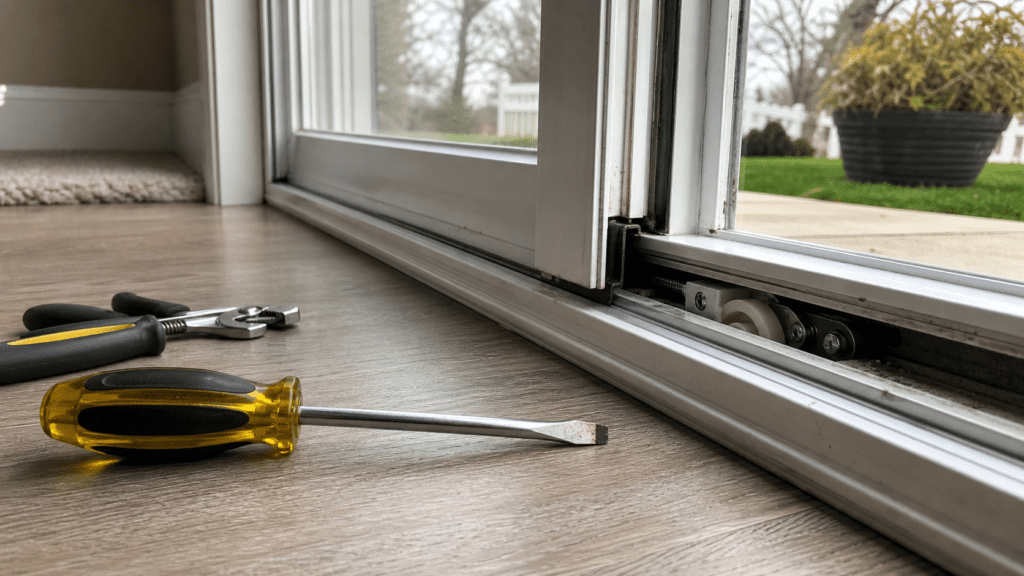
Keep these simple tips in mind, and you’ll avoid pitfalls and save a fair bit of money. I mean, pros are awesome, but every now and then you want the security that comes with handling a problem on your own. Just make sure you’re ready to get your hands dirty, and think safety at all times.
1. Remove the Sliding Door
- Ask for Help: Sliding glass doors can be heavy and fragile. Attempting this solo, you might endanger yourself with a dropped door or a tweaked back. Having someone else’s help can ease the stress of it all.
- Find the Adjustment Screws: Typically, these screws are located at the bottom edges of the door, sometimes tucked behind a small decorative trim.
- Loosen the Screws: Take a trusty screwdriver and very carefully loosen those screws that are holding those rollers. If you’ve never done it, you may be surprised at how easy it is.
- Position the Door: Push the door so it is centered in the doorway. There’s usually more space here to pop that door out without scratching the frame.
- Lift and Remove: Using your helper, carefully tilt the door towards you. Slowly and steadily lift it off the track so as not to chip or crack the glass.
2. Clean the Rails
- Vacuum the track: Dust, dirt and even little bits of insect bodies can accumulate on the track. You can get into these grimy corners with a long nozzle on your vacuum with not too much fuss.
- Scrub the Rails: Hunker down with a stiff-bristled brush, dunk it into soapy water and scrub those rails — and the edges of the doors — clean. Take your time — residue left behind can cause the door to get stuck again later.
- Dry the Rails: Wipe down all moisture before you reassemble anything. Water can cause metal parts to corrode or wood to warp, so it’s a good idea to wipe everything down thoroughly.
3. Inspect and Replace the Rollers
- Check the Rollers: You may be ready to dispose of your card stock, but do check the rollers for cracks, flattened edges or rust. If you notice visible damage, replacing them is the smartest thing to do.
- Buy New Rollers: Take the old ones along to the hardware store so you can get everything sized and specified exactly right. The staff might provide helpful hints as well — never hurts to ask.
4. Lubricate the Rails
- Use the Proper Lubricant: Metal rails should get silicone grease, while a fleck of candle wax or beeswax does the trick for wood. Avoid oil-based products, because they attract dust and grime.
- Apply the Lubricant: Go easy — a thin coat will do the trick along both top and bottom edges of the rails. Too much of it will leave a messy residue that tends to trap more dirt over time.
5. Reinstall the Sliding Door
- Check the Hardware: Make sure that new rollers, screws and other parts are properly fitting and well functioning. This is your opportunity to spot anything off before the door is back on the right course.
- Position the Door: If you can, have your helper secure it again. Put the door back on the rail in reverse from how you took it off.
- Make Adjustments to the Rollers: If not, adjust the roller height, hopping the door slides that should not scratch. Just a tiny twist of a screw can change everything.
- Test the Door: Move it back and forth a few times. Listen for odd sounds, watch for jerking movements, and verify the lubricant is being spread uniformly.
Additional Tips
- High Indoor Humidity: Things like making a huge feast or running a hot shower pour tons of moisture into the air. When that humid air hits a frigid windowpane, condensation comes in and takes up residence on the glass.
- Inadequate Ventilation: When good airflow is lack, your home becomes a trap for moisture. Opening a window slightly (as counterintuitive as that sounds) or using fans and vents allows the air to move. The enemy is dead air; circulating air prevents condensation.
- Poor Window Insulation: Because even small gaps allow frigid air to seep inside, cooling the glass and promoting fog formation. Look for broken seals or dried-out caulk, as these weak spots can really undermine your home’s comfort.
- Inside vs. Outside Temperature Differentials: Winter weather is essentially a condensation factory — even more so if you (consciously or unconsciously) keep your indoor temps toasty. Cool panes plus humid indoor air equals a sweaty window. That steady drip can cause mold if not controlled.
- Large Number of Indoor Plants: Houseplants are delightful, but while they respire they also create additional moisture. If you’ve converted your house into a verdant greenhouse, you may notice more condensation on the windows, particularly on brisk mornings.
Causes of Seal Breakage
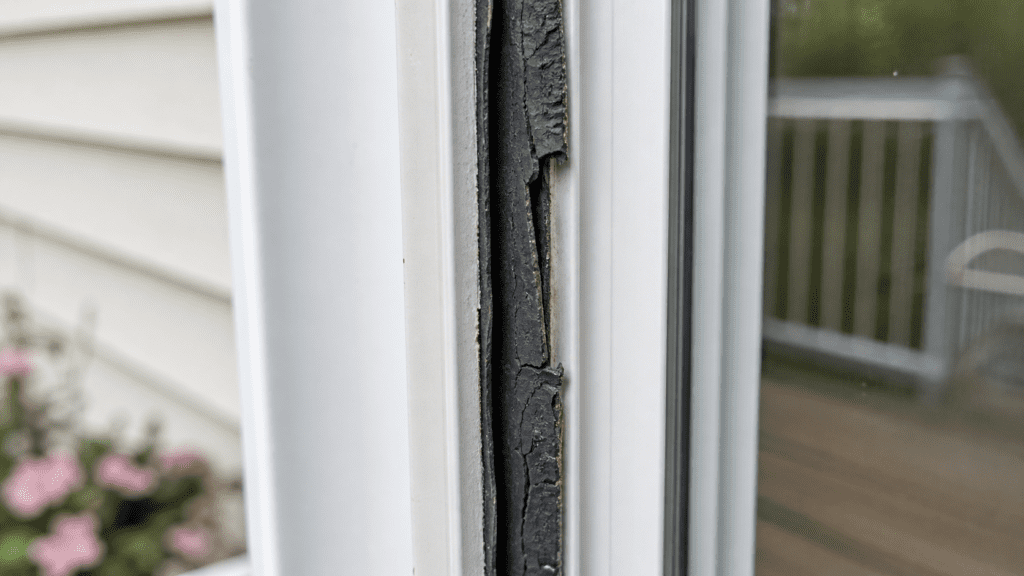
A second consideration is physical damage. Perhaps a rambunctious child’s plaything struck glass, or strong cleaning agents made contact with the seal. Even minor bumps or exposure to chemicals, when repeated regularly over a long period of time, can hasten seal deterioration. Regular inspections are a good idea — discovering damage early can allow you to repair rather than replace.
We Professionally Replace Sliding Doors
That’s when Window Gurus comes into play. In addition to new doors, they offer restoration services that preserve the vintage feel of older properties. There’s something comforting about relying on a team of specialists with these hiccups who work with them every day. They’ll patch you up, keep your house looking just the way it was and get everything running like a dream again.
Maintaining Your Sliding Door in Tiptop Shape
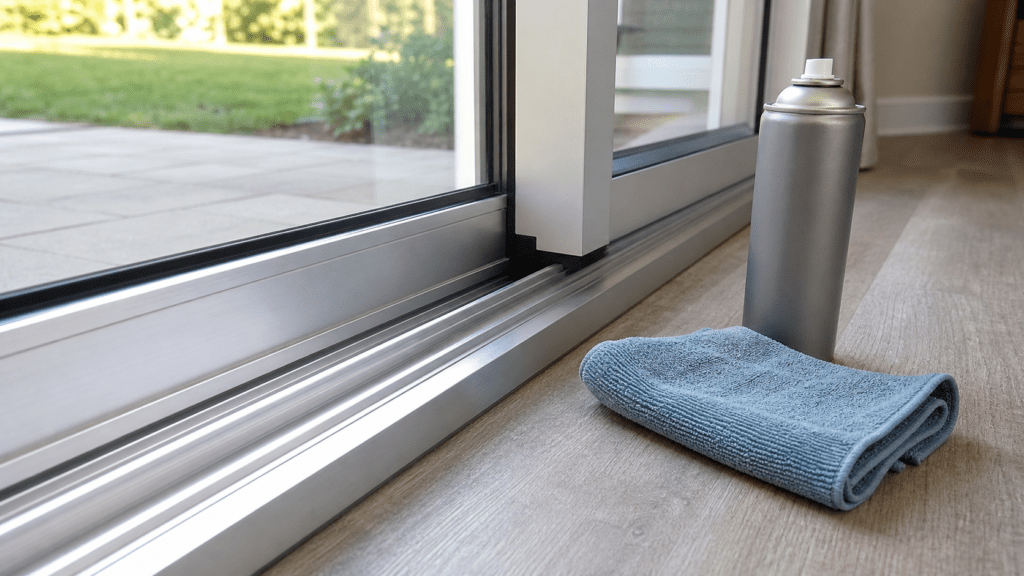
A final tip? Don’t neglect lubrication. A thin coat of silicone on metal rails, or just a bit of wax on wooden ones, does wonders, especially if you live somewhere where you contend with humidity or salty air. Better prevention than grappling with a stuck door in the dead of winter, right?
A stuck sliding door can put a kink in your day, but it’s generally not that difficult to fix. With a clean, inspection and lubrication of the right parts, you should be able to have the door rolling like new again. But if the situation isn’t getting better — or you prefer to skip the guesswork — give Window Gurus a call. They’re able of handling everything from minor upgrades to full-on renovations, which means that you can keep your home feeling stylish without sacrificing comfort. As it’s the details like a perfectly gliding door that makes a house feel like home.
Frequently Asked Questions
Quick answers to common reader questions, drawn directly from real search intents.
Five common causes ranked: (1) dirt and debris in the track grinding the rollers — accounts for 50% of cases; (2) worn or broken rollers that no longer glide; (3) bent track from a forced opening or settling; (4) misaligned rollers that need height adjustment; (5) swollen frame from humidity (wood doors) or seasonal expansion. Quick test: lift the door slightly while sliding — if it moves freely when lifted, it’s a roller adjustment issue, not track damage.
Three-step fix: (1) clean the track — vacuum debris, then scrub with a stiff brush + warm soapy water + dry; (2) lubricate with silicone spray (NOT WD-40 — it attracts dust); (3) adjust the rollers via the bottom screws (clockwise to raise, counterclockwise to lower), aiming for the door to glide with under 5 lbs of force. If still sticky after these steps, the rollers are worn — replace them ($20–$60 in parts, 60–90 min DIY).
If the door won’t move at all: (1) check if the lock is engaged or a security pin is in place; (2) inspect the track for visible damage or large debris blocking; (3) try lifting and pulling — frozen rollers often release with vertical force. If lifting + pushing doesn’t work, you have a serious roller failure or bent track. Don’t force it — that bends the track further. Remove the door entirely (back off adjustment screws, lift up and out) and inspect rollers/track from below.
DIY: $0–$10 for cleaning + lubrication if those solve it; $20–$60 in parts if rollers need replacement (plus your time). Pro service call: $150–$300 for cleaning, lubrication, and adjustment. Pro roller replacement: $250–$450 including parts. Track replacement: $400–$700 (track itself $80–$150 + labor). Track straightening (if bent but not destroyed): $200–$350. Skip pro service for simple cleaning — that’s a DIY 30-minute job.
Three rules: (1) use silicone spray, NEVER WD-40 (WD-40 dries sticky and attracts dust, causing more drag in 2–3 weeks); (2) apply lightly to the track and bottom of the rollers — no pooled liquid; (3) operate the door 5–10 times after spraying to distribute. Frequency: every 6–12 months in clean indoor environments, every 3–6 months in coastal or dusty areas. Cost: silicone spray $5–$8 per can, lasts 2–3 years.
Five signs a pro visit is warranted: (1) bent track visible to the eye; (2) door is heavy oversized (over 8 ft wide or 100+ lbs); (3) you’ve cleaned, lubricated, and adjusted but still won’t glide; (4) glass cracked during the issue (safety risk); (5) frame damaged from the door binding repeatedly. For a typical residential 36″×80″ door that’s just dirty or has worn rollers, DIY is the smart play. For commercial or oversized doors, hire a pro.

Ready to fix your windows? Get a free quote in 30 seconds.
Family-owned, licensed & insured. Most quotes delivered the same day.