If you ever come across claims that some glasses are completely unbreakable, be aware that this is not true. All glass can break, though in different ways. For example, windows covered with a polymer film, often marketed as ‘unbreakable’ glass, simply crack instead of shattering. Glass types often referred to as ‘unbreakable’ include:
- Laminated windows: These are made by placing a thin, optically transparent plastic layer between two standard glass panes.
- Polycarbonate windows: These are entirely plastic windows made from thick, strong, and flexible polycarbonate panels.
Both types of ‘unbreakable’ glass are more durable and last longer than conventional windows. Additionally, laminated and polycarbonate windows provide better insulation, helping homeowners save on energy bills.
Key Takeaways
- Truly unbreakable does not exist: the four shatterproof options are laminated glass, polycarbonate, acrylic, and tempered+laminated combo.
- Laminated glass beats polycarbonate for most residential use — looks like glass, no yellowing, scratch-resistant, easier to clean.
- Cost premium: laminated adds $80–$400 per window over standard double-pane; full impact-rated unit $700–$1,500 installed.
- Cheapest retrofit: security film at $4–$10 per sq ft applied to existing glass — keeps shards in place on impact.
- When polycarbonate wins: ground-floor in high-crime areas, basement security, storm-prone coastal regions.
Pros of polycarbonate glass
Polycarbonate windows are much harder to break than standard glass windows. In fact, they are estimated to be 200 times more resistant to impact than regular windows, offering superior protection against break-ins and hurricanes.
Laminated glass: advantages
Laminated glass windows offer similar strength and durability to polycarbonate windows. If struck with significant force, the outer glass layers may crack or even shatter into small pieces, but the polycarbonate layer between the panes will remain intact. This feature ensures the house remains protected from the elements until repairs can be made.
If you’re looking to protect your home from break-ins, it’s worth considering windows with laminated or polycarbonate glass.
Reinforcing existing windows
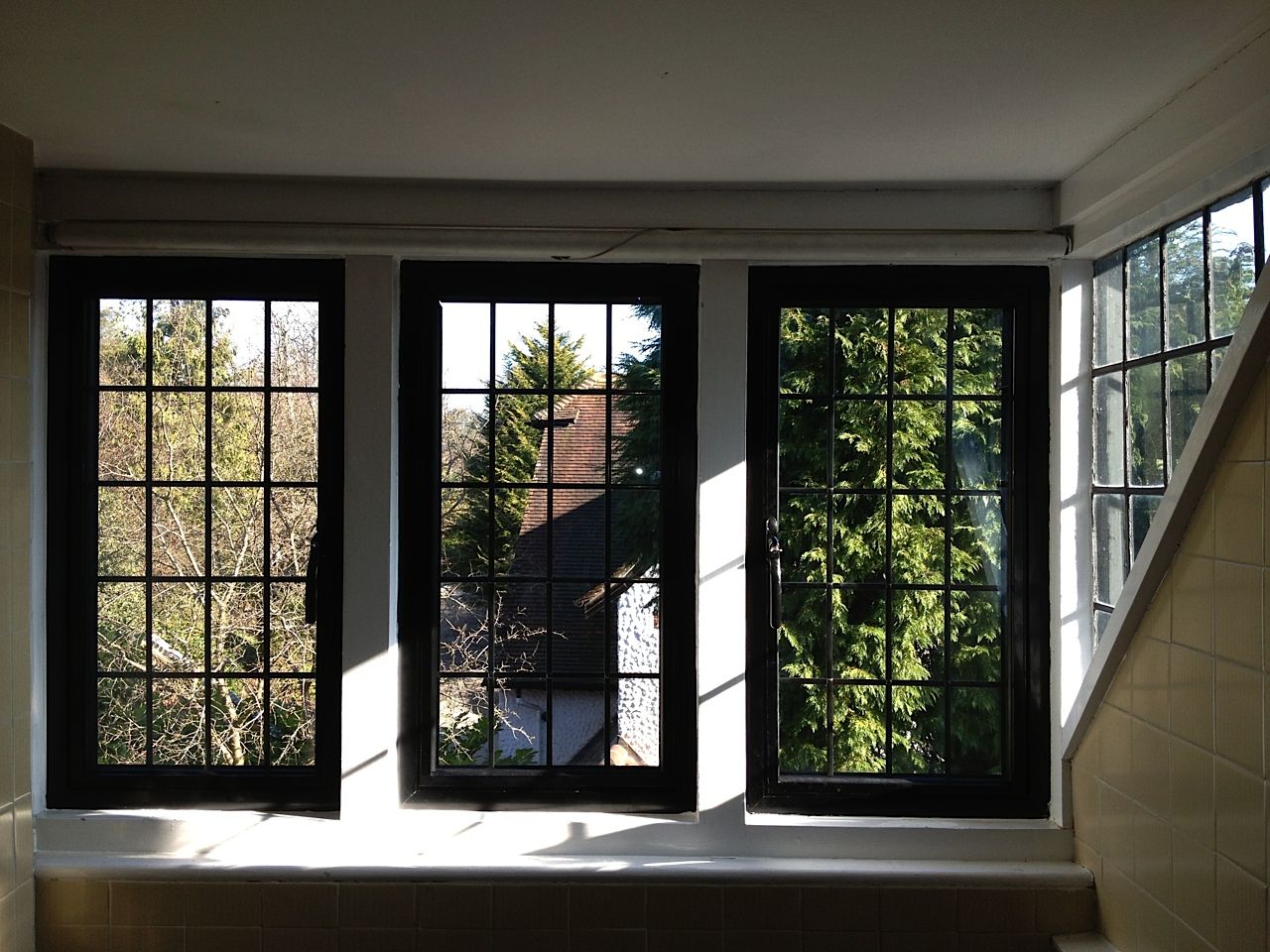
Should I install unbreakable glass windows in my house?
- Increase home security;
- Prevent injuries from broken glass;
- Lower heating bills;
- Improve soundproofing.
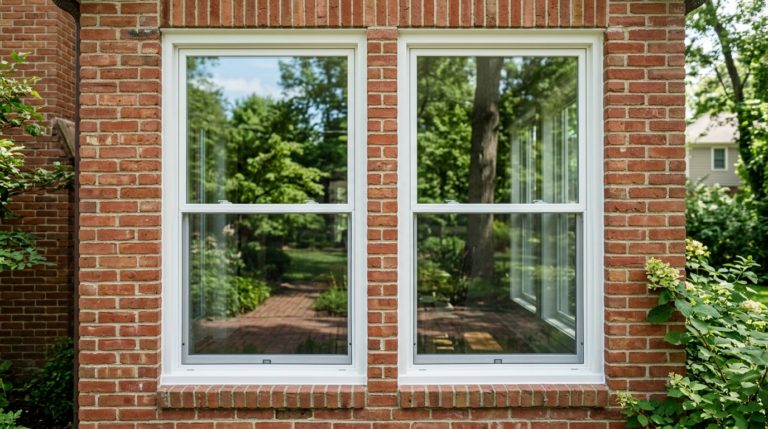
If you already have double-hung windows and want to enhance their durability, repair double hung windows with reinforced or laminated glass to improve security and energy efficiency.
Both types of ‘unbreakable’ glass are also perfect for homes or commercial properties located in areas frequently affected by hurricanes. Coastal homeowners, as well as those in the Midwest and Southern regions affected by tornadoes, are particularly interested in unbreakable glass windows.
Window Gurus professionally installs new unbreakable glass and can also upgrade your existing windows.
Frequently Asked Questions
Quick answers to common reader questions, drawn directly from real search intents.
Nothing is literally unbreakable, but four products are functionally shatterproof for residential use: (1) laminated safety glass (two glass layers bonded to a PVB or SGP interlayer) — cracks but stays in frame; (2) polycarbonate (Lexan) — virtually impossible to break by impact, but scratches easily; (3) acrylic (plexiglass) — 17× stronger than glass but yellows over time; (4) tempered + laminated combo — the strongest residential option, used in storefronts and high-security homes. None are bulletproof unless specifically rated.
Polycarbonate (brand: Lexan) is plastic — extremely impact-resistant (stops thrown rocks, bricks, baseball bats), 1/30th the weight of glass, but scratches easily and yellows under UV after 5–10 years. Laminated glass is two real glass panes bonded with a clear plastic interlayer — looks identical to regular glass, much harder to break through (the interlayer holds shards), no UV yellowing, and it cleans like normal glass. For homes, laminated glass is the better choice 90% of the time. Polycarbonate wins for sheds, garage windows, and sports facility glazing.
Compared to standard double-pane: laminated glass adds $80–$160 per window (PVB interlayer) or $200–$400 (SGP interlayer for stronger hold). Polycarbonate retrofit panels run $90–$220 per window. Tempered + laminated combo for forced-entry resistance: $300–$600 per window. Full shatterproof window unit (frame + glass + tested rating): $700–$1,500 per window installed. ENERGY STAR rated laminated low-E variants qualify for the federal IRA 30% tax credit.
Yes, with three approaches in increasing strength and cost: (1) security film — clear adhesive film applied to existing glass, holds shards together on impact, $4–$10 per sq ft installed, retrofit-only; (2) replacement laminated IGU — keep existing frame, swap the glass unit only, $200–$400 per window; (3) full window replacement with rated impact-resistant units, $700–$1,500 per window. Security film is the fastest and cheapest retrofit but doesn’t prevent thermal seal failure or cold transmission.
For most homes, no — laminated glass is the better security upgrade because it looks like glass, doesn’t yellow, and resists scratching. Polycarbonate is worth it in three specific cases: ground-floor windows in high-crime areas, basement windows with limited visibility for monitoring, and storm-prone areas (Florida, Gulf Coast) where impact resistance plus shatterproof matters. For a typical Columbus home, laminated outer-pane in a quality framed window plus an alarm system delivers better total security at lower cost.

Ready to fix your windows? Get a free quote in 30 seconds.
Family-owned, licensed & insured. Free, no-obligation quotes.