Windows rarely fail all at once. They give you signals first: a sash that fights you, a draft you can feel from the couch, a pane that fogs up and never clears. Catching those signs early is the difference between a planned upgrade and an emergency in the middle of an Ohio cold snap.
This guide walks through the seven clearest signs that a window has reached the end of its useful life, how to tell a quick fix from a real problem, and what each sign costs you if you ignore it. If several of these sound familiar, it may be time to price out new window installation rather than keep patching.
Quick answer: The main signs it’s time to replace your windows are sticking or broken operation, drafts you can feel with the window shut, rising heating and cooling bills, fog trapped between the panes, water stains or rot around the frame, loud outside noise, and old single-pane glass. One sign may be repairable; several together usually mean replacement.
How Long Should Windows Last?
Most windows are built to last about 15 to 20 years, though the exact number depends on what they are made of, how well they were installed, and the climate they face. Vinyl and fiberglass units often run longer, while older aluminum and some wood windows show their age sooner. If your windows are pushing two decades, the question shifts from whether they will need replacing to when.
Ohio is harder on windows than a mild climate. The repeated freeze-thaw cycles of a Columbus winter expand and contract every frame, sash, and seal, and humid summers add swelling and rot to the list. A window that might last 25 years in a dry, temperate place can wear out years earlier here. Age by itself is not a reason to tear out a sound window, but it tells you which problems to take seriously.
Use the seven signs below as the real test. A 30-year-old window that still seals, opens, and insulates well can stay. A 12-year-old unit showing two or three of these signs is already costing you money every month.
1. The Window Sticks, Won't Lock, or Won't Stay Open
A window you have to wrestle open, or that drops shut on its own, is telling you something has shifted. Wood frames swell with humidity and warp over the years; vinyl and aluminum can distort after enough heat cycles; and a house settling on its foundation can rack a frame just enough to bind the sash. When a window will not lock fully, the problem is more than an annoyance, because an unlatched window breaks the weather seal and leaves the room less secure.
Operation matters for safety too. A bedroom window is a fire-escape route, and a sash painted shut or seized in its track is a real hazard in an emergency. Before you write the window off, rule out the easy causes: a track packed with dirt, a buildup of old paint, or a worn balance or roller that a technician can swap. If the sash is square and the frame is sound, that is a repair. If the frame itself is warped, swollen, or out of square, cleaning and new hardware will not save it, and replacement is the honest answer. A crank-operated style such as a casement window sidesteps the track and balance problems that make sliders and double-hungs stick in the first place.
2. You Feel a Draft With the Window Shut
Stand next to a closed window on a windy winter day. If you feel a thread of cold air, the window is no longer doing its main job. Drafts come from failed weatherstripping, gaps where the sash meets the frame, or a seal that has pulled away after years of expansion and contraction. In an Ohio January, those small leaks add up to rooms that never quite warm and a furnace that runs longer than it should.
You do not need special tools to find a draft. A few quick at-home checks will tell you which windows are leaking:
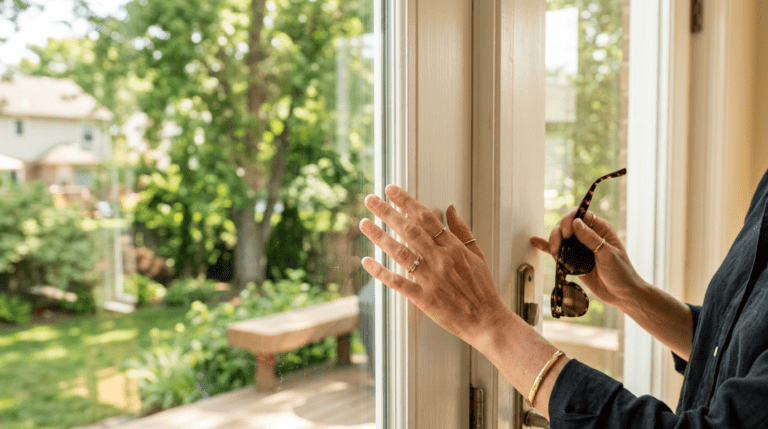
- The hand test. Move a damp hand slowly around the sash edges; moving air feels noticeably cooler on wet skin.
- The candle or incense test. Hold a small flame or a smoke trail near the frame on a breezy day and watch it flicker or bend where air sneaks in.
- The dollar-bill test. Close the window on a bill; if it slides out without any drag, the sash is not sealing.
A draft from worn weatherstripping is a cheap fix you can often do yourself. A draft coming through the frame, or around a sash that no longer sits square, points to a window at the end of its life.
3. Your Heating and Cooling Bills Keep Climbing
When the energy bill creeps up season after season and your habits have not changed, the windows are a prime suspect. Old single-pane glass and failed double-pane seals let heat pour out in winter and flood in during summer, so the heating and cooling system runs longer to hold the temperature you set. You pay for that lost energy every month, and the gap usually widens as the seals degrade further.
There is a simple way to feel the problem. On a cold day, lay your hand on the glass: if the inside surface is nearly as cold as the air outdoors, the window is conducting heat straight through instead of blocking it. Newer units with two or three panes, a low-emissivity coating, and an insulating gas fill keep that inner surface much closer to room temperature. That is the difference you feel as a warmer room and see as a smaller bill, and it grows over the long Ohio heating season.
4. Fog or Condensation Sits Between the Panes
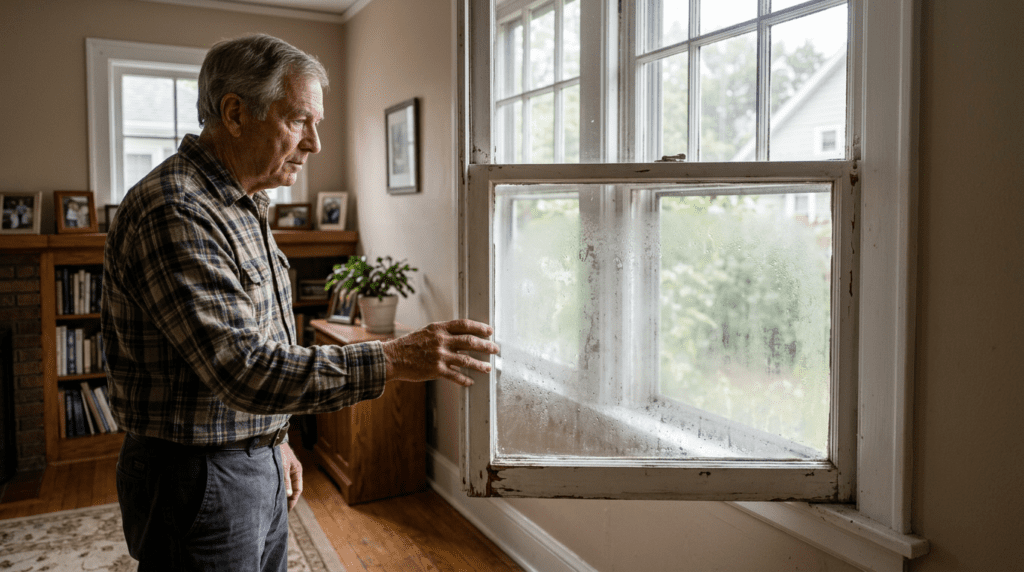
Foggy glass that you cannot wipe away is one of the clearest signs a window has failed. Modern windows seal two or three panes around a pocket of insulating gas. When that seal breaks, humid air seeps in, the gas escapes, and moisture condenses where you can see it but never reach it. The window still works as a barrier, but most of its insulating value is gone.
It helps to know which kind of condensation you are seeing. Moisture on the inside surface of the glass usually means high indoor humidity, not a broken window. Frost or water on the outside is normal on cool mornings. Fog trapped between the panes, though, is a failed insulated glass unit, and that is the one that signals trouble.
On older Columbus double-hungs, the seal tends to give out years before the glass does. We see fogged units on homes barely fifteen years old after a run of hard freeze-thaw winters, long before anything else looks wrong.
Sometimes only the glass unit needs swapping and the frame is fine, which is a smaller job than a full window. A technician can tell you whether glass repair will fix it or the whole window has reached the end of the road.
5. Water Stains, Soft Frames, or Rot Around the Window
Water is the most destructive thing a window deals with, and the damage often hides until it is serious. Look for stains on the wall or sill below the window, paint that bubbles or peels near the frame, or trim that feels soft and spongy when you press it. Each of those points to water getting past the window and into the structure around it.
Wood frames are most at risk. Once rot starts, the material shrinks, cracks, and turns punky, and it spreads to the framing and flooring if left alone. Ohio’s freeze-thaw cycle makes it worse: water wicks into a small crack, freezes, expands, and opens the gap a little wider each winter. A window that leaks is not only inefficient; it is actively damaging your home.
Surface stains caught early can sometimes be traced to flashing or caulk and sealed up. But soft, rotted frames or repeated leaks mean the window is no longer protecting the opening, and replacing it is what stops the damage from reaching the wall behind it.
6. Outside Noise Comes Through Loud and Clear
If you can hear every passing car, barking dog, or lawn mower as though the window were open, the glass is not blocking sound the way a modern unit can. Single-pane windows and thin, aging double panes do little to stop noise. For homes on a busy street or near a school or highway, that constant background sound wears on people more than they expect.
Noise control is one area where new windows make an immediate, obvious difference. Dual- and triple-pane units, especially with panes of different thicknesses or a laminated inner layer, break up sound waves before they reach the room. If a quiet house matters to you and your current windows are thin or single-pane, a draft and a noise problem usually travel together, and a single replacement solves both at once.
7. The Windows Are Single-Pane, Outdated, or Just Old
Sometimes the sign is the window itself. Original single-pane windows, the kind common in older Columbus and Cincinnati homes, were never built for modern comfort or efficiency, and a storm window only partly closes the gap. If you are still running single-pane glass, an upgrade pays you back in comfort and lower bills from the first season.
Looks count too. Faded frames, chalky vinyl, dated grilles, and mismatched past replacements drag down curb appeal and can age an otherwise updated home. New windows are one of the more reliable improvements at resale, because buyers read them as one less big expense to worry about. If you are remodeling, fresh windows tie the new look together instead of fighting it.
There is a safety angle on the oldest windows. Homes built before 1978 may have lead paint on the sashes and frames, and disturbing that paint while wrestling a stuck window or sanding it for a repaint releases lead dust. On windows that old, careful replacement removes a recurring hazard along with the draft.
Repair or Replace? How to Tell the Difference
Not every sign on this list means you need new windows. The honest test is how many problems a window has and whether its frame is still sound. A single failure on an otherwise solid window is usually a repair. A pile-up of issues, or any rot in the frame, tips the scale toward replacement.
These problems are often worth repairing rather than replacing:
- One broken or cracked pane on a frame that is square and solid.
- A single fogged glass unit, where the seal failed but the frame is fine.
- Worn weatherstripping, a broken balance, or a bad lock, all of which a technician can swap.
- A sticking sash from dirt or paint, not from a warped frame.
Replacement makes more sense when the frame is rotted, swollen, or out of square; when several signs show up on the same window; or when the windows are single-pane and you want real efficiency. An older double-hung that no longer balances or seals is often a candidate for either a double-hung repair or a full replacement, depending on the frame, and a quick look settles it. When repairs start stacking up across the house, new windows usually cost less over time than fixing the same units again and again.
Not Sure If It's Time? Get a Straight Answer
If two or three of these signs sound like your windows, the smartest next step is a clear-eyed look from someone who repairs and replaces them every day. The right call is sometimes a simple fix and sometimes a replacement, and you deserve a straight answer either way before you spend a dollar.
Book a free, no-pressure window assessment with our Columbus and Cincinnati team, and get an honest read on whether your windows can be saved or it is time to replace them.
Questions About Replacing Windows

Ready to fix your windows? Get a free quote in 30 seconds.
Family-owned, licensed & insured. Free, no-obligation quotes.