 Reviewed by
If you live in an older home with original single-pane windows and drafty rooms, storm windows might be one of the most cost-effective upgrades you can make. While full window replacement gets most of the attention, many homeowners overlook the practical value of storm windows — especially in cold or windy climates. These secondary window units add a layer of insulation, protect your original windows from weather damage, and can significantly cut heating costs without altering the character of your home.
Key Takeaways
- What it is: secondary window inside or outside primary window, creating insulating air gap. Modern low-E storms bring single-pane performance close to double-pane.
- Cost: aluminum exterior $150–$400/window, wood $250–$600, interior magnetic $300–$800. 12-window home $1,800–$7,200 (vs $5K–$15K full replacement).
- Effectiveness: reduces U-value from 1.0+ (single-pane alone) to 0.40–0.55 with low-E storm. 25–35% heating savings, ~70% of double-pane benefit at 20–30% cost.
- Worth it for: single-pane homes where full replacement isn’t affordable, historic districts preserving originals, rentals, 12+ windows. Skip if already double-pane.
- Interior vs exterior: exterior protects primary window. Interior preserves curb appeal — best for historic homes, apartments, shaped windows.
What Are Storm Windows and How Do They Work?
Exterior storm windows are mounted outside your window frame, shielding it from rain, wind, and snow. Interior storm windows attach inside your home and are often used in multi-story houses where exterior access is more difficult. Both types serve the same function: improving energy performance without replacing your original windows.

Types of Storm Windows
| Type | Installed Where | Material | Best For | Notes |
| Exterior Storm | Outside | Aluminum or Glass | Traditional homes, full-frame coverage | Protects against wind and rain |
| Interior Acrylic Panel | Inside | Acrylic/Plastic | Condos, upper floors, temporary use | Easy DIY install, removable |
| Magnetic/Compression Fit | Inside | Acrylic/Glass | Historic homes, renters | No drilling needed, low-profile look |
Benefits of Storm Windows
- Improved insulation: By adding an extra air layer, they significantly reduce heat loss and cold drafts
- Noise reduction: They help block outside noise, especially in busy or urban areas
- Protection: Exterior models extend the life of original window frames by shielding them from the elements
- Preservation: Ideal for historic homes where replacing original windows would harm aesthetics or violate guidelines
- Cost savings: Typically 50–80% cheaper than full window replacements
- Quick ROI: Lower heating bills in winter, especially in cold-weather states like Minnesota, Michigan, or upstate New York
When Storm Windows Make Sense (and When They Don’t)
- Original wood windows you want to preserve
- Single-pane glass with noticeable drafts
- Tight renovation budgets
- Multi-story homes where exterior access is limited
For example, a homeowner in Milwaukee saved over $10,000 by installing magnetic interior storm panels on 15 original windows instead of replacing them. They cut their heating bill by 25% and kept the home’s original charm intact.
Installation and Maintenance Tips
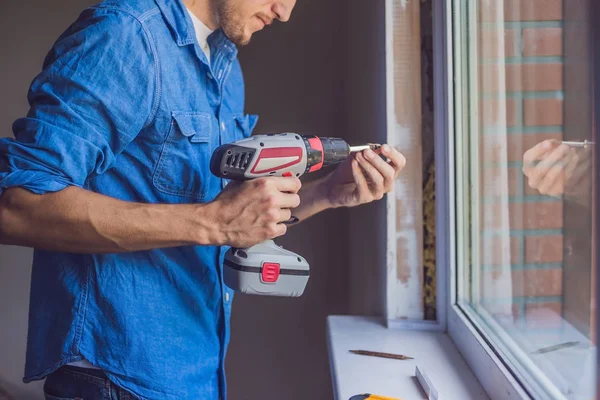
Installation tips:
- Make sure the frame is clean and dry before attaching interior panels
- For exterior units, apply caulk around the perimeter to seal gaps and prevent moisture intrusion
- Use weatherstripping for tighter air seals
- Always measure precisely — custom storm windows offer better fit and performance
Maintenance:
- Remove and clean interior panels seasonally
- Inspect exterior frames annually for signs of corrosion or loosening
- Store removable panels flat to avoid warping or scratching
Some homeowners remove exterior storm windows in summer to allow screens or airflow — others leave them year-round.
Conclusion
They’re not right for every situation, but for many homeowners, especially in the Midwest and Northeast, storm windows are a practical middle ground between doing nothing and paying for full window replacement.
FAQ
Quick answers to common reader questions, drawn directly from real search intents.
If your existing windows are in good condition, yes — storm windows can be a more cost-effective way to improve energy efficiency without the high cost of full replacements.
A storm window is a secondary window installed on the inside or outside of an existing primary window, creating an insulating air gap between them. Used historically to upgrade single-pane windows for energy efficiency without full replacement, storm windows are still relevant for: historic homes preserving original windows, rentals where landlords don’t want full replacement, and budget-conscious upgrades. Modern energy-efficient storm windows can bring single-pane performance close to double-pane levels at 20–30% the cost.
Worth it if: your primary windows are single-pane and you can’t afford full replacement, you live in a historic district preserving original windows, your home has 12+ single-pane windows where replacement would exceed $10,000, or you experience persistent cold drafts in winter. Skip storm windows if: you have modern double-pane windows already (marginal benefit), you’re planning full replacement within 2–3 years, or your single-pane windows are damaged enough that replacement is necessary anyway.
Aluminum exterior storm windows: $150–$400 per window installed. Wood-framed exterior: $250–$600. Interior magnetic storm windows (Indow, Climate Seal): $300–$800. Low-E glass premium adds 20–40%. For a 12-window home: $1,800–$7,200 vs $5,000–$15,000 for full window replacement. Annual energy savings: $100–$300 per home (typical 10–20% reduction in heating costs). Payback period: 5–10 years on energy alone.
Exterior storm windows are more common, protect the primary window from weather, and don’t affect interior aesthetics. Interior storm windows (magnetic-mounted) are popular for: historic homes (preserves exterior appearance), apartments and rentals where exterior modifications aren’t allowed, and homes with shaped windows that can’t accept exterior storms. Energy performance is similar; aesthetic and maintenance access dictates the choice. Interior magnetic systems install in 5–10 minutes per window with no permanent modifications.
A quality low-E storm window over a single-pane window reaches U-values of 0.40–0.55 (vs 1.0+ for single-pane alone), bringing performance about 70–80% of the way toward double-pane (U-0.30). For homes with original wood windows, this means: 25–35% heating cost reduction, dramatic comfort improvement (no cold drafts), and protection of the original window from rain/snow. Compared to full window replacement, storm windows deliver about 70% of the benefit at 20–30% of the cost.