What Are Tilt and Turn Windows?
European tilt and turn windows trace back to mid-20th century Germany, where engineers designed them to maximize light and air in compact apartments.
Origins and European Style
Inward opening windows became standard across Europe for their space-saving design and secure fit. Builders favored the european design for its ability to seal tightly against drafts, a feature that reduces heating costs in cold climates. Today, these windows appear in modern homes across the US, blending old-world engineering with american building needs. This timeless approach ensures that tilt and turn configurations remain relevant in various architectural contexts, supporting both functionality and visual harmony.
Key Features and Dual Functionality
The core of tilt and turn windows lies in their functional hardware: robust hinges on the bottom and side allow the dual functionality without compromising strength. Frames come in durable materials like vinyl or aluminum, often with airtight seals that prevent air leaks. Easy clean tilt and turn windows let users wipe both sides from inside, ideal for upper floors. Security features include hook locks that engage multiple points, making forced entry difficult. Additional elements like reinforced glazing further enhance resistance to impacts, ensuring long-term reliability in diverse residential settings.

How Do Tilt and Turn Windows Work?
In tilt mode, the window opens from the top at a 15- to 30-degree angle, directing airflow downward for safe ventilation.
Tilt Mode for Ventilation
This position allows fresh air circulation while keeping rain out and screens intact. Tilt and turn windows ventilation improves indoor air quality by exchanging stale air without full exposure to pollen or insects. For homes in humid areas like Ohio, this mode prevents mold growth by promoting consistent airflow. The controlled angle also minimizes energy loss, as it facilitates targeted ventilation without excessive heat or cool air escape.
Turn Mode for Full Opening
Turning the handle 90 degrees shifts the window to turn mode, where it swings inward fully like a casement. This setup provides unobstructed views and easy access for cleaning or escape. The inward opening maximizes usable space outside the home, unlike outward casements that block patios. Hardware ensures the sash stays level, avoiding sags that plague cheaper designs. This balanced operation contributes to the overall user-friendly nature of tilt and turn systems, making them a practical choice for everyday home environments.
Diagrams and Illustrations of Mechanisms
Imagine the frame as a sturdy box with the sash inside: bottom hinges lift for tilt, side hinges pivot for turn. A central espagnolette rod extends locks into the frame, creating an airtight barrier. (Placeholder for mechanism diagram: side-view illustration showing tilt and turn positions with labeled hinges and locks.) Such visual aids help clarify the interplay of components, highlighting how the integrated design supports seamless transitions between modes while maintaining structural integrity.

Benefits and Advantages of Tilt and Turn Windows
Airtight tilt and turn windows use compression seals around the entire perimeter, blocking drafts that steal heat.
Energy Efficiency and Airtightness
Energy efficiency ratings often reach U-factor 0.25, meaning less conditioned air escapes. In a typical Ohio winter, these windows cut heating needs by 15-20%, based on tests from the National Fenestration Rating Council. These performance metrics underscore the value of advanced sealing technologies, which integrate with home insulation systems to optimize thermal performance across seasons.
Security and Egress Compliance
Tilt and turn windows security comes from multi-point locks that resist prying better than single-bolt systems. When fully open in turn mode, they meet egress safety standards, providing a clear 5.7-square-foot exit path required by International Residential Code for bedrooms. Tilt and turn windows as egress windows save lives in emergencies, with the inward swing clearing furniture easily. This compliance feature, combined with robust locking mechanisms, aligns with broader home safety protocols that prioritize occupant protection in residential structures.
Easy Cleaning and Maintenance
Easy clean tilt and turn windows rotate fully inward, so reaching exterior glass takes seconds—no ladders needed. A quick spray and wipe with microfiber removes grime, extending glass life.
Durability and Weather Resistance
Durable frames in tilt turn windows withstand winds up to 100 mph, thanks to reinforced corners and weatherstripping. Aluminum-clad wood or fiberglass composites resist rot in rainy climates, lasting 30+ years with minimal fading. In Ohio’s freeze-thaw cycles, these materials expand and contract without cracking seals. The resilience of such constructions makes them suitable for regions with variable weather patterns, where consistent performance is essential for long-term satisfaction.
Aesthetic and Space-Saving Design
The clean lines of tilt and turn windows fit modern homes, with aesthetic customization options like slim grids or colored frames. Inward opening windows save outdoor space, perfect for urban lots where every inch counts. Pair them with matching doors for a cohesive european design that elevates curb appeal. This versatility allows homeowners to integrate the windows seamlessly into diverse architectural styles, enhancing both interior and exterior visual appeal.

Tilt and Turn Windows in the US: Popularity and Availability
Why tilt and turn windows are gaining popularity stems from their versatility: families value the tilt for breezes and turn for light, all in one unit.
Why They’re Gaining Popularity in America
In the US market, sales jumped 25% from 2018 to 2023, per Window & Door Manufacturers Association data, as homeowners seek dual function windows amid rising energy costs. The inward design suits tight spaces in suburban homes, blending functionality with style. This surge reflects broader trends in sustainable living, where multifunctional elements contribute to efficient, adaptable home designs.
Adapting European Designs to US Building Codes (Ohio Focus)
European style windows USA must comply with stricter impact ratings in hurricane zones, but in Ohio, focus shifts to frost resistance. Local codes require tempered glass for safety, which tilt and turn models incorporate seamlessly. Installations in Columbus historic districts preserve architecture while meeting modern standards like R-3 insulation minimums. These adaptations ensure that the windows not only adhere to regulatory requirements but also support the unique climatic demands of the Midwest region.
Material Variations: Wood, Vinyl, Aluminum, and Composite
Wood frames offer natural warmth for traditional homes, vinyl provides low-maintenance affordability, aluminum excels in sleek modern setups, and composites combine both for ultimate durability. Each handles Ohio’s humidity differently: vinyl resists swelling, aluminum sheds heat fast. Choose based on exposure—wood for shaded areas, composites for full sun. These options allow for tailored selections that align with specific environmental conditions and aesthetic preferences in residential applications.
Size and Customization Options for US Homes
Standard sizes range from 24×36 inches for bathrooms to 48×72 for living rooms, with custom cuts up to 6 feet wide. Aesthetic customization includes divided lites or low-E coatings, fitting ranch or colonial styles. For egress, minimum openings ensure 20-inch clearance, suiting american bedrooms perfectly. Such flexibility in sizing and finishing options enables precise integration into various home layouts, enhancing both practicality and personalization.

Types of Tilt and Turn Windows
Basic hardware uses two hinges and a single lock; premium adds espagnolette rods for even pressure.
Hardware and Mechanism Differences
Soft-close mechanisms dampen slams, ideal for windy exposures. Functional hardware in top brands includes child-safety restrictors that limit tilt to 4 inches. These variations in hardware configurations provide enhanced control and safety, catering to diverse household requirements and operational preferences.
Suitability for Different Home Styles and Climates
In mid-century modern homes, slim aluminum fits clean lines; victorians pair with wood for charm. In hot climates, low-E glass blocks UV; cold areas benefit from argon-filled panes. Ohio’s variable weather demands versatile seals that flex without leaking. This adaptability ensures optimal performance across architectural styles and regional climates, making tilt and turn windows a versatile solution for year-round comfort.
Tilt and Turn Windows vs. Other Window Types
Casements crank outward for full open, but tilt and turns open inward, avoiding screen removal and saving exterior space.
Comparison to Casement Windows
Both seal tightly, yet tilt and turns add ventilation without full exposure, reducing insect entry by 40% in tests. The dual-mode capability of tilt and turns provides additional benefits in air circulation management compared to the more limited scope of traditional casements.
Tilt and Turn vs. Double-Hung Windows
Double-hung slide vertically, easy for cleaning but prone to leaks at sashes. Tilt and turns offer superior airtightness and easier full access, though they require more frame strength. For energy loss, tilt and turns win with fewer moving parts. This efficiency edge makes them preferable in scenarios where minimizing air infiltration is a priority for home energy management.
How They Stack Up Against Sliding Windows
Sliding windows track horizontally, compact but harder to seal long-term. Tilt and turns provide better ventilation airflow upward, not sideways, and lock more securely. In dust-prone areas, inward swings keep tracks cleaner. The superior sealing and airflow dynamics of tilt and turns contribute to better overall indoor environmental control in comparison.
Tilt and Turn vs. Fixed Windows in Terms of Functionality
Fixed windows maximize views and efficiency but lack airflow. Tilt and turns add dual modes without sacrificing light, turning passive glass into active home lungs. The trade-off: slight frame bulk for gained function. This added functionality transforms static elements into dynamic features that actively support home ventilation needs.

Installation of Tilt and Turn Windows
Here are the key points to know about Installation of Tilt and Turn Windows.
Step-by-Step Installation Guide
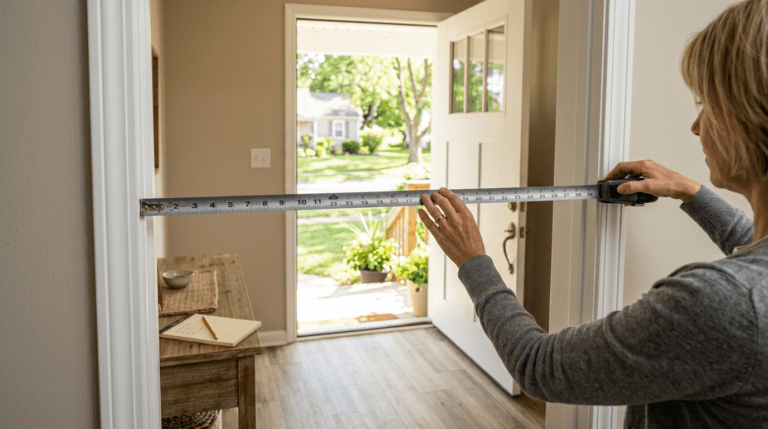
- Measure rough opening precisely, adding 1/2-inch shim space.
- Remove old frame, clean jambs, and level the base.
- Insert new frame, plumb with shims, and secure with screws through mounting fins.
- Attach sash, test tilt and turn modes, then seal gaps with low-expansion foam.
- Caulk exteriors and install trim for a finished look.
Professional vs. DIY Considerations
Professionals use laser levels for accuracy, avoiding costly adjustments. DIY suits small replacements with pre-hung units, but misaligned hinges lead to drafts. In Ohio, codes require permits for structural changes—hire certified installers to comply. These approaches balance skill levels with regulatory adherence, ensuring installations meet both practical and legal standards.
Installation Challenges and Best Practices
Common hurdles include uneven walls causing binding; solve with adjustable shims. Best practices: work in mild weather to set seals properly, and torque hinges to spec for balance. Post-install, check for level every six months. Addressing these aspects proactively helps maintain the longevity and performance of the installed windows.
Cost of Tilt and Turn Windows
Frame material drives costs: vinyl at $600 base, wood $1,200.
Pricing Factors and Estimates
Size ups price 20% per foot, custom shapes another 15%. Energy-efficient glass adds $200 but pays back in utility cuts. These elements influence budgeting decisions, allowing homeowners to weigh initial investments against ongoing benefits.
Cost Breakdown: Purchase, Installation, and Long-Term Savings
- Purchase: $500-$1,200 for standard vinyl.
- Installation: $200-$500 labor, higher for multi-story.
- Long-term: 10-15% energy savings, recouping costs in 5-7 years via lower bills.
Total upfront: $700-$2,000; ROI through durability and efficiency.
Comparison Table: Brands and Price Ranges
| Brand | Material Options | Price Range per Window (36×48 in) | Key Features |
|---|---|---|---|
| Andersen | Wood, Composite | $900-$1,600 | High energy ratings, warranties |
| Pella | Vinyl, Wood | $700-$1,400 | Easy clean hardware, custom sizes |
| Marvin | Wood, Fiberglass | $1,000-$1,800 | Durable in harsh weather, secure locks |
| Jeld-Wen | Vinyl, Aluminum | $600-$1,200 | Affordable, good for US codes |

Best Tilt and Turn Window Brands
Schuco (Germany) excels in airtight tilt and turn windows with 40-year frames.
Top European and US Manufacturers
US-based Andersen offers wood-clad for american aesthetics. Pella’s vinyl lines suit budgets, and Marvin provides composites for Ohio winters. These manufacturers deliver options that cater to a spectrum of preferences, from premium engineering to accessible pricing.
Reviews and Recommendations
Customer reviews praise Andersen for quiet operation (4.5/5 on Home Depot), while Schuco scores high on security (4.7/5 on manufacturer sites). Recommend Andersen for historic homes; Pella for new builds. Installations back all with extended service warranties. Positive feedback highlights reliability and user satisfaction across different applications.
Key Factors to Consider When Choosing Tilt and Turn Windows
Look for NFRC labels with U-factor under 0.30 and SHGC 0.25 for Ohio.
Energy Efficiency Ratings and Certifications
ENERGY STAR certification ensures rebates, cutting effective costs by $300 per window. These certifications validate performance claims, aiding informed decisions on energy-conscious selections.
Maintenance Tips for Longevity
Lubricate hinges yearly with silicone spray to prevent sticking. Clean seals with mild soap to avoid cracking. Inspect locks biannually—tighten if loose. Following these tips preserves functionality and extends the service life of the windows.
Potential for Mechanical Issues and How to Mitigate
Hinges wear from overuse; mitigate with quality brands and avoid forcing. Seals fail in extreme heat; replace every 10 years. Regular checks catch issues early, extending life to 30 years. Proactive measures like these minimize disruptions and maintain optimal operation.
Common Mistakes to Avoid When Selecting Tilt and Turn Windows
Overlook frame strength: cheap models sag under weight, causing leaks—opt for reinforced. Ignore code compliance: non-egress in bedrooms risks fines. Skip pro measurements: off sizes lead to gaps. Rush material choice: vinyl warps in sun, wood needs painting. Forget ventilation needs: tilt-only limits airflow in stuffy homes. Awareness of these pitfalls ensures selections that align with practical and regulatory expectations.
Expert Insights: Why Tilt and Turn Windows Are Gaining Popularity Worldwide

Frequently Asked Questions (FAQ)

Ready to fix your windows? Get a free quote in 30 seconds.
Family-owned, licensed & insured. Free, no-obligation quotes.