When planning a window replacement or upgrade, choosing the right window type can significantly impact your home’s comfort, aesthetics, and value. Bay and bow windows are two popular architectural features that enhance both interior space and curb appeal — but they’re not the same. While they may appear similar at first glance, their construction, function, and design impact are quite different. Understanding these distinctions will help you make the right choice for your home’s style, your lighting needs, and your long-term goals.
What Are Bay Windows?
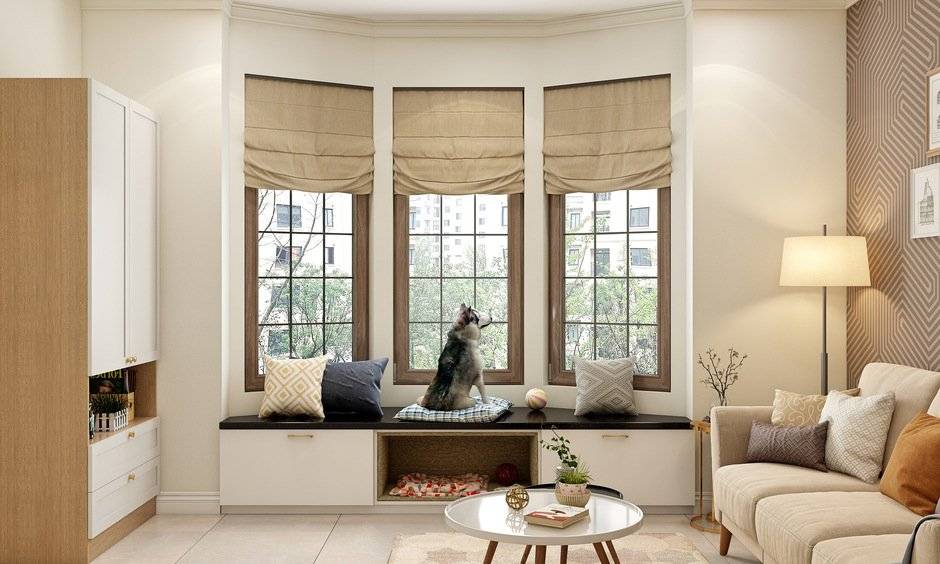
This design not only increases natural light but also creates additional interior space. Many homeowners use that space for built-in seating, reading nooks, or display areas. For example, a homeowner in Milwaukee might install a bay window in the kitchen to create a breakfast nook with more morning sunlight.
Bay windows are often used in traditional or colonial-style homes, where their defined angles and dimensionality complement symmetrical architecture.
What Are Bow Windows?
Because of the increased number of panels, bow windows allow more light into a room and offer a broader, panoramic view of the outdoors. This makes them a popular choice for living rooms and sitting areas where homeowners want to maximize light and visibility.
For instance, in a Victorian-style home in Chicago’s suburbs, a bow window might extend the parlor area while preserving the architectural charm of the façade.
Key Differences Between Bay and Bow Windows
Here’s a quick comparison:
Bay vs. Bow Windows: At a Glance
| Feature | Bay Window | Bow Window |
| Number of Panels | 3 (center fixed, angled sides) | 4 or more (uniform size, curved layout) |
| Shape | Angular, with defined corners | Soft, rounded curve |
| Light Entry | Moderate | High — more glass surface |
| Interior Space | Creates a deep nook | Creates a broader, shallower ledge |
| View | More focused, directional view | Wider, panoramic view |
| Aesthetic Style | More traditional or craftsman-style homes | Victorian, romantic, or large modern homes |
| Installation Complexity | Moderate | Higher — more framing and support needed |
| Cost | Generally more affordable | Typically more expensive |
Design Impact and Curb Appeal
Bow windows, with their graceful curve, suit larger wall spaces and homes with ornate or flowing architectural lines. Their panoramic form blends well with Victorian and Gothic styles, as well as contemporary builds that favor curves and expansive glass.
From the curb, bow windows appear more seamless and elegant, while bay windows make a bolder, more geometric statement.
How to Choose Between Bay and Bow Windows
- Your home’s architectural style: A craftsman or colonial house might benefit from the sharp angles of a bay window, while a Victorian or larger contemporary home may be better suited for the sweeping curve of a bow.
- Your goals for the space: Want a cozy window seat in your dining area? Go with a bay. Looking to brighten a living room and widen the view? A bow window is the better choice.
- Light and ventilation: Bow windows generally allow more light due to additional panels, but bay windows often include operable casements for better airflow.
- Budget and installation: Bay windows tend to cost less and are simpler to install. Bow windows require more materials and structural considerations, which increases installation time and price.
Here’s a real-world example: A homeowner in Columbus might choose a bay window for a small breakfast nook on the first floor to add space without overextending into the yard. Meanwhile, a family in Des Moines renovating a large upstairs bedroom may opt for a bow window to maximize light and provide a more expansive exterior view.

Cost, Installation, and Maintenance
Bay windows are generally less expensive, both in terms of materials and installation. Bow windows, due to their curvature and added complexity, can cost significantly more — sometimes 30–50% higher depending on size and framing needs.
Installation
Bay windows require solid structural support but are relatively straightforward. Bow windows often demand custom framing, roof overhangs, and sometimes foundation work to accommodate the extended curve.
Maintenance
Both types require regular sealing and inspection to prevent leaks. Bow windows, with more panes and joints, may need more frequent attention. However, cleaning is relatively easy, especially if tilt-in features are included.
Conclusion
For homeowners in the Midwest and beyond, choosing between these two styles ultimately comes down to your home’s design, your priorities for space and light, and your renovation budget. With thoughtful planning, either option can significantly elevate your home’s appeal — inside and out.
FAQ

Ready to fix your windows? Get a free quote in 30 seconds.
Family-owned, licensed & insured. Free, no-obligation quotes.