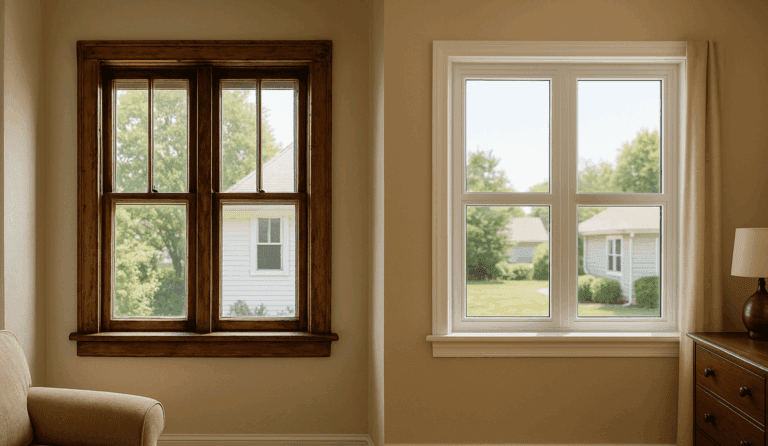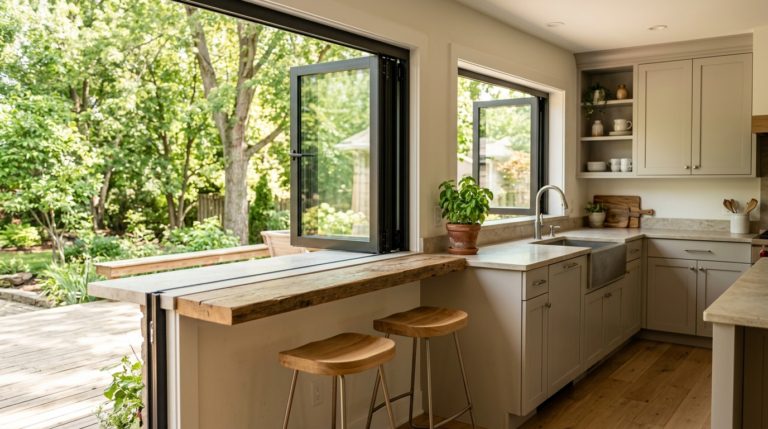

Walk down any street and you will pass a dozen window styles without naming one. Yet the type of window decides how a room breathes, how much light it gets, how easy it is to clean, and how well it holds back an Ohio winter. Knowing the differences turns a confusing catalog into a short list that actually fits your home.
This guide covers the common operating styles, the specialty and accent windows, where each type works best, and how they compare on efficiency and upkeep. If you are planning a project, our new window installation page is the companion to this overview.
Quick answer: The most common types of windows are double-hung, single-hung, casement, awning, sliding, and picture. Casement and awning windows seal the tightest for energy efficiency, double-hung and sliding offer easy everyday ventilation, and picture windows maximize light and views. The best type depends on the room, the airflow you want, and your climate.
How Window Types Are Grouped
Before the names blur together, it helps to sort windows by how they move. Almost every style falls into one of three groups, and once you see the group, the trade-offs make sense. The split is between windows that slide, windows that crank open on a hinge, and windows that do not open at all.
Sliding-action windows, like double-hung and horizontal sliders, move within the frame and are simple and familiar, though the moving sashes leave small gaps that can leak a little air over time. Hinged, crank-out windows, like casement and awning, swing outward and clamp tight against the frame, which makes them the best sealers. Fixed windows, like picture and most geometric shapes, never open, so they seal tightest of all but give up ventilation.
Keep that framework in mind as you read the styles below. Whenever you are weighing two windows, the question underneath is usually airflow versus a tight seal, and the group tells you which way a style leans.
The Most Common Window Types
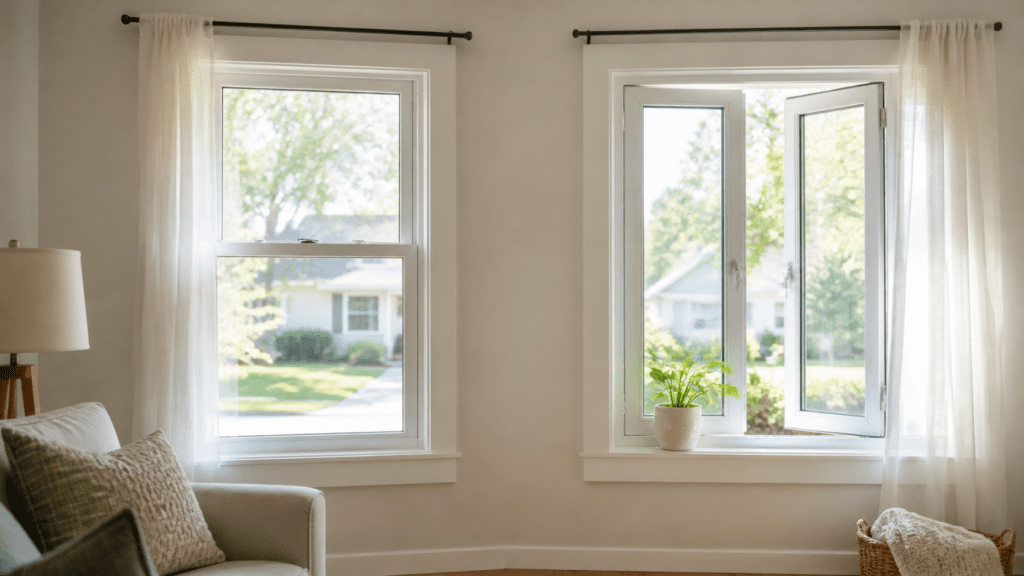
These are the workhorses you will see on most homes and in nearly every showroom. They cover the majority of rooms and budgets, and the differences come down to how they open and how much ventilation and view they give. Any of them can be ordered in vinyl, wood, or fiberglass frames.
Here is how the everyday styles compare at a glance.
- Double-hung: two sashes that slide vertically and tilt in for cleaning, the most popular and versatile style. See our double-hung window page for repair and replacement.
- Single-hung: looks like a double-hung but only the bottom sash moves, which makes it a bit cheaper and slightly tighter.
- Casement: hinged on the side and cranked outward, it seals tightest and catches a side breeze. Details on our casement window page.
- Awning: hinged at the top and cranked out at the bottom, so it can stay open in light rain. See the awning window page.
- Sliding: sashes glide horizontally, easy to operate and good for wide, low openings.
- Picture: a large fixed pane that maximizes light and view but does not open.
Window Frame Materials: Vinyl, Wood, Fiberglass, and Aluminum
Style decides how a window opens, but the frame material decides how it lasts, what it costs, and how it handles weather. The same casement or double-hung is sold in several frame materials, and that choice shapes the price and the upkeep more than most buyers expect. It is worth settling the material alongside the style rather than after it.
Each material has a clear personality. Vinyl is the affordable, low-maintenance default that insulates well and never needs painting, though you cannot change its color later. Wood gives the warmest look and excellent insulation but asks for regular sealing and can rot if water gets in. Fiberglass is strong, dimensionally stable, and paintable, which makes it a premium all-rounder, especially on larger openings. Aluminum is slim and very strong, but it conducts cold readily, so it sweats with condensation in winter.
- Vinyl: affordable, low-maintenance, and well-insulated, the most common replacement frame.
- Wood: the warmest look and great insulation, but it needs upkeep.
- Fiberglass: strong, stable, and paintable, a premium all-rounder.
- Aluminum: slim and strong, but it conducts cold and is best in milder climates.
In Ohio’s cold winters, aluminum’s habit of conducting cold and collecting condensation makes it a poor fit for most homes, which is why vinyl and fiberglass dominate local replacements.
Specialty and Accent Windows
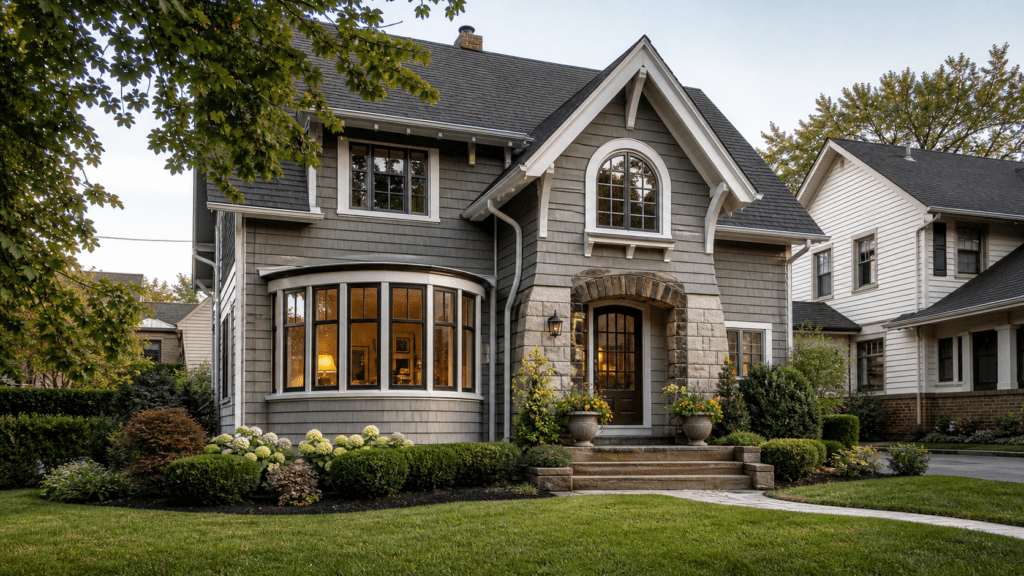
Beyond the everyday styles, a handful of windows exist to solve a specific problem or make an architectural statement. You will not put these in every room, but the right one can transform a wall or a view. Many of them combine the basic operating styles above into a single feature.
The most common accents work in pairs and groups as much as alone.
- Bay: a central fixed pane flanked by two angled side windows, projecting out to add space and light.
- Bow: a gentle curve of four or more equal windows, softer and wider than a bay.
- Garden: a small box window that juts out, often over a kitchen sink, with a shelf for plants.
- Hopper: hinged at the bottom and tilting inward, common in basements and bathrooms.
- Skylight: set into the roof to bring daylight into rooms an ordinary window cannot reach.
- Geometric: fixed arches, circles, and custom shapes used as accents above doors or other windows.
A picture window often anchors these groupings, with operable casements or double-hungs on the sides to add the ventilation a fixed pane lacks.
Which Window Type Goes Where
The smartest window choice usually starts with the room, not the catalog. Each space has a job for its windows, and matching the type to that job is what makes a home feel right. The same house often mixes several styles for exactly this reason.
Over a kitchen sink or counter, a casement or awning on a crank is easy to reach without leaning across, and a garden window adds a spot for herbs. Bathrooms favor awning or hopper windows set high, since they give privacy and ventilation even in the rain. In bedrooms and basements, the window often has to double as an emergency exit, which sets a minimum size you cannot ignore.
For living rooms and great rooms, a picture window or a bay frames the view and floods the space with light, with operable side windows for airflow. Bedrooms above the first floor lean on double-hung or sliding windows that open easily and clean from inside.
Energy Efficiency and Ohio Winters
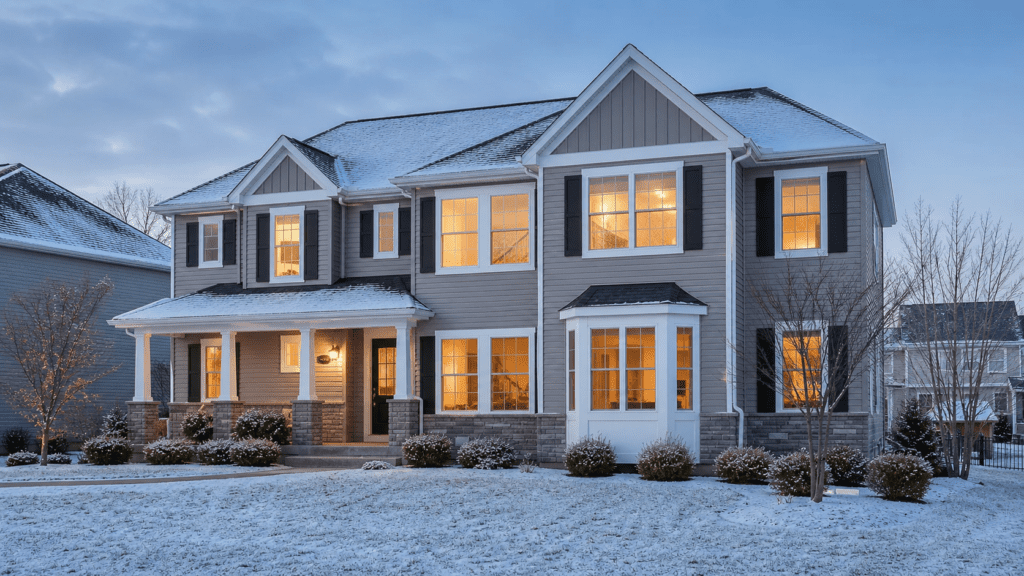
In a climate that swings from humid summers to hard freezes, how tightly a window seals matters as much as how it looks. The crank-out styles win here: a casement or awning pulls shut against a compression seal, so it leaks the least air, while double-hung and sliding windows rely on sashes that loosen slightly with years of use. Fixed picture windows seal tightest of all because nothing moves.
On Columbus replacements, the biggest winter draft complaints we hear are about old double-hung windows where the sashes have worn loose over the years. A casement of the same age usually still seals tight, because it clamps shut against the frame instead of sliding past it.
Operating style is only half the story, though. The glass package does the heavy lifting, so look for double or triple panes, a low-E coating, and an argon gas fill, which together cut heat loss far more than the frame style alone. A tight casement with single-pane glass will still feel cold, while a well-built double-hung with a good glass package performs beautifully through an Ohio January.
Egress, Cleaning, and Other Practical Factors
A few practical details decide between two windows that look equally good. The first is egress: building codes require bedrooms and finished basements to have at least one window large enough to climb out of in a fire, with a minimum opening size and a low enough sill. Not every style or size meets that rule, so it is worth confirming before you settle on a basement hopper or a small bedroom unit.
Cleaning is the next quiet factor. Double-hung and many modern windows tilt inward so you can wash the outside from indoors, a real advantage on upper floors, while casements are reachable but awnings and high accents are not. Think about who will be cleaning a second-story window before you choose.
Finally, weigh ventilation control and safety. Double-hung windows let you open just the top sash to vent heat while keeping the bottom closed around small children, and crank windows limit how far they open. Matching these habits to your household is the kind of detail that separates a window you tolerate from one you are glad you chose.
Not Sure Which Windows Fit Your Home?
With a dozen styles, several frame materials, and a glass package to weigh on top, choosing windows is easier with someone who installs them every day. Seeing the options against your own rooms and your Ohio climate takes the guesswork out of it.
Book a free, no-pressure window consultation with our Columbus-area team and get straight guidance on the styles and glass that fit your home and budget.
FAQ: Types of Windows

Ready to fix your windows? Get a free quote in 30 seconds.
Family-owned, licensed & insured. Free, no-obligation quotes.