 Reviewed by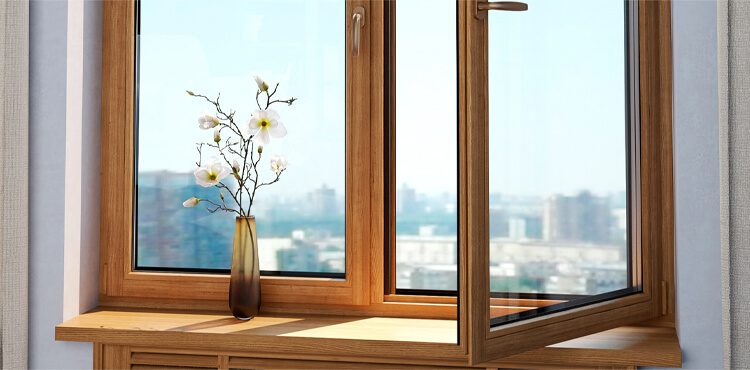
Choosing the right type of window for your home is about more than aesthetics — it’s about functionality, energy efficiency, and how the window fits into your daily life. One increasingly popular style among homeowners in the Midwest and across the U.S. is the casement window. With a sleek design and side-hinged operation, casement windows offer a blend of old-world charm and modern efficiency. In this article, we’ll explore what makes casement windows unique, where they work best in a home, and why they might be the ideal fit for your next window upgrade.
Key Takeaways
- What it is: hinged on one side, swings outward like a door via crank handle. Compression seal = best air-tightness of any operable window style.
- Cost: vinyl $400–$800 installed, wood $800–$1,400, clad-wood $1,000–$1,800, fiberglass $900–$1,500. ~10–20% premium vs double-hung.
- Best for: kitchens (above sink/counter), bathrooms (privacy + ventilation), hard-to-reach areas, energy-priority installs, modern aesthetics.
- Avoid: walkway-adjacent walls (sash blocks path), areas with A/C units below (outward swing hits them).
- Long-term: casement operator hardware fails in 15–20 yrs ($30–$80 replacement). Sash and frame typically last 25–40 yrs.
What Are Casement Windows and How Do They Work?
The simplicity of their design means fewer visual interruptions from mullions or frames, offering a clean and modern look. Casement windows are commonly made from materials like vinyl, wood, fiberglass, or aluminum, allowing homeowners to match them with various architectural styles. Thanks to their tight seal when closed, these windows are among the most energy-efficient operable window types available today.
Advantages of Casement Windows
1. Superior Ventilation
Because casement windows open completely, they allow more fresh air into the room compared to sliding or double-hung windows. Their design helps catch and direct breezes into your home, improving airflow and indoor air quality — particularly useful in spring and summer months.
2. Energy Efficiency
Casement windows seal tightly against the frame when closed, reducing drafts and energy loss. The compression seal around the sash acts similarly to a refrigerator door gasket, creating an airtight lock. This makes them ideal for homeowners looking to lower their energy bills and reduce HVAC usage.
3. Clear, Unobstructed Views
Unlike double-hung or sliding windows that have horizontal or vertical bars, casement windows offer wide, uninterrupted views. This makes them a favorite for scenic locations, backyard vistas, or simply letting in more light.
4. Easy Operation
The crank handle makes opening and closing effortless, even in difficult-to-reach spots. For example, casement windows are often installed above kitchen sinks or in bathrooms, where traditional sliding windows are inconvenient to access.
5. Enhanced Security
Casement windows are among the most secure operable windows. When closed, the hook-shaped locks embed into the frame, making them harder to force open from the outside.
Disadvantages of Casement Windows
1. Requires Clearance for Opening
Since casement windows swing outward, they need space outside to open fully. This could be an issue if you have bushes, walkways, or tight alleyways right next to your house.
2. Susceptible to Strong Winds
When open, the sash can catch the wind like a sail, putting pressure on the hinges and frame. In high-wind areas, this might require additional hardware or limit where you can install them.
3. More Expensive Than Some Alternatives
Casement windows generally cost more than single-hung or sliding windows due to their hardware and frame construction. However, their energy savings and performance may justify the investment over time.
4. Potential Maintenance of Crank Mechanism
Over time, the crank mechanism may require occasional maintenance or replacement, especially in older or heavily used windows. Our window crank replacement guide shows how to tell a worn handle from a worn operator before you order a part.
Casement vs. Other Window Types
| Feature | Casement Windows | Sliding Windows | Double-Hung Windows |
| Ventilation | Excellent (full opening) | Moderate (half opening) | Moderate (half opening) |
| Energy Efficiency | High (tight seal) | Moderate | Moderate |
| Cleaning Ease | Moderate | Easy (interior/exterior) | Easy (tilt-in design) |
| Space Needed to Open | Exterior clearance needed | No clearance needed | No clearance needed |
| Operation | Crank handle | Slide horizontally | Slide vertically |
This comparison shows how casement windows excel in ventilation and energy efficiency but require more space to open and may involve more complex hardware. Their strengths make them well-suited for specific placements where airflow and security are priorities.
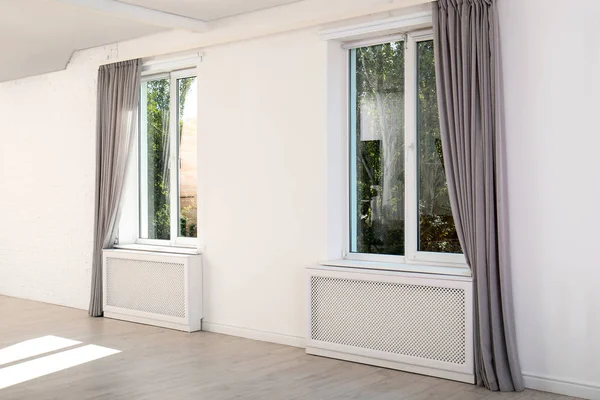
Best Locations for Casement Windows in the Home
- Kitchens – Above the sink, where leaning forward makes reaching sliding windows difficult.
- Bathrooms – For privacy and airflow; open partially without losing seclusion.
- Living Rooms – To frame scenic views and allow light into large open spaces.
- Hard-to-Reach Areas – Such as stairwells or above built-in cabinets, where the crank handle is easier to use than lifting a sash.
In homes throughout the Midwest, casement windows are commonly found above kitchen sinks. Homeowners in Columbus, for example, often choose them for second-story rooms where ease of use and ventilation are critical.
Maintenance and Care for Casement Windows
While casement windows are built for durability, regular maintenance and timely repairs help extend their lifespan and keep them operating smoothly. If the crank mechanism stiffens or hinges loosen over time, professional casement window hardware adjustment and repair restores smooth operation without replacing the entire unit. When drafts or moisture appear around the sash, targeted perimeter window sealing and caulking service prevents energy loss and frame damage.
If condensation forms between panes, it usually signals seal failure that can be resolved with specialized defogging and insulated glass restoration rather than full replacement. And when wooden components show decay, comprehensive wood window rot restoration and repair ensures long-term structural stability. These steps — along with routine cleaning and lubrication — keep casement windows operating efficiently for decades.:
- Clean the glass and frame regularly with mild detergent and water.
- Lubricate the crank mechanism annually to prevent stiffness and wear.
- Inspect weatherstripping for signs of cracking or compression and replace as needed.
- Tighten hardware and hinges periodically to maintain smooth operation and prevent rattling.
With proper care, high-quality casement windows can last 20–30 years or more, making them a smart long-term investment.
Conclusion: Are Casement Windows Right for You?
If you’re upgrading your home’s windows or designing a new build, casement windows deserve serious consideration. From kitchens to quiet corners, they provide flexibility, function, and aesthetic value in one package.
FAQ: Common Questions About Casement Windows
Quick answers to common reader questions, drawn directly from real search intents.
Yes. The locking mechanism on casement windows embeds into the frame, making them harder to pry open compared to traditional sliding windows.
Casement windows are hinged on one side and swing outward like a door, operated by a crank handle. Common in European architecture and increasingly popular in modern American homes for kitchens, bathrooms, and over-counter areas where reaching to push up a sash is awkward. They seal tighter than sliding or double-hung windows because the sash compresses against weatherstripping when closed — making them one of the most energy-efficient window styles available.
Operation: turn the crank handle clockwise to push the sash outward via a scissor-arm mechanism (called a “casement operator”). The sash hinges on one side (left or right) and swings out 90° at full extension. The lock is a multi-point system that compresses the sash against weatherstripping along the entire perimeter. To clean the exterior, fully open the sash and reach through the opening — easier than reaching outside a fixed window.
Yes for most applications: best energy seal of any operable window style (compression seal beats sliding-window brush seals 20–30% on air infiltration), unobstructed view (no horizontal sash divider), and excellent ventilation (the open sash catches breezes like a sail). Drawbacks: not ideal where outward swing hits walkways or A/C units, screens go on the inside (less common arrangement), and the casement operator can fail after 15–20 years ($30–$80 to replace).
Vinyl casement: $400–$800 per window installed for standard sizes (24″×48″). Wood: $800–$1,400. Clad-wood (Andersen, Marvin, Pella): $1,000–$1,800. Premium fiberglass: $900–$1,500. About 10–20% more expensive than equivalent double-hung windows due to the operator hardware and tighter manufacturing tolerances. Worth the premium for kitchens, hard-to-reach areas, and energy-priority installations.
Five ideal locations: (1) above kitchen sinks and counters — easy crank access vs. lifting a heavy sash; (2) bathrooms — top-quality seal for moisture control + privacy when partially open; (3) hard-to-reach high windows (with extension cranks); (4) ventilation-priority rooms (bedrooms, living rooms in non-AC homes); (5) modern architectural designs where the unobstructed pane look matters. Avoid: walkway-adjacent walls (open sash blocks path), exterior areas where outward swing hits A/C units or other obstructions.