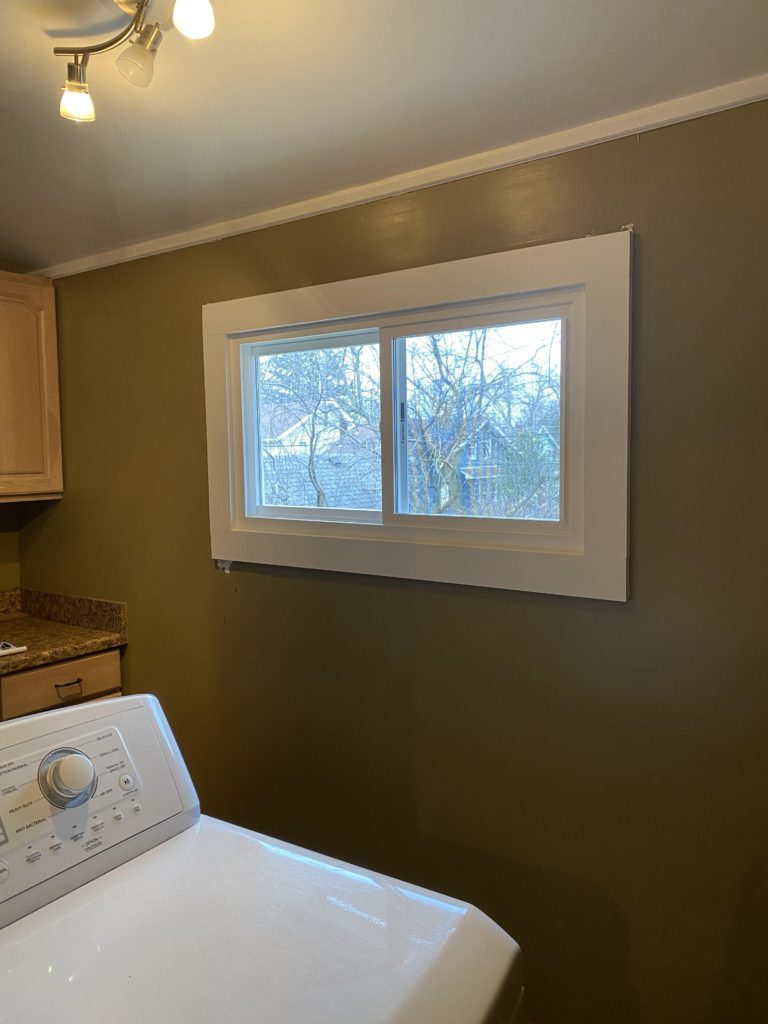
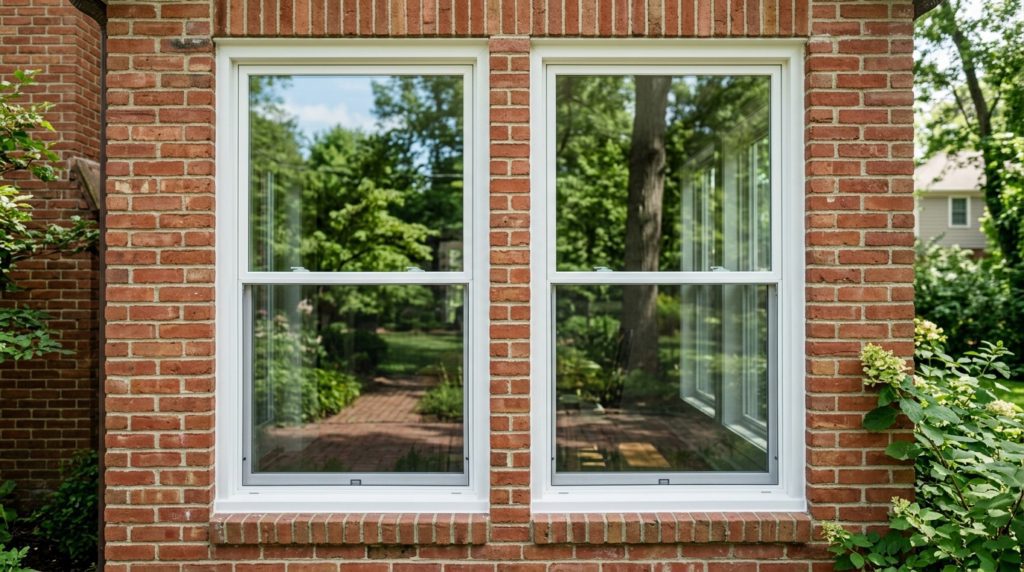
If you have priced replacement windows lately, fiberglass keeps coming up as the premium choice, and the price tag raises a fair question: is the upgrade actually worth it? The honest answer depends less on the brochure and more on how long you plan to stay in the house and what your local weather does to a window every year.
That second point matters more in Ohio than most buying guides admit. Fiberglass barely expands or contracts with temperature, and in a climate that swings from August humidity to January freeze-thaw, the frame that moves the least is the frame whose glass seal lasts the longest. This guide breaks down how these windows are made, where they beat vinyl and wood, where they fall short, and how to decide if the premium pays off. If you already know you want them, our fiberglass window installation team can walk your project.
Quick answer: Fiberglass windows cost more than vinyl but last longer, insulate slightly better, and barely move with temperature, so their glass seals tend to survive Ohio’s freeze-thaw swings. They are worth it if you plan to stay 15 years or more; for a shorter stay, quality vinyl is usually the smarter spend.
What Are Fiberglass Windows, and How Are They Made?
A fiberglass window frame is built from the same basic material as the glass it holds: fine glass fibers. Those fibers are bundled, soaked in a thermoset resin, and pulled through a heated die that cures them into a rigid, finished profile. The process is called pultrusion, a blend of pull and extrusion, and it is the reason these frames behave the way they do.
Because the fibers run continuously along the length of the frame, the cured profile is dense and dimensionally stable. It does not soften in summer heat the way some plastics do, and it does not swell or shrink much when the temperature drops. Manufacturers then cut the lengths to size and assemble them into frames, often filling the hollow chambers with foam insulation to push energy performance higher.
That manufacturing detail is not trivia. A frame made of glass fibers expands and contracts at nearly the same rate as the glass panes sealed inside it, and that shared behavior is what keeps the seal intact over decades. Hold that idea, because it explains most of the advantages below.
The Advantages That Justify the Price
Fiberglass earns its premium on a handful of measurable strengths, not on looks alone. The headline is longevity: a well-made frame commonly lasts 30 to 50 years, outliving most vinyl by a wide margin. Paired with very low upkeep, that lifespan is the core of the value argument.
The strength of the material also lets manufacturers build a slimmer frame for the same opening, which means more daylight and a cleaner sightline. Here are the benefits that actually show up in real homes.
- Long service life. Properly installed frames routinely reach 30 to 50 years, with the seals and hardware usually wearing out long before the frame does.
- Dimensional stability. The frame barely moves with heat or cold, so it does not work the glass seal loose over time.
- Solid energy numbers. The frames carry a low U-factor, and the hollow chambers can be foam-filled for extra insulation.
- Low maintenance. It will not rot, rust, or feed insects, and it cleans up with plain soap and water.
- Slim profiles, more glass. A stronger frame can be thinner, giving you a larger viewing area than a bulkier frame of the same size.
- Paintable. Unlike vinyl, the surface takes paint, so the color is refreshable years down the road.
The Drawbacks Worth Knowing Before You Buy
No window material is perfect, and this one has real trade-offs that deserve a clear look before you commit. None of them are deal-breakers for the right buyer, but they explain why vinyl still wins plenty of projects.
The biggest is simply cost, followed by a few quirks that come with a rigid, specialized frame.
- Higher upfront cost. Expect to pay a clear premium over vinyl for the same size and glass package.
- Harder to install. The frame is stiff and unforgiving of a sloppy fit, so it demands precise measuring and an experienced crew.
- Fewer makers, longer lead times. Not every manufacturer offers it, so color and size options can be narrower and orders can run slower.
- Dark colors can fade. A deep factory finish on a sun-baked wall may chalk or lighten over many years, though it can be repainted.
- Modest sound damping. On its own the frame blocks a little less noise than wood, so the glass package has to do the heavy lifting for quiet.
Fiberglass vs. Vinyl: The Comparison That Actually Matters
Most people shopping for fiberglass are really deciding between fiberglass and vinyl, since both resist rot and both skip the upkeep that wood demands. On paper the two look close, and the marketing pushes you toward the pricier option. The differences that matter come down to how each frame ages and how much it moves.
Vinyl is the value champion. It costs less, installs more easily, and a quality vinyl window still delivers solid energy numbers. Its weak spots are time and temperature: vinyl expands and contracts noticeably with the seasons, softens in extreme heat, and most lines top out around 20 to 30 years. Fiberglass costs more and asks for a careful install, but it holds its shape, carries a slightly lower U-factor, and commonly reaches 30 to 50 years.
The point buyers miss is that the frame material is only a small slice of a window’s energy rating. A fiberglass frame near a 0.20 U-factor versus vinyl around 0.30 is a real edge, but the glass package decides far more of the comfort. Where fiberglass genuinely pulls ahead is the long game: it barely moves, so it stresses the sealed glass unit less, which in a freeze-thaw climate is the difference between a seal that lasts and one that fogs early. If a unit does fog, that is an insulated glass replacement, not a whole new window.
Where Fiberglass Stands Against Wood and Aluminum
Vinyl is the usual rival, but fiberglass gets weighed against wood and aluminum too, and each comparison lands differently. Against wood, fiberglass trades some warmth and custom character for freedom from rot, warping, and repainting. Wood still offers the deepest stain and color options and a look many older Columbus homes were built for, but it asks for ongoing care that fiberglass simply does not.
Aluminum is the other side of the coin. It is strong and slim like fiberglass, but metal conducts cold straight through the frame, so on a January morning an aluminum frame can sweat or frost at the edges while the room stays humid. Fiberglass insulates far better, which matters across a long Ohio heating season. For most homeowners choosing among the four materials, the practical order reads as vinyl for value, fiberglass for longevity, wood for looks, and aluminum mainly for commercial or modern designs where thermal performance is handled another way.
Why Dimensional Stability Matters Most in Ohio
Here is the property that should drive the decision in central Ohio, and it is the one buying guides reduce to a single bullet. A window seal is not glued once and forgotten; it lives under stress every day the temperature changes. When a frame expands in the afternoon sun and contracts overnight, it tugs on the sealed glass unit it carries, and that repeated tugging is what eventually breaks the seal and lets the insulating gas escape.
Columbus and Cincinnati put frames through that cycle harder than most regions. A sunny 35-degree February afternoon can warm the outer face of a window while the night drops it back below freezing, day after day. A vinyl frame moves roughly twice as much as the glass during those swings; a fiberglass frame, made of the same glass fibers, moves almost in step with the panes. Less relative movement means less seal fatigue, which means fewer foggy windows a decade from now.
On replacement jobs around Columbus, the windows that fog first are almost never the ones with bad glass. They are the ones whose frames flexed through fifteen winters until the seal finally gave up. A frame that barely moves is quietly doing the most important job in the wall.
That is the real return on the fiberglass premium in this climate. You are not just buying a longer-lasting frame; you are buying a seal that survives more freeze-thaw cycles before it clouds. When a seal does fail, the fix is usually the glass unit alone, while a cracked or thermally stressed pane is a glass repair.
The Glass Package Does More Than the Frame
It is easy to fixate on frame material and forget that the glass is where most of a window’s comfort comes from. No frame, fiberglass included, saves you from a thin, single-coated glass package in an Ohio winter. Spending the premium on the frame and then cutting corners on the glass is the most common way a pricey window still feels cold by the sash.
For this mixed climate, the sweet spot is double-pane glass with a low-emissivity coating, an argon gas fill, and a warm-edge spacer around the perimeter. The low-E coating reflects heat back where you want it in each season, argon slows heat transfer better than plain air, and the warm-edge spacer keeps the glass edge from going cold and sweating on a frosty morning. Orientation matters too: south- and west-facing windows take the most sun and benefit from a coating tuned to limit summer heat gain.
Match a strong fiberglass frame with that glass package and you get a window that performs in both the humid summer and the freeze-thaw winter. Skip the glass details and even the best frame underdelivers. If you are weighing a full project, our team can spec the glass wall by wall during a new window installation.
Are Fiberglass Windows Worth It? How to Decide
The worth-it question has a cleaner answer once you turn it into simple math. The premium pays back through extra years of service and fewer early seal failures, so the longer you stay, the more of that value you actually collect. Run the decision through three questions instead of the brochure.
- How long will you stay? Planning 15 years or more makes the longevity worth paying for; under about 7 years, vinyl’s lower cost usually wins.
- How exposed are the windows? Sun-baked south and west walls, and windows that take the full freeze-thaw cycle, reward the more stable frame.
- What is the rest of the house worth? On a home you are restoring or holding long term, the resale appeal and lower upkeep tilt toward fiberglass.
There is no shame in choosing vinyl. For a rental, a short-term hold, or a tight budget, a well-installed vinyl window with a good glass package is a sound, efficient choice. Fiberglass earns its keep when time and weather are both on the table, which in Ohio they usually are.
Installation Is Where Fiberglass Wins or Leaks
The complaint you will read most about fiberglass is water leaking at the edges, and it is worth understanding what that really means. A rigid frame does not flex to forgive a crooked opening the way a softer material might. Drop a stiff, precise frame into an out-of-square hole without correcting it, and the gaps a flexible frame might have hidden become paths for water and air. The leak is an installation failure, not a fault of the material.
This is exactly where older Columbus housing stock complicates things. A century-old opening has usually settled out of square, and the honest fix is a full-frame replacement that takes the opening back to the rough framing so it can be re-squared, flashed, and sealed with a proper sill pan. Cutting that corner is how a beautiful window ends up with a stain under it two winters later.
It also pays to check the existing sill before anything new goes in. If a screwdriver sinks into soft wood at the corners, water has already been at work, and that rotted sill needs repair first. Fiberglass rewards a careful, full installation and punishes a rushed one. The same precision applies to fiberglass entry and patio doors, which live in the same weather.
Get the Right Window for Your House
Choosing the right window is part material, part glass package, and part installation, and the only way to get all three right is to look at your actual openings. If your home takes the full force of Ohio’s seasons, the more stable frame and a properly sealed install can save you a fogged-window headache down the road.
Get a straight, no-pressure assessment from our Columbus and Cincinnati team. Book a free window consultation and we will tell you honestly whether fiberglass, vinyl, or a glass upgrade is the right spend for your house.
FAQ: Fiberglass Windows

Ready to fix your windows? Get a free quote in 30 seconds.
Family-owned, licensed & insured. Free, no-obligation quotes.