Over a decade of restoring windows in Columbus and surrounding areas has shown how frames turn into barriers that protect families while keeping a home’s charm intact. Windows serve as the first line of defense against break-ins. This guide pulls from numerous projects where homeowners dealt with prying intruders or foggy vulnerabilities—even fog signals seal failures that weaken overall security. The content covers improving window security through targeted approaches, including window locks for home security, best window security measures, and ways to prevent window break-ins.
Why Secure Your Windows? Understanding Break-In Risks and Vulnerabilities
Burglars choose windows because glass breaks with little noise or panels slide open using minimal effort.
The Role of Windows in Home Break-Ins and Common Vulnerabilities
Double-hung sashes rise if balances wear out, creating forced entry points. Sliding tracks develop gaps or jams over time. During one Columbus project on a 1950s ranch, warped aluminum sliders opened with a flathead screwdriver, enabling smash-and-grab thefts.
Balancing Security with Fire Safety, Egress Requirements, and U.S. Building Codes (Including Ohio-Specific Regulations)
Any upgrades follow IRC Section R310 for egress windows, which require a minimum 5.7 square feet of clear opening in bedrooms for escape routes. Ohio’s building code aligns with these standards, demanding quick-release features in sleeping areas to avoid trapping occupants during fires. In a Cincinnati restoration, sash locks served as restrictors, complying with codes while blocking unauthorized lifts. Ignoring this balance leads to fines or inspection failures; consult local rules through Ohio’s Department of Commerce for amendments that address regional crime patterns and prevention strategies. Such compliance ensures that security enhancements like reinforced locks and bars do not hinder emergency exits, maintaining both safety and structural integrity in residential settings.
Benefits of Window Security: Deterring Burglars, Enhancing Family Safety, and Potential Insurance Savings
Effective measures reduce break-in chances by up to 85%, according to the National Crime Prevention Council, by slowing entry to allow time for alerts. Families benefit from added peace, with children playing without heightened concerns, and insurers such as State Farm provide 5-15% premium reductions for documented upgrades. One client in the Columbus area saved $200 annually after installing sensors; these steps offer protection alongside financial returns that maintain a home’s value and support long-term deterrence against burglars. Additional advantages include increased property resale appeal and alignment with neighborhood safety standards, fostering a sense of community-wide vigilance against common threats like opportunistic thefts.

Common Window Types and Their Unique Security Weaknesses
Vertical sliders in double-hung designs face issues from worn balances that permit upward movement, exposing interiors to forced entry.
Double-Hung Sash Windows: Vulnerabilities and Basic Reinforcement
In Ohio’s humid conditions, wood sashes expand, forming gaps for prying tools. Basic reinforcement involves anti-lift pins inserted into tracks—steel stops that halt upward shifts without changing appearances. For securing double hung windows, consider sash locks for windows that add multi-point engagement. These reinforcements, such as auxiliary pins or friction stays, provide reliable resistance to lifting forces, preserving the traditional functionality of these classic window styles prevalent in older Ohio homes.
Sliding and Casement Windows: Common Entry Points for Intruders
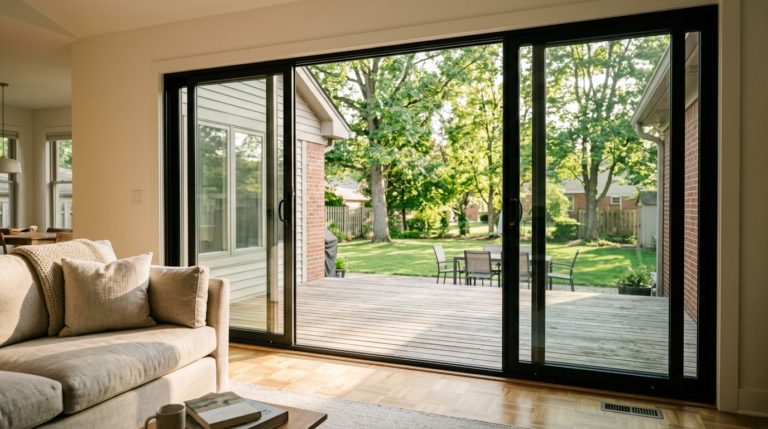
Sliders operate on tracks that loosen with age, allowing panels to shift sideways for access by intruders. Casement windows open broadly if hinges corrode. Ground-floor locations attract burglars; in a Columbus townhouse case, a sliding patio door gave way to a pry bar in seconds before track wedges reinforced it. How to secure sliding windows includes using window security bars and rods or wedges to block movement along tracks. Further enhancements, like track inserts or auxiliary latch kits, address corrosion and alignment issues, ensuring smooth operation while bolstering defense against lateral forcible entries.
Basement, Egress, and Antique Windows: Specialized Risks and Solutions
Basement hopper windows encourage crawl-ins from their compact size and limited visibility, while antique leaded glass shatters readily. Egress requirements insist on functional escape routes, so tempered glass serves as an upgrade. In a historic Dublin home, frames received laminated inserts, preserving aesthetics while enhancing shatter resistance through impact resistant glass windows. Specialized solutions for these windows often involve custom-fitted grilles or retrofit kits that comply with egress dimensions, combining historical preservation with modern security features like UV-protective laminates to prevent fading and further weakening.

Best Window Locks and Hardware for Maximum Home Protection
Keyed locks fasten tracks via twist actions, suitable for patio sliders.
Top Sliding Window Locks: Keyed, Pin, Dowel, and Security Rod Options
Pin locks fit into frame holes as economical barriers, while dowels or charley bars extend across widths to stop sliding entirely. Acrylic rods maintain visibility without blocking views—ideal for Ohio’s changing weather. Window security bars and rods provide additional deterrence by filling tracks and preventing sliders from moving.
- Keyed locks: Turn to secure, adding keyed access control for high-traffic areas.
- Pin locks: Insert easily, offering quick stops for occasional use.
- Dowel options: Wooden or metal bars that jam tracks, blocking full panel shifts.
- Security rods: Adjustable lengths for custom fits, enhancing overall track security.
These options vary in material durability, with metal variants offering superior resistance to tampering compared to plastic alternatives, ensuring long-term reliability in varying climatic conditions.
Double-Hung Sash Locks: Hinged Wedge, Folding, Keyed, and Multi-Point Systems
Hinged wedges force sashes closed, folding types store compactly. Keyed versions prevent tampering, and multi-point systems lock at top, middle, and bottom for uniform grip. In a restoration of a 100-year-old oak sash, multi-points withstood testing tools effectively. Multi-point systems, in particular, distribute force evenly across the frame, reducing stress points and integrating seamlessly with existing sash mechanisms for enhanced burglar resistance.
Secondary Locks, Bars, Grilles, and Handle Locks: Compatibility and Ratings Guide
Layer secondary devices such as surface-mounted bars atop primary locks for defense in depth—BHMA-rated for endurance. Grilles fit decorative roles but include quick-release mechanisms for compliance. Handle locks protect cranks; combine with vinyl or wood frames for broad compatibility. When selecting these, prioritize BHMA Grade 2 or higher for moderate security needs, ensuring compatibility with frame materials like aluminum or fiberglass to avoid installation complications.
Ventilating Locks and Child Safety Restrictors for Family Homes
These devices permit 4-inch vents for airflow without complete openings, essential in homes with children. Restrictors cap sash movement to avert falls, aligning with ASTM F2090 criteria. One family added them to upstairs double-hung windows, allowing ventilation alongside safety. These features also promote energy efficiency by controlling airflow, balancing fresh air circulation with the prevention of unauthorized access or accidental openings in multi-story residences.

Step-by-Step Installation Guides for Window Locks and Hardware
Here are the key points to know about Step-by-Step Installation Guides for Window Locks and Hardware.
DIY Installation for Keyed Locks on Sash and Sliding Windows
- Measure strike plates accurately.
- Drill pilot holes 1/16-inch narrower than screws.
- Position the lock and fasten with included hardware.
- Verify full engagement for secure hold.
This process takes 15 minutes per window and has guided many through workshops. DIY window security tips like these emphasize precise alignment to avoid misalignment that could weaken the setup. Additional precautions include wearing safety glasses and using a drill stop to prevent over-drilling into the frame interior.
Securing Casement and Basement Windows: Tools, Tips, and Common Pitfalls
Casements benefit from keyed crank replacements using hex drivers. Basement wells require anti-lift brackets anchored to concrete via masonry bits. Avoid overtightening, which distorts frames; limit torque to 10 inch-pounds. For basement applications, sealing around brackets with caulk adds weatherproofing, preventing moisture ingress that could undermine the hardware’s effectiveness over time.
Upgrading Screws, Lag Bolts, and Folding Latches for Added Strength
Replace standard screws with 3-inch lag bolts into studs, increasing pull-out resistance by 300%. Folding latches install flush after predrilling to guard against wood splits. Such changes protected vintage windows from breaches in past projects. Selecting corrosion-resistant stainless steel for these upgrades ensures longevity, especially in humid environments like those in Ohio, where rust can compromise fastening integrity.
Professional vs. DIY: When to Call an Expert and Cost Estimates
Simple additions under $50 suit DIY efforts, but multi-point or antique work calls for professionals at $150-300 per window, covering code reviews. Experts guarantee durability and correct past DIY seal issues. Professional assessments often include load-testing the hardware, providing peace of mind through certified installations that meet local building standards and manufacturer warranties.

Window Security Film: Installation, Costs, and Reinforcement Benefits
Interior application fuses layers similar to automotive windshields, enduring hammers or kicks for 1-5 minutes.
How Window Security Film Works: Preventing Shattering and Forced Entry
This delay prompts burglars to abandon attempts, aiding in alerting others and supporting prevention of window break-ins. The film’s tensile strength, often exceeding 200% of standard glass, creates a flexible barrier that absorbs impact energy without complete failure.
DIY Guide to Installing Security Film: Materials, Steps, and Tools Needed
Start by cleaning glass with soapy water, then wet the adhesive side before applying. Squeegee outward from the center using a utility knife and heat gun for edges. Brands like 3M or Solar Gard cover 20 square feet per roll; complete a full application in an afternoon. Window security film installation follows these steps to ensure even adhesion without bubbles. Essential materials include a spray bottle for soapy solution and microfiber cloths for residue-free surfaces, promoting optimal bonding and clarity.
Impact-Resistant Glass Upgrades and Shatter-Resistant Alternatives
Laminated or tempered panes withstand baseball impacts at 100 mph. Polycarbonate inserts adapt to current frames, also reducing UV exposure for added home value. These alternatives, such as wired glass variants, provide dual benefits of security and thermal insulation, minimizing heat loss in colder climates.
Costs and ROI: Pricing for Film, Glass, and Long-Term Durability
DIY film costs $5-10 per square foot, professional at $8-15; it endures 10-15 years. Glass replacements range $200-500 per window, with returns through insurance savings and reduced claims—recovery in 3-5 years. The cost of window security film remains low compared to full replacements, offering strong benefits of window alarms through integrated systems. Long-term durability factors in UV resistance and scratch-proof coatings, extending the film’s protective lifespan without frequent reapplication.

Electronic Window Security: Sensors, Alarms, and Smart Integration
Magnetic reed sensors activate on gaps, positioned at sash edges.
Window Sensors and Glass Break Detectors: Types, Placement, and Effectiveness
Acoustic detectors identify shatter sounds up to 25 feet away. Install in corners for optimal coverage, cutting false triggers by 70%. Glass break sensors enhance detection of breakage for swift alerts. Reed sensors, in particular, offer low-power consumption for battery-operated setups, ensuring reliable performance in remote or hard-to-wire locations.
Motion-Detecting Lights, Alarms, and Integration with Home Systems
PIR lights illuminate on detection, paired with 100dB sirens. Connect to central hubs for mobile alerts—studies show they deter 60% of approaches. Window alarms provide audible entry alerts, integrating with broader systems. Adjustable sensitivity settings on PIR devices help minimize activations from pets or wildlife, improving overall system accuracy and user satisfaction.
Benefits of Smart Locks and AI-Integrated Monitoring for Real-Time Alerts
Smart locks from August or Yale engage automatically, while AI cameras like Nest spot irregularities. Notifications reach devices in seconds, supporting checks during Ohio’s extended winters for uninterrupted monitoring. AI enhancements, such as facial recognition, add layers of verification, distinguishing between authorized family members and potential threats for more precise responses.
Compatibility with Popular Systems (e.g., Ring, ADT) and Setup Tips
Z-Wave connections unite with Ring or ADT; configure through apps and test regularly. Include battery backups against power failures; setups cost under $200 total. Setup tips include mapping signal strength for optimal hub placement and using encrypted protocols to safeguard against hacking attempts in connected environments.

Natural and Additional Deterrents to Minimize Window Access
Thorny bushes under windows, such as barberry or holly, catch potential climbers.
Landscaping Strategies: Thorny Bushes, Fencing, and Visibility Enhancers
Low fencing obstructs routes, and motion lights reveal paths. One Columbus yard shifted from shadowed to protected through these changes, acting as a visual deterrent. Strategic planting heights of 3-4 feet maximize obstruction without blocking natural light, complementing other security layers effectively.
Security Screens, Storm Shutters, and Exterior Bars: Pros and Cons
Screens resist forces, storm shutters for security fortify against weather and intrusions. Bars discourage access but require release options; advantages include clear visual barriers, drawbacks involve appearance alterations. Stainless steel screens offer insect protection alongside security, while roll-down shutters provide automated operation for convenience in storm-prone areas.
Fire-Resistant Glass and Multi-Layered Defense Approaches
Wire glass resists fire for 20 minutes; combine with film and locks for compliant, redundant protection that addresses multiple entry threats. Multi-layered strategies, incorporating sensors with physical barriers, create overlapping defenses that adapt to various intrusion methods, ensuring comprehensive coverage.
Childproofing Windows: Safety Features for Families
Guards restrict to 4-6 inches per CPSC guidelines; stops control openings.
Window Guards, Stops, and Restrictors to Prevent Falls
On a second-story installation, they halted child accidents effectively. These devices, often made from tamper-resistant materials, integrate easily with existing frames, providing dual functionality for inward security and outward fall prevention.
Safe Window Treatments: Cordless Blinds and Fall-Prevention Rules for Kids
Cordless designs use wands for lifts, eliminating strings. Establish rules against sill climbing aids. Motorized options add remote control, further reducing manual handling risks near open windows for young children.
Teaching Family Window Safety and Emergency Egress Practices
Conduct monthly drills: Identify releases and rehearse escapes. These routines foster lifesaving instincts. Involving all family members in simulations builds confidence and quick response times during actual emergencies.

Maintenance, Upgrades, and Common Mistakes in Window Security
Perform quarterly reviews: Lubricate tracks and operate locks.
Regular Inspections: Identifying Wear, Non-Locking Issues, and Vulnerabilities
Detect rust or gaps promptly to maintain integrity. Use a checklist to document findings, tracking progressive wear for timely interventions that preserve security efficacy.
When to Replace or Upgrade Locks, Hardware, and Glass
Renew if locks bind or glass fractures—hardware every 10 years. Upgrades like impact resistant glass windows extend service life. Professional evaluations can identify subtle degradation, such as hidden corrosion, guiding cost-effective renewal decisions.
Avoiding Pitfalls: Window Type Compatibility, Fire Code Neglect, and Over-Reliance on One Method
Select locks matching types; confirm code adherence; employ layered defenses since no single approach covers all risks. Diversifying methods, like combining electronic and physical deterrents, mitigates weaknesses inherent to any isolated security measure.
Cost Comparison, Best Practices, and Future Trends
Locks cost $10-50 each; films $100-300 per room; alarms $50-200; complete systems $500-2,000 for a home.
Pricing Breakdown: Locks, Films, Alarms, Sensors, and Full-System Costs
These figures support best window security measures without excessive spending. Bulk purchasing or seasonal discounts can further optimize costs for comprehensive implementations.
Top DIY Tips to Prevent Window Break-Ins on a Budget
- Insert dowels at $5 each to block sliders.
- Trim thorny bushes under windows for natural barriers.
- Add basic sensors at $20 for entry alerts.
- Apply film to high-risk glass for under $100 total.
These steps deliver significant impact through simple home window reinforcement. Prioritizing high-vulnerability areas, like ground-level exposures, maximizes the return on minimal investments.
Emerging Trends: Sustainable Security, AI Sensors, and Energy-Efficient Solutions
By 2025, solar AI detectors and low-E glass combine security with insulation—eco-friendly options that lower energy use while deterring crime. Integration of biometric access and self-healing films promises even greater advancements in proactive threat detection and material resilience.

FAQ: Essential Window Security Answers for Homeowners

Ready to fix your windows? Get a free quote in 30 seconds.
Family-owned, licensed & insured. Free, no-obligation quotes.