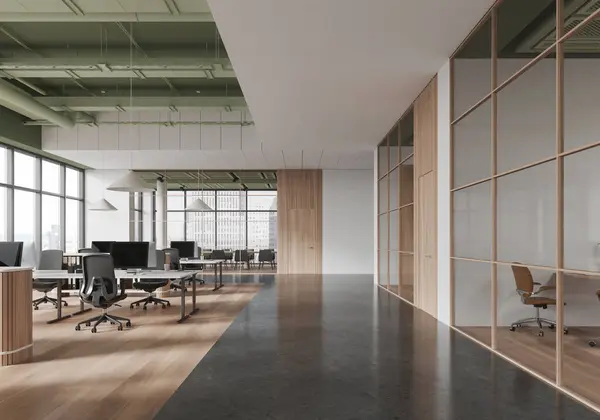

Finding the right glass cutting service transforms vague ideas into precise solutions. Whether fixing a cracked window or designing custom shelving, local shops deliver speed and expertise that online orders can’t match. This guide walks you through choosing providers, understanding costs, and avoiding common pitfalls.
What Can You Use Custom Cut Glass For? (Common Projects)
Homeowners turn to custom cutting for projects that standard sizes can’t fix.
Residential Glass Solutions
Shower doors and enclosures need precise measurements to prevent leaks; off-the-shelf options rarely fit older bathrooms. Tabletops protect wood surfaces from water rings while showcasing grain underneath. Window replacements restore insulation in single or double pane configurations, cutting energy bills by up to 15% in drafty homes. Mirrors expand small bathrooms visually when cut to fit awkward wall spaces. Shelving and cabinet doors organize kitchens without blocking light, a trick that makes galley layouts feel twice as wide.
Commercial Glass Applications
Businesses rely on glass for security and presentation. Storefront installations withstand daily use while inviting customers inside; cracked entryways lose sales. Office partitions divide teams without isolating them, maintaining collaboration across departments. Protective barriers in retail counters or restaurant ordering areas became essential after 2020, and custom sizing ensures they fit existing setups. Display cases showcase merchandise securely, with beveled edges that catch light and draw eyes to products.
Emergency Repairs: Replacing Broken Glass
Broken glass creates immediate risks. Sharp edges injure pets and children, while open frames invite weather and intruders. Local shops prioritize these jobs, often cutting replacements within hours. Tempered pieces go into doors and low windows to prevent future shattering; I’ve seen homes where a single broken pane led to $800 in damage from a burst pipe during a cold snap because the owners waited days for a generic replacement.
How to Find the Best Local Glass Cutting Service
Experience shows in portfolios.
Key Qualities of a Reliable Glass Shop
Look for galleries displaying intricate beveling or large commercial installs, not just basic cuts. Customer reviews on Google, Yelp, and Angi reveal patterns; one bad review happens, but repeated complaints about missed deadlines or poor finishing signal trouble. Equipment matters—waterjet and CNC machines produce cleaner edges than manual scoring, reducing breakage during installation. Insurance protects you if a piece shatters during delivery; unlicensed shops leave you liable. A broad service range, from simple cutting to full installation, means one call handles your entire project instead of coordinating multiple vendors.
Smart Search Strategies
Start with Google Maps to identify nearby options and read recent reviews. Request itemized quotes from two or three top-rated shops to compare pricing and turnaround times. Check websites for project galleries; shops that showcase diverse work—curved cuts, etched patterns, laminated panels—handle complexity better than those showing only straight rectangles. Ask if they measure on-site; this prevents costly errors from DIY tape measures.
Essential Questions to Ask Before You Hire
Clarify expectations upfront. What timeline fits my project? Rush jobs cost more but deliver faster. Can you provide a detailed, itemized quote? Hidden fees for edge polishing or delivery add up. What warranty covers materials and labor? Reputable shops guarantee their work for at least 90 days. Do you handle measurement and installation, or are those separate services? Bundling saves trips and ensures accountability.

The Glass Cutting Process: From Consultation to Installation
Technicians discuss your needs first—what room, what purpose, what existing frames or furniture.
Step 1: Consultation and Precise Measurement
They measure twice, accounting for thermal expansion in large panes or irregular openings in older homes. A 1/16-inch error in a shower door leaves gaps that leak; precision here prevents callbacks.
Step 2: Choosing the Right Glass Type
Annealed glass suits low-risk applications like tabletops or interior shelving. Laminated versions add a plastic interlayer that holds shards together if broken, ideal for overhead skylights or ground-floor windows. Tempered glass, heat-treated for strength, goes into doors and bathroom enclosures where safety codes require it. Patterned or frosted options provide privacy in bathrooms without blocking light. Each type affects cost and cutting methods.
Step 3: Professional Cutting & Edge Finishing
Specialized tools cut glass to specifications. Waterjet systems slice through thick laminated panels without cracking, while manual scoring works for thinner annealed pieces. Edge finishing determines safety and appearance—seamed edges remove sharpness but leave visible texture, polished edges create smooth clarity, and beveled edges add decorative angles that catch light. Shops charge 15-40% more for beveling, but it transforms utilitarian glass into design elements.
Step 4: Delivery and/or Professional Installation
Finished pieces arrive wrapped in protective padding. Installers test fit before securing, shimming frames if needed to prevent stress cracks. They caulk edges to seal against moisture and verify stability by pressing corners gently. This step catches issues before you’re left with a $300 pane that doesn’t quite fit.
Understanding the Costs of Glass Cutting
Glass type drives base costs.
Key Factors That Influence Price
Standard annealed runs $5-15 per square foot, while tempered adds 20-50% due to heat treatment. Laminated pieces cost even more because of the bonding process. Cut complexity matters—straight lines take minutes, but curves or holes for fixtures require slower, more delicate work, adding 10-30% to labor. Edge finishing escalates costs; seamed edges add little, but beveling increases prices by 15-40% depending on angle and polish. Project size affects per-unit rates; ordering ten identical shelves costs less per piece than a single custom mirror. Urgency for rush turnaround raises fees by 20-50% as shops prioritize your job over standard queues.
| Factor | Description | Typical Cost Impact |
|---|---|---|
| Glass Type | Annealed vs. Tempered | +20-50% for tempered |
| Cut Complexity | Straight vs. Curved | +10-30% for curves |
| Edge Finishing | Seamed vs. Beveled | +15-40% for beveling |
| Quantity | Single vs. Bulk | -10-25% discount for bulk |
| Urgency | Standard vs. Rush | +20-50% for rush |
How to Get an Accurate Quote
Supply precise measurements in writing—height, width, thickness. Specify glass type if known, or describe the application so shops can recommend options. Mention edge preferences and any holes or notches needed for mounting. Photos of the installation site help technicians spot potential issues like uneven frames. This detail prevents “estimate creep” where initial quotes balloon after the shop discovers complications you didn’t mention.

Types of Glass We Cut (And One We Can't)
Annealed glass, the most common type, cuts easily and suits windows, tabletops, and decorative projects.
Standard (Annealed) and Laminated Glass
It breaks into sharp shards, so avoid it in high-traffic or safety-critical areas. Laminated glass bonds two annealed layers with a plastic interlayer, holding fragments together if shattered. This makes it ideal for skylights, storefronts, or ground-floor windows where falling glass poses risks. It costs more but adds security.
Patterned, Frosted, and Decorative Glass
Textured surfaces obscure views while transmitting light. Frosted glass, created through etching or sandblasting, works in bathroom windows or office partitions where privacy matters. Patterned glass adds visual interest to cabinet doors or shower enclosures. These options cost 10-25% more than clear annealed due to production complexity, but they eliminate the need for curtains or blinds.
The Exception: Why Tempered Glass Cannot Be Re-Cut
Tempered glass undergoes heat treatment that compresses its surface, making it four times stronger than annealed. This process locks the structure; any attempt to cut it releases internal stresses, causing instant shattering into tiny cubes. Tempering happens after cutting, so custom tempered pieces require planning—you can’t trim them on-site. I’ve watched contractors learn this the hard way, ruining $400 doors by trying to shave off a quarter-inch.
DIY vs. Professional: A Quick Decision Guide
Thin annealed glass under 1/4 inch, with straight cuts and no edge finishing, suits confident DIYers.
When a DIY Approach Makes Sense (Simple, Thin Glass)
Picture frames, small shelves, or craft projects work if you own a quality glass cutter and have practiced scoring techniques. Expect breakage—plan to buy 20% extra material. Avoid tempered, laminated, or anything requiring holes; these demand professional equipment.
When to Always Call a Professional (Safety, Precision & Specialty Glass)
Thick glass over 1/4 inch requires strength and leverage that hand tools can’t provide safely. Curved cuts, beveled edges, or holes for fixtures need specialized machinery. Tempered or laminated pieces must be ordered pre-cut. Large panes risk shattering during transport without proper padding and handling. Installation in critical areas—shower doors, storefronts, overhead glazing—carries liability if done wrong. Professionals carry insurance; you don’t.
In my decade at Window Gurus, I’ve repaired dozens of DIY disasters. One homeowner tried cutting a laminated pane for a patio door and ended up with jagged edges that cracked within a week. We replaced it with properly cut tempered glass, costing him twice what the original professional quote would have been. Save DIY for projects where mistakes cost $20, not $200.

Frequently Asked Questions (FAQ)
Ready for a Perfect Cut? Get Your Free Quote
Here are the key points to know about Ready for a Perfect Cut? Get Your Free Quote.
Contact Us Today for a Free Consultation and Estimate

Ready to fix your windows? Get a free quote in 30 seconds.
Family-owned, licensed & insured. Free, no-obligation quotes.