Two homeowners on the same street can get replacement quotes that differ by thousands, and neither one is being overcharged. The price swings because a window or door estimate is built from a handful of choices and site conditions, not a flat per-unit rate. Once you know what those drivers are, a quote stops feeling like a mystery and starts looking like a list of decisions you control.
This guide breaks down what actually moves the number: frame material, window or door style, the glass package, size and quantity, how the unit is installed, and the labor behind it all. If you want a rough figure before you call anyone, our window repair cost estimator gives you a starting point in a couple of minutes.
Quick answer: Window and door replacement cost is driven mainly by frame material, the style and size of each unit, the glass package, the number of openings, and the installation method, meaning insert versus full-frame. Labor, local permits, and hidden problems like rotted sills round out the bill. An on-site quote is the only way to price it accurately.
Why Two Quotes for the Same House Differ
Every replacement quote is really three numbers added together: the product, the labor to install it, and the site conditions the crew has to work around. Change any one of those and the total moves. A builder-grade vinyl window dropped into a sound existing frame sits at one end of the range; a custom-sized wood unit that needs the whole opening rebuilt sits at the other.
Product usually gets all the attention because that is what you shop for, but on many jobs the labor and site work make up nearly half of the bill. A cheap window with a difficult install can land at the same total as a premium window dropped into an easy opening. That is why comparing two quotes by sticker price alone is misleading.
The factors below are listed in rough order of impact. None of them works in isolation, but if you understand the first three or four, you can read a quote and know which line items are worth questioning and which simply reflect the choices you made.
Frame and Door Material
Material is the single biggest lever on the product price, for both windows and doors. It sets the base cost, but it also decides how the unit ages through Ohio’s freeze-thaw cycles, which is the part that matters once the warranty math is done. A frame that needs repainting every few years or warps in a wet winter costs more over its life than the sticker suggests.
For windows, the order from least to most expensive generally runs vinyl, aluminum, composite, fiberglass, then wood, though premium lines blur those boundaries. Doors follow a similar logic across steel, fiberglass, and solid wood. Here is how the common choices compare:
- Vinyl: the most budget-friendly window frame, low maintenance, and a strong insulator. The trade-off is fewer color options and a look some historic Columbus homes fight against.
- Fiberglass and composite: mid-to-upper price, very stable in temperature swings, and paintable. A practical match for our climate because they barely expand and contract.
- Wood: the top of the range, prized for looks and common in older homes, but it needs upkeep to survive humidity and ice.
- Steel doors: strong and affordable with good security, though they can dent and conduct cold.
- Fiberglass doors: pricier than steel, low maintenance, and they mimic wood grain without the rot risk.
Window or Door Style
The style of each opening changes both the material cost and how long the install takes. As a rule, the more moving parts and glass area a unit has, the more it costs. A fixed picture window has no hardware and no operating mechanism, so it sits near the bottom; a bay or bow window is really several windows joined into a projecting frame, so it sits near the top.
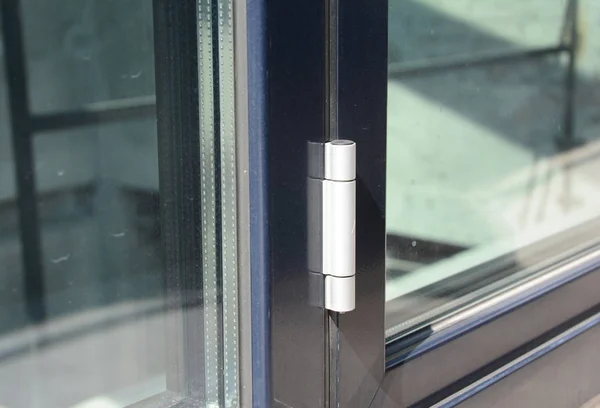
Operating windows fall in between, and the spread is real money across a whole house. A basic single-hung window, where only the bottom sash moves, costs less than a double-hung where both sashes tilt and slide. Casement windows that crank open on a hinge, along with specialty shapes, carry a premium for the hardware and the tighter tolerances they need.
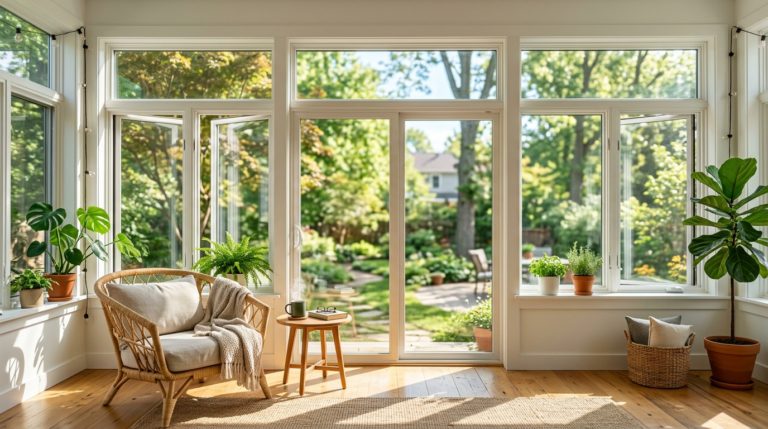
Doors follow the same pattern. A single entry door is the baseline; add a second leaf, sidelights, or a transom and both the unit and the labor climb. Sliding and French patio doors cost more than a standard entry because of their size and the precision the track or hinges demand. If you are weighing operating styles, our guide to the double-hung window covers where the extra cost goes.
The Glass Package
Two windows that look identical can be priced very differently once you open up the glass spec, and in Ohio this is where energy performance is won or lost. The glass package covers the number of panes, the coatings on them, and the gas sealed between them, and each upgrade adds cost while cutting your heating and cooling load.
Most replacement windows today use double-pane insulated glass, which is the sensible default for our winters. Moving to triple-pane adds a third layer of glass and another sealed air gap, raising the price but noticeably quieting a room and slowing heat loss on the coldest nights. Low-emissivity coatings, a microscopically thin metal layer often called low-E, reflect heat back where it belongs and are worth the small upcharge in a climate that swings from January cold to August humidity.
Other glass choices move the number too. An argon or krypton gas fill between the panes improves insulation for a modest cost. Tempered safety glass is required by code near doors, in large panes, and low to the floor, and it adds to the price wherever it applies. If your current windows are fogging between the panes, that is a failed seal rather than a reason to replace the whole unit, and a glass repair is often the cheaper fix.
Size, Quantity, and Custom Shapes
Size works on the bill in two directions. A larger window or door needs more material and stronger components to operate smoothly, so an oversized unit can cost several times what a small bathroom window does. Bigger glass is also heavier and more awkward to set, which adds labor on top of the material.
Quantity cuts the other way. The more openings you do at once, the lower the per-window price tends to be, because the crew mobilizes once and suppliers discount volume. Replacing every window in the house in a single project usually beats doing them three at a time over several years, even though the lump sum is larger up front.
Custom sizes are the quiet cost driver in older neighborhoods. Many historic Columbus and Cincinnati homes have openings that no longer match any stock size, either because the house settled or because the windows were built by hand. A made-to-order unit costs more than an off-the-shelf one and takes longer to arrive, so factor lead time into any project on an older home.
Installation Method: Insert vs Full-Frame
How the window goes in is one of the largest swings on the labor side, and it often surprises homeowners who only shopped product. There are two basic methods, and which one your house needs depends on the condition of the existing frame, not on preference.
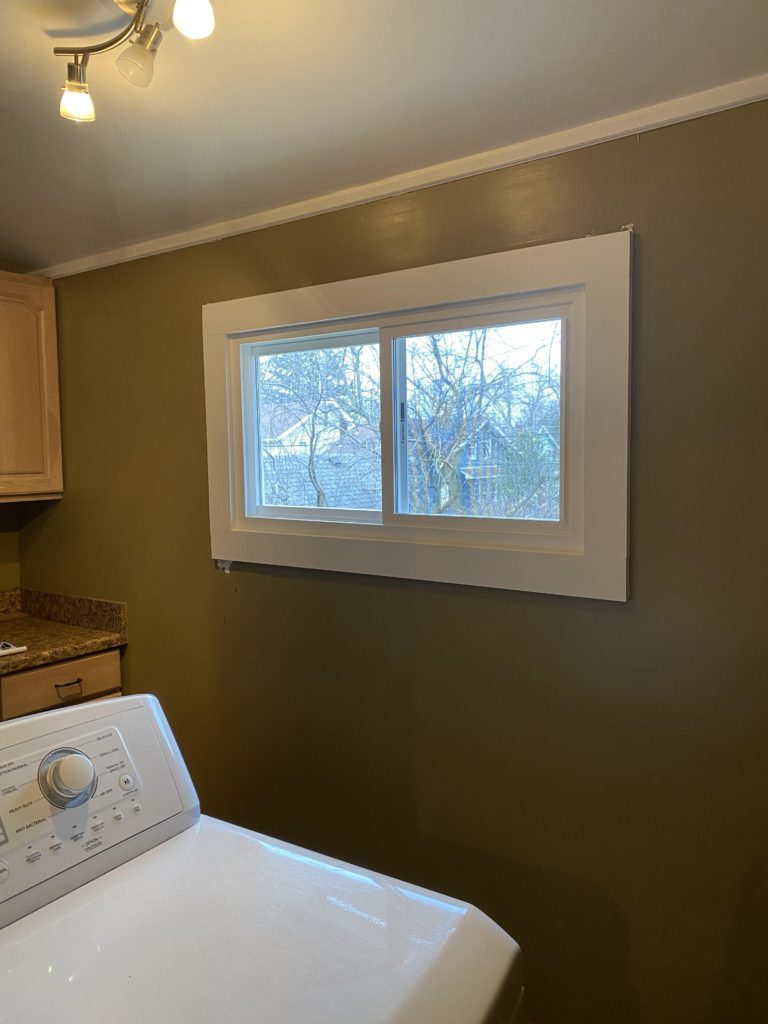
An insert, or pocket, replacement sets the new window into the existing frame and trim. It is faster, cleaner, and cheaper because the crew leaves the surrounding structure alone. It only works when the old frame and sill are solid and square, which rules it out for a lot of aging homes.
A full-frame replacement strips the opening down to the rough framing and rebuilds it. It costs more and takes longer, but it is the only honest option when there is rot, water damage, or an out-of-square opening hiding behind the trim. In older Ohio housing stock, freeze-thaw moisture has often done quiet damage to sills and jambs, so full-frame work is more common here than a glossy national average would suggest. The upside is that the crew can inspect and correct what is behind the wall while it is open.
Labor, Location, and the Costs People Forget
The product is only half the story. Labor, local rules, and the surprises a crew finds once they open a wall can shift a quote well after you have chosen your windows. Knowing these line items ahead of time keeps a fair estimate from feeling like a bait and switch.
Labor rates vary by region and by how hard the openings are to reach. A ground-floor window is quick; a tall second-story unit over a staircase needs staging or a lift, and that time shows up in the price. Permits are required for many replacements, especially full-frame work, and historic districts in cities like Columbus can mandate specific styles or materials that limit your cheaper options.
On older homes around Columbus, we budget extra for what we cannot see until the trim comes off. More often than not, a window that looks fine from inside is sitting on a sill that freeze-thaw has been rotting for years.
Then there are the easy-to-forget extras: hauling away and disposing of the old units, repairing rotted framing once it is exposed, and finishing or painting new interior trim. Reputable estimates either include these or flag them, which is why a written, itemized quote beats a number quoted over the phone. Building a modest cushion into your budget covers most of what turns up mid-project.
When Repair Costs Less Than Replacement
Replacement is not always the cheaper answer, and a good contractor will tell you when a repair makes more sense. The instinct to swap a whole window because one part failed often spends money that a targeted fix would save. The trick is matching the cost to the actual problem.
A foggy pane is a failed insulated glass seal, and replacing the glass unit costs a fraction of a new window. A sticking sash is usually a worn balance or roller, not a dead window. Rotted exterior trim can sometimes be rebuilt rather than triggering a full tear-out. These are the cases where a quick assessment pays for itself.
Replacement earns its cost when frames are rotted through, when single-pane glass is bleeding heat every winter, or when you are remodeling and want a different size or style. If you are pricing a whole-home project, our new window and door installation page explains what a full replacement involves, so you can weigh it against patching units one at a time.
Get an Accurate Number for Your Home
Every factor on this page interacts with the others, which is why an online average can only get you in the neighborhood. The real number depends on your exact openings, the condition behind the trim, and the choices you make on material and glass. A short in-home visit settles all of it.
Book a free, no-pressure window and door assessment with our Columbus and Cincinnati team. We measure, check the frames, and give you an itemized quote you can actually compare, with no obligation to buy.
FAQ: Window and Door Replacement Costs

Ready to fix your windows? Get a free quote in 30 seconds.
Family-owned, licensed & insured. Free, no-obligation quotes.