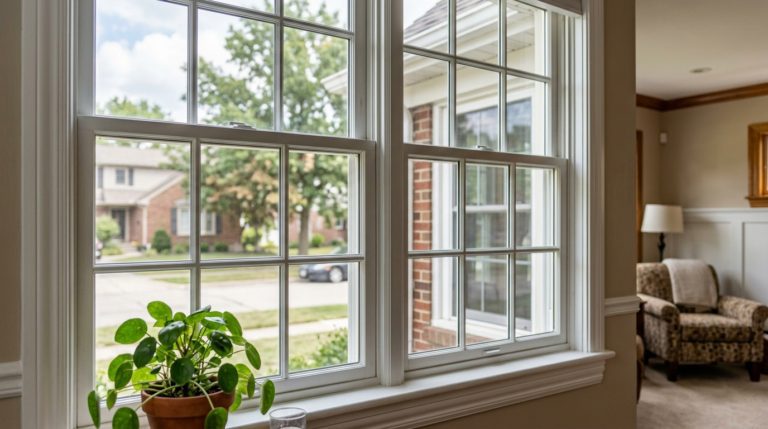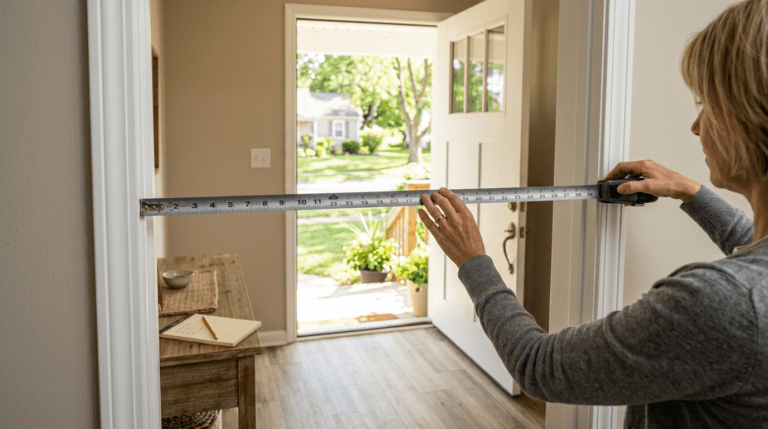
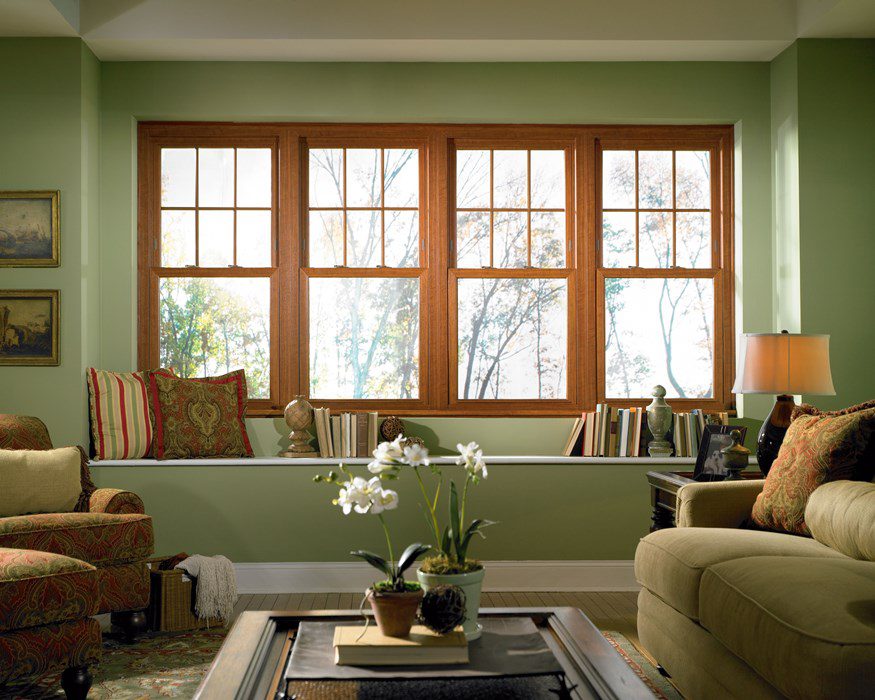
When it comes to making your home more sustainable, the windows you choose are a big deal. Think of your house as a high-tech thermos—without well-insulated windows, you’re just letting your hard-earned cash fly out. Opting for vinyl-framed windows is one of the smartest upgrades you can make. These energy-saving windows combine durability, style, and affordability in a way that’s hard to beat.
But why are these frames so special? And how can they cut energy expenses while making your home more comfortable? Let’s take a closer look.
Key Takeaways
- Top 3 for 2026: Pella 250 Series ($500–$900, U-0.27), Andersen 100 Fibrex ($700–$1,200, 30+ yr warranty), Milgard Tuscany ($600–$1,000, lifetime warranty).
- 5-spec checklist: U≤0.30, SHGC 0.25–0.40, air leakage ≤0.15 cfm/sqft, low-E + argon. Look for NFRC label and ENERGY STAR Most Efficient.
- Cold-climate keys: welded corners, multi-chamber frames (3+), U≤0.27. Avoid cheap single-chamber vinyl in Ohio winters (warp + leak in 5–10 yrs).
- Savings (Ohio): $200–$500/yr energy + 30% federal tax credit (max $600/yr) + AEP/Columbia Gas rebates ($300–$800). $10K project nets $2,500 back year one.
- Triple-pane decision: stick with double-pane unless north-facing rooms, colder than Columbus, near highway, or chasing passive-house standard. Skip in Ohio otherwise.
Understanding the Importance of Energy-Saving Windows
If windows were a character in your home’s energy story, inefficient ones would be the villain—letting drafts in during winter and cool air escape in summer. That’s why upgrading to modern vinyl systems is such a smart move. And if your existing units are still structurally sound, targeted fixes like vinyl window frame restoration or window sash alignment and repair can often restore insulation without a full replacement.
These efficient windows limit thermal transfer and keep indoor temperatures stable year-round. But when heat loss is actually coming through the glazing rather than the frame, homeowners often benefit more from double-pane glass unit service or upgrading to high-efficiency triple-pane window systems. The result is better comfort, lower HVAC strain, and noticeably reduced monthly energy costs.
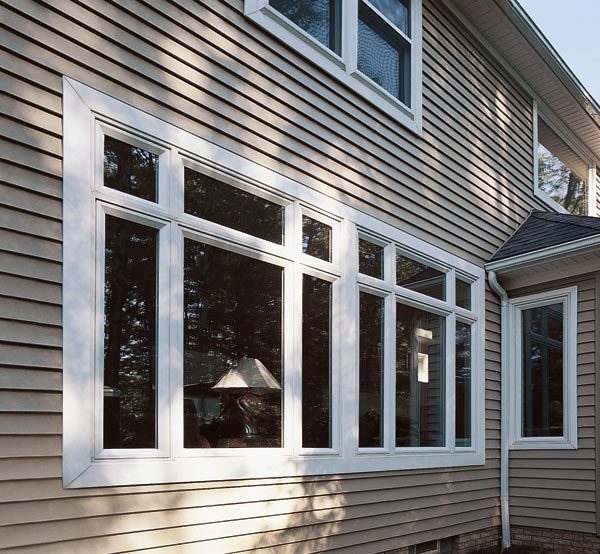
Exploring the Benefits of Vinyl-Framed Windows for Modern Homes
Why choose these frames?
- Low Upkeep: Forget annual scraping and repainting. These energy-saving options stay sleek with minimal effort.
- Weatherproofing: Thanks to advanced materials, these windows resist warping, cracking, or rotting, no matter the climate.
- Customizable Looks: With a wide variety of finishes and colors, you can match these windows to your home’s personality.
How Vinyl Windows Improve Energy Performance in All Climates
Here’s how they work their magic:
- Built-In Insulation: Vinyl frames naturally act as a barrier, reducing heat movement.
- Thermal Break Features: Modern designs include thermal barriers to keep indoor air where it belongs.
- UV Protection: Optional coatings protect against harmful sun rays, prolonging the life of your interior furnishings.
What Makes These Windows a Sustainable Choice
Why they’re an environmentally conscious pick:
- Long-Lasting Materials: Their durability means fewer replacements, reducing landfill waste.
- Energy Efficiency: By cutting down on heating and cooling needs, these windows lower overall energy consumption.
- Recycling Advances: Many manufacturers now create recyclable vinyl products, offering a second life for older windows.
If you’re estimating the cost of swapping old panes for more efficient models, try using a glass replacement cost estimator to help plan your budget before starting the project.
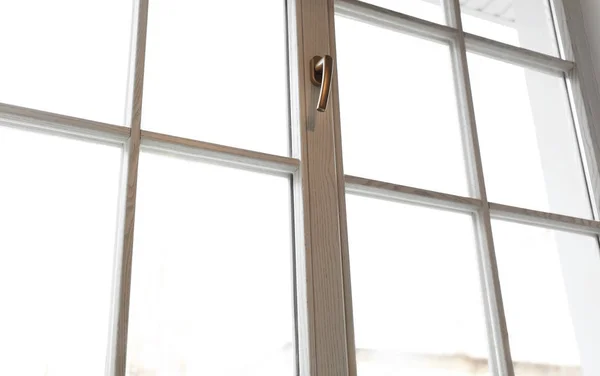
Comparing Double-Pane and Triple-Pane Vinyl Windows
- Double-Pane: Best for moderate climates, with two glass layers and insulating gas. They’re cost-effective and efficient.
- Triple-Pane: Ideal for extreme weather, offering three glass layers for extra insulation. While pricier, they significantly reduce heating and cooling costs.
How Professional Setup Enhances Efficiency
Key reasons to prioritize expert installation:
- Seamless Sealing: No gaps mean no energy loss.
- Durability: A professional setup ensures the windows last for years.
- Warranty Protection: Many manufacturers require certified installers for warranty validity.

Long-Term Care Routines to Preserve Window Efficiency
How to care for them:
- Gentle Cleaning: Wipe down frames and glass with soapy water—harsh cleaners not needed.
- Inspect Weatherproofing: Regularly check seals for wear and reapply caulking as needed.
- Lubricate Moving Parts: A touch of oil on tracks keeps everything moving smoothly.
Final Thoughts
Choosing vinyl windows for energy efficiency is like upgrading from a clunky flip phone to a sleek smartphone. It’s not just about looking good; it’s about improving performance, saving money, and making life easier. By investing in high-quality vinyl windows, you’re giving your home the upgrade it deserves—one that keeps you comfortable, your bills low, and your eco-conscience clear.
Frequently Asked Questions
Quick answers to common reader questions, drawn directly from real search intents.
Top three for 2026: (1) Pella 250 Series — U-value 0.27, ENERGY STAR Most Efficient, $500–$900 installed; (2) Andersen 100 Series Fibrex (technically composite, marketed as vinyl-grade) — U-0.27, $700–$1,200; (3) Milgard Tuscany — U-0.28, lifetime warranty, $600–$1,000. For Ohio specifically, the Tuscany or Pella 250 hit the best price-to-performance for cold winters. All three include low-E + argon as standard. Avoid bottom-tier vinyl (under $400/window) — frames are thinner and seal failure rates are 3–5× higher.
Five-spec checklist: (1) U-value ≤ 0.30 (lower = better insulation, ENERGY STAR threshold); (2) SHGC 0.25–0.40 for mixed climates (lower for cooling-dominant regions); (3) air leakage rating ≤ 0.15 cfm/sq ft; (4) low-E coating included (almost universal in 2026 but verify); (5) argon or krypton gas fill in IGU. Look for the NFRC label and ENERGY STAR Most Efficient designation. Don’t over-spec triple-pane unless your climate justifies it — for most Ohio homes, double-pane low-E + argon is the sweet spot.
Three contenders: (1) Andersen 100 Series — Fibrex composite (vinyl-like) with 30–40 year warranty, the most durable mass-market option; (2) Milgard Tuscany — lifetime transferable warranty, premium dual-seal IGU; (3) Pella 250 Series — 10-year glass warranty, robust multi-chamber frames. Cheap vinyl ($300–$400/window) typically fails in 15–20 years from frame warping or seal failure. Premium vinyl ($600–$1,200) lasts 25–35 years. The warranty length is the best durability proxy: 5 years = budget tier, 20+ years = premium.
Yes — modern multi-chamber vinyl frames perform comparably to fiberglass and clad-wood in cold climates. The key spec: choose vinyl with welded (not mechanically fastened) corners, multi-chamber profile (3+ air chambers in the frame), and U-value at or below 0.27. Avoid cheap single-chamber vinyl in Ohio winters — these can warp, contract, and develop perimeter air leaks within 5–10 years. Premium brands (Pella, Andersen, Milgard) handle Ohio’s freeze-thaw cycles well; budget brands are a gamble.
Replacing single-pane or pre-2000 double-pane with ENERGY STAR vinyl: $200–$500 per year on heating + cooling for a typical 2,000 sq ft Ohio home (12–15 windows). Federal tax credit covers 30% of cost up to $600/year. Utility rebates from AEP Ohio or Columbia Gas can add $300–$800 in incentives. Total: $10,000 project nets ~$2,500 back in year one through tax + rebates, plus $200–$500 annual savings. Payback period: 8–14 years on energy savings alone, faster with rebates.
For most Ohio homes: double-pane with low-E + argon is the sweet spot ($500–$900/window). Triple-pane upgrade ($800–$1,500/window) makes sense for: north-facing rooms, homes in colder climates than Columbus (Minnesota, Wisconsin), high-noise environments (highway proximity), or homes targeting passive-house energy standards. The 30–50% extra cost adds 10–15% energy efficiency in mild-to-cold climates — not enough to pay back in 20 years on energy alone. Skip triple-pane in Ohio unless one of the four use cases applies.

Ready to fix your windows? Get a free quote in 30 seconds.
Family-owned, licensed & insured. Most quotes delivered the same day.