Family Owned & Operated Business

4730 Kenny Rd. Columbus OH 43220

windowrepair@window-gurus.com
Caulking
πŸ“– Glossary Term

Caulking

A flexible sealant applied to joints and gaps around windows (and other building elements) to prevent air and water infiltration.

2 min read Β· Updated March 2026
Definition

A flexible sealant applied to joints and gaps around windows (and other building elements) to prevent air and water infiltration.

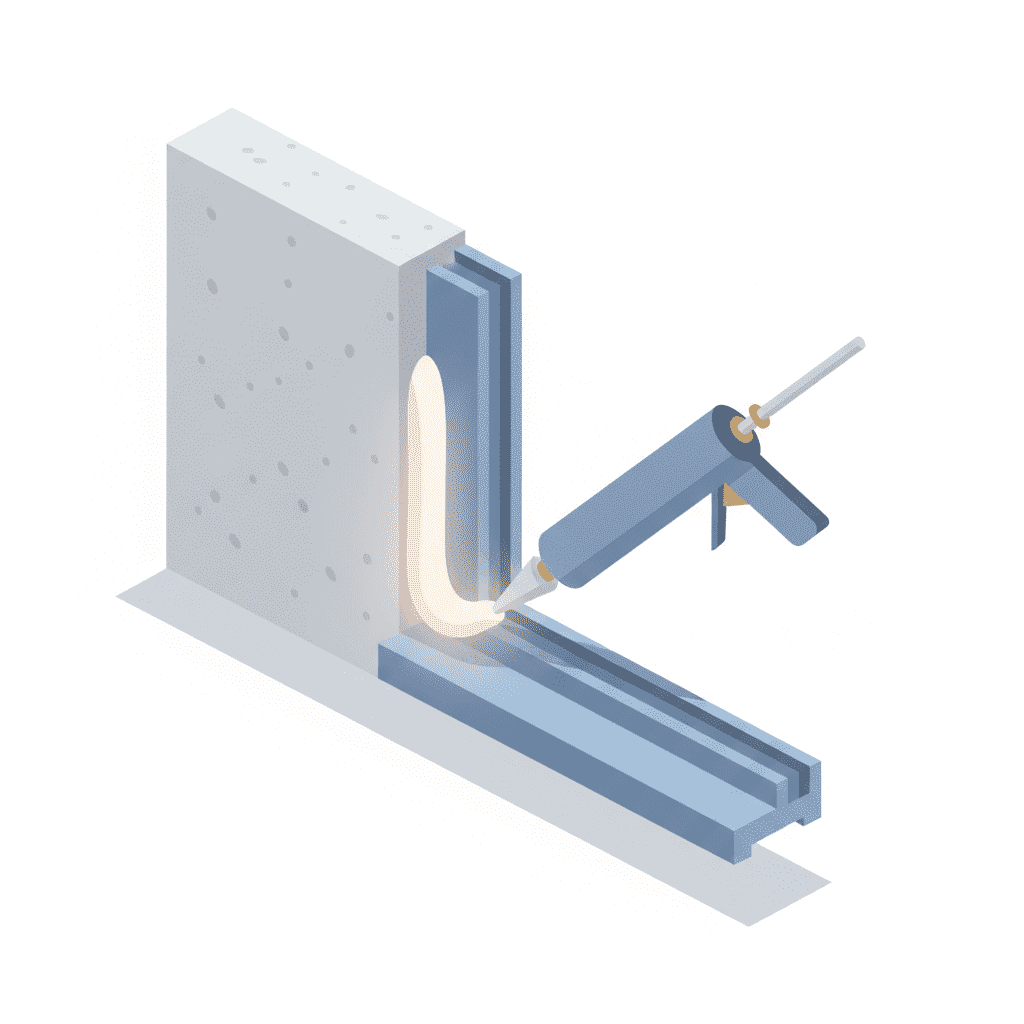
Caulking (also called caulk) is a flexible, waterproof sealant used to fill and seal gaps between a window frame and the surrounding wall surface. Properly applied caulk is one of the cheapest and most effective weatherization measures available β€” a $5 tube of caulk applied around a leaky window can reduce drafts as effectively as adding insulation.

Types of Window Caulk

  • Silicone β€” the gold standard for exterior window joints. Excellent adhesion to glass, metal, and vinyl; highly flexible; waterproof; 20–50 year lifespan. Cannot be painted. Best for: frame-to-glass joint and exterior frame-to-siding joint.
  • Siliconized acrylic (latex) β€” paintable, easy cleanup with water, flexible. Lifespan 10–15 years. Best for interior joints and anywhere you need to paint over the caulk.
  • Polyurethane β€” strongest adhesion, excellent for large gaps, paintable. More rigid than silicone; harder to tool. Best for gaps larger than ΒΌ inch.
  • Butyl rubber β€” extremely waterproof; used in flashing and behind window flanges during installation.

Where to Caulk Around Windows

  • Exterior: all four sides where the window frame meets the siding or trim
  • Exterior: joint between window trim boards (at corners)
  • Interior: joint between window casing and wall (for air sealing and appearance)
  • Do NOT caulk the bottom exterior sill-to-siding joint β€” this is a weep area that must drain

Signs Caulk Needs Replacement

Inspect window caulk annually. Replace it when you see: cracks, gaps, shrinkage from the surface, peeling, or discoloration indicating mold. Failed exterior caulk can allow water to enter the wall cavity, causing insulation damage and structural rot far more expensive than a $5 tube of caulk.

Application Tips

For a clean job: cut the nozzle at 45Β° to a 3/16-inch opening, apply in a continuous bead, tool immediately with a wet finger or caulk tool, wipe excess with a damp cloth. On exterior joints, apply only when temperature is above 40Β°F and no rain is forecast for 24 hours.

Aleksandr Kubai β€” Field Technician at Window Gurus
Aleksandr Kubai
Field Technician, Window Gurus
πŸ› οΈ 10+ years experience πŸ“ Columbus, OH
Call: +1 (614) 683-9800
Need Window Repair Services?

Contact us now for a free estimate and take the first step toward repairing your windows!

+

Please leave your contact details.
The manager will contact you shortly.

Call Book Google Maps