
- Services
- New Installation
- Reviews
- Projects
- About Us
- Contacts
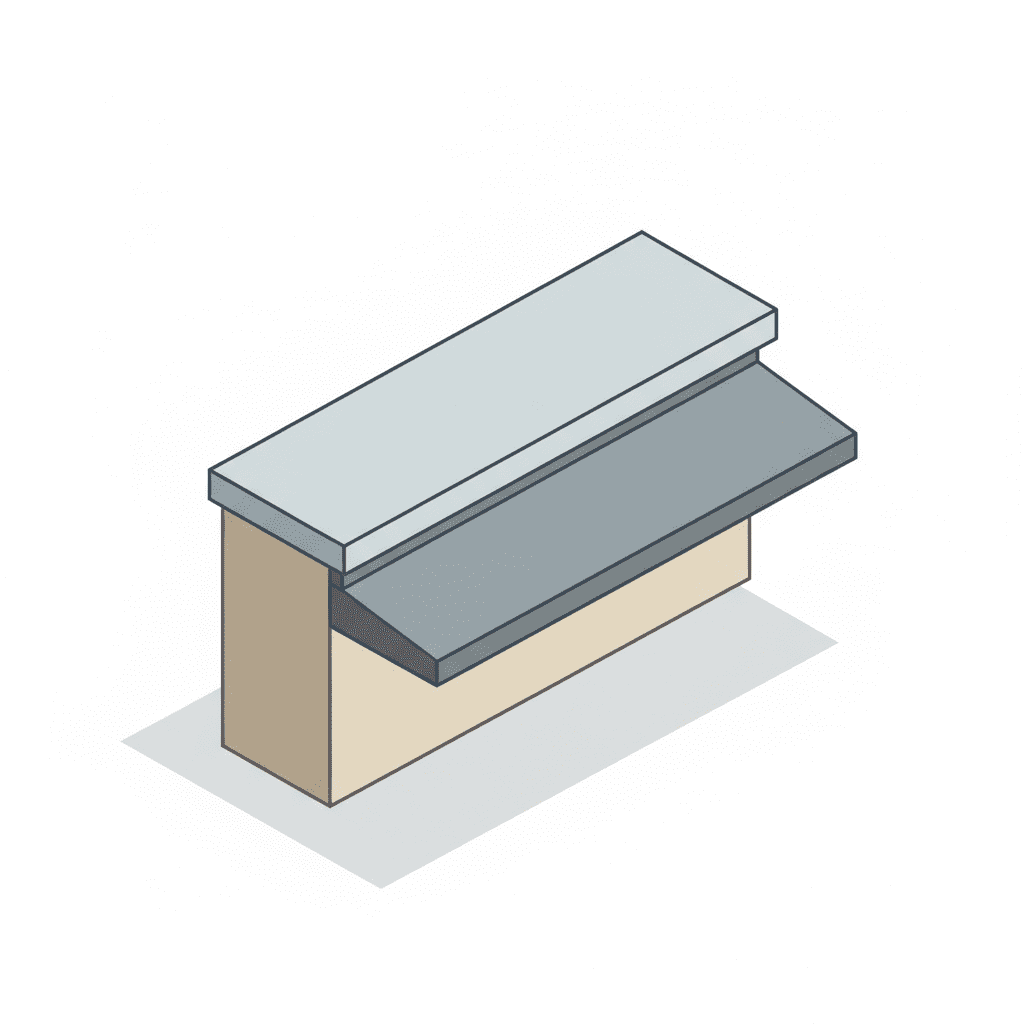
The horizontal shelf at the bottom of a window frame that sheds water away from the wall — the most water-exposed and rot-prone component of a wood window.
The horizontal shelf at the bottom of a window frame that sheds water away from the wall — the most water-exposed and rot-prone component of a wood window.
The window sill (also called the window stool or bottom rail) is the bottom horizontal member of the window frame. On the exterior, it is sloped slightly outward to drain rainwater away from the wall. On the interior, it often extends past the window frame to form a decorative shelf. Because it sits at the base of the window and catches runoff, the sill is the most frequently damaged part of a wood window.
Many homeowners use “sill” to mean the interior shelf where you might place a plant. Technically, that’s the stool (a finish carpentry piece). The true sill is the structural exterior piece with the outward slope (called the wash) that drains water. Both matter for weatherproofing and aesthetics, but the exterior sill is the structural concern.
For rot that has not penetrated more than 1/3 of the sill depth, a two-part epoxy repair is a durable and cost-effective fix:
Professional epoxy sill repair typically costs $100–$250 per window. Full sill replacement runs $200–$500 depending on material and window size.

Contact us now for a free estimate and take the first step toward repairing your windows!
Please leave your contact details.
The manager will contact you shortly.

