
- Services
- New Installation
- Reviews
- Projects
- About Us
- Contacts
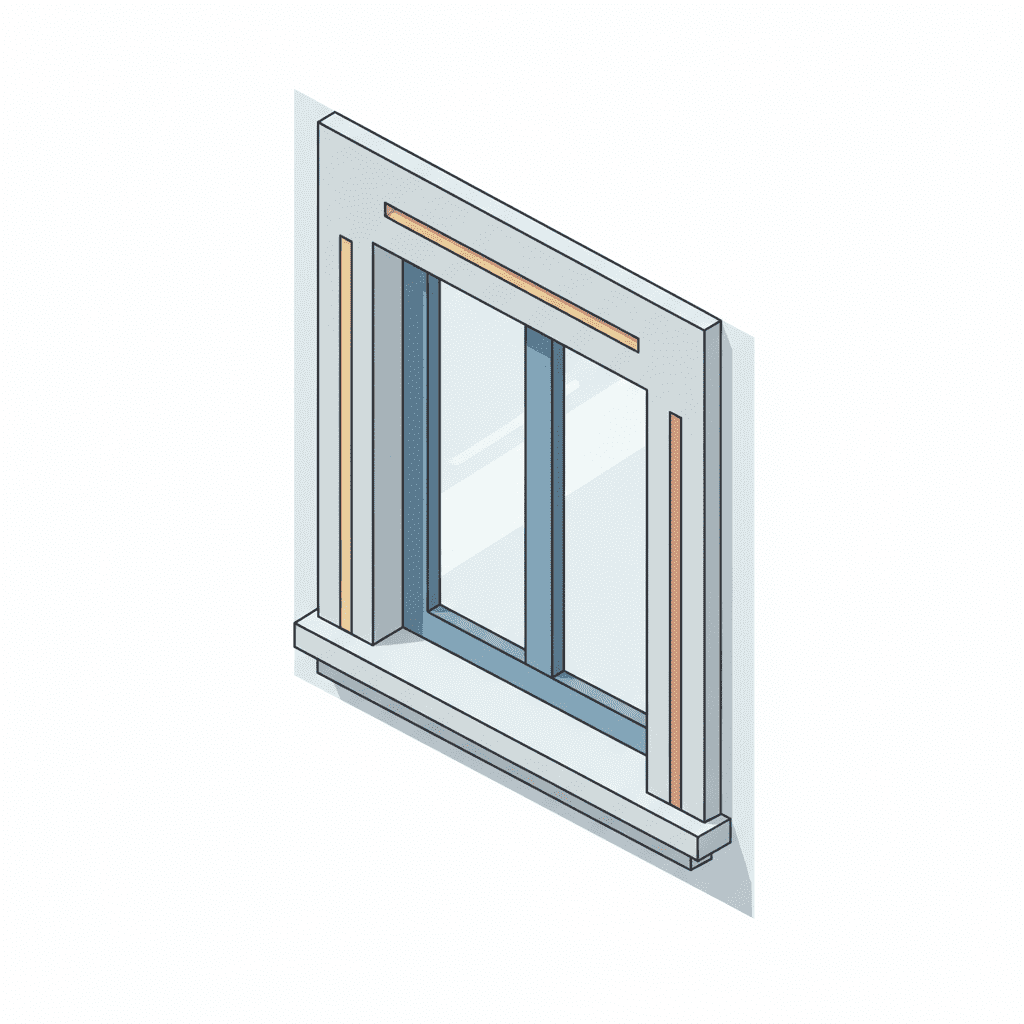
The decorative trim molding applied around the interior (and sometimes exterior) perimeter of a window frame to conceal the gap between the frame and the finished wall surface.
The decorative trim molding applied around the interior (and sometimes exterior) perimeter of a window frame to conceal the gap between the frame and the finished wall surface.
Window casing is the finish trim that covers the joint between the window frame (or jamb extension) and the surrounding drywall or plaster. On the interior, it serves both a functional purpose (hiding the rough gap at the frame edge and any shims) and an aesthetic one (providing a finished, architectural appearance that ties the window to the room’s trim style). Exterior casing serves similar roles outside, where it also provides a substrate for caulking at the siding joint.
Casing profiles run from simple to elaborate:
Interior casing damage is common around windows: paint cracking at the miter joints (top corners), wood rot on exterior casing from failed caulk, and nail pops where the trim has shifted. Miter joint failures can be re-glued and filled. Rotted exterior casing sections can be replaced in-place without disturbing the window. Cost for professional casing replacement: $50–$150 per window depending on profile and paint.

Contact us now for a free estimate and take the first step toward repairing your windows!
Please leave your contact details.
The manager will contact you shortly.

