
- Services
- New Installation
- Reviews
- Projects
- About Us
- Contacts
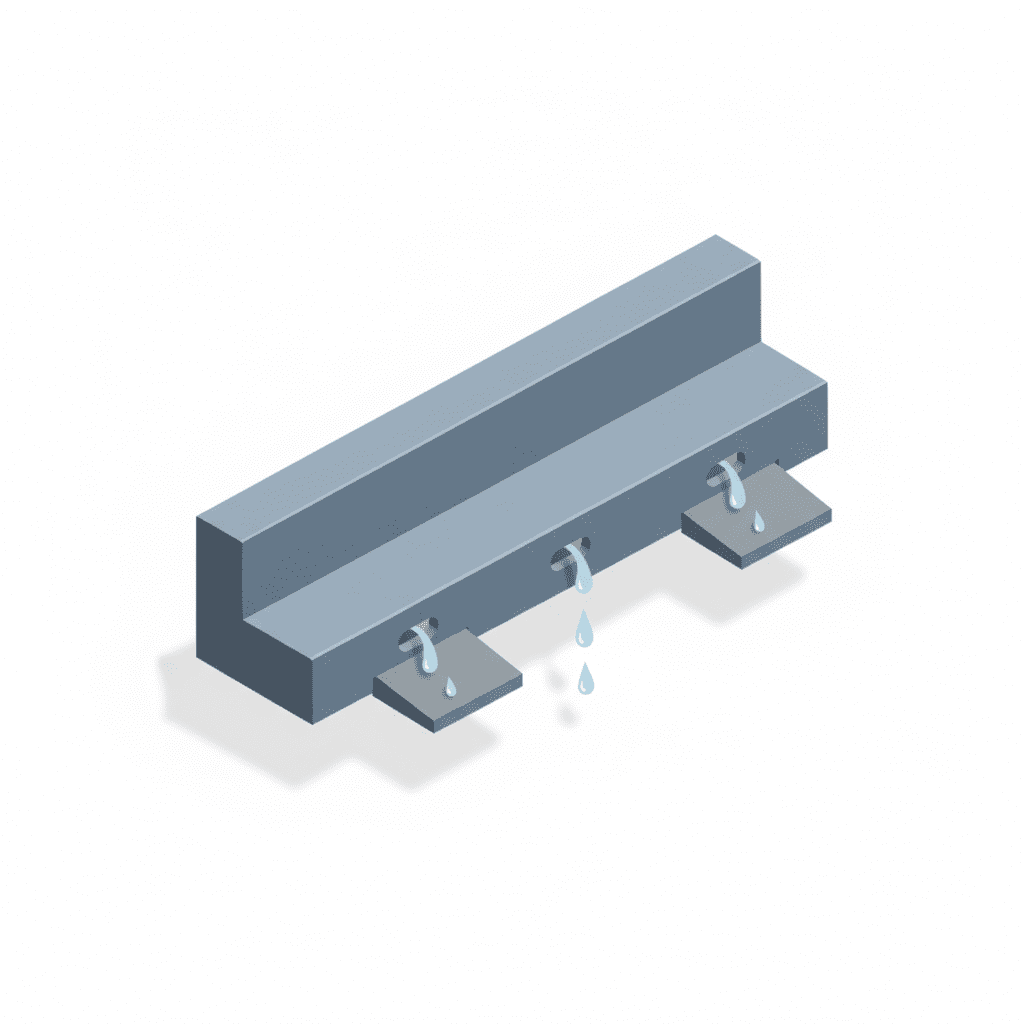
Small drainage openings at the bottom of window frames and sills that allow any water that enters the frame cavity to drain out rather than accumulate and cause rot or mold.
Small drainage openings at the bottom of window frames and sills that allow any water that enters the frame cavity to drain out rather than accumulate and cause rot or mold.
Weep holes are small openings — typically slots or round holes 3–6mm wide — located at the bottom of a window frame, usually on the exterior face of the sill. They serve one critical function: drainage. When water enters the window frame cavity (from condensation, wind-driven rain, or through the glazing gaskets), weep holes provide an exit path so the water drains out instead of pooling inside the frame where it can cause damage.
A vinyl or aluminum window frame is essentially a hollow extrusion. During wind-driven rain, water can enter through the gaps between the glass, gasket, and frame. Without weep holes, this water has nowhere to go and accumulates in the sill track. Over time this causes:
Weep holes can become blocked by: paint overspray, debris (insect nests, dirt), or overly aggressive caulking by homeowners who mistake them for gaps to seal. A blocked weep hole is a common cause of water infiltration complaints in otherwise sound windows. Inspect them annually and clear with a thin wire or toothpick if needed.
Never caulk weep holes. They are intentional drainage points, not errors in the installation. A homeowner who caulks weep holes to stop wind noise (the holes can whistle slightly in high winds) may end up with a water-damaged window frame within a few years. If wind noise is a problem, weep hole covers — small plastic baffles — allow drainage while reducing noise.

Contact us now for a free estimate and take the first step toward repairing your windows!
Please leave your contact details.
The manager will contact you shortly.

