
- Services
- New Installation
- Reviews
- Projects
- About Us
- Contacts
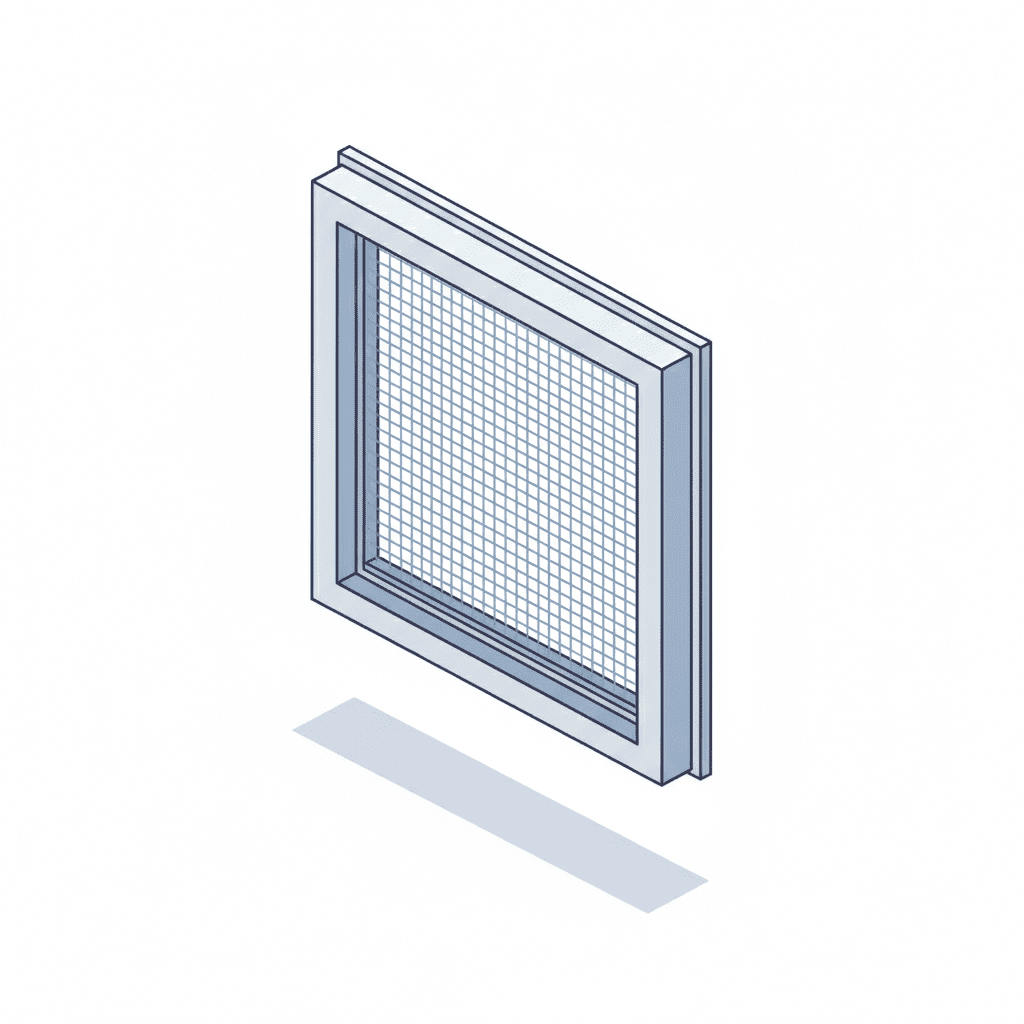
A mesh panel fitted in the window opening that allows air ventilation while blocking insects, debris, and some UV radiation.
A mesh panel fitted in the window opening that allows air ventilation while blocking insects, debris, and some UV radiation.
A window screen is a frame fitted with a fine mesh — usually fiberglass or aluminum — that installs in the window opening to allow fresh air in while keeping insects, leaves, and debris out. Most double-hung and single-hung windows have screens that cover either the lower half or the full opening depending on the window style.
Re-screening a standard window is a common DIY project. Mesh rolls cost $15–$30 for a 25-foot roll. Spline and a spline roller tool add another $5–$10. Professional re-screening typically costs $20–$60 per screen including labor and materials.

Contact us now for a free estimate and take the first step toward repairing your windows!
Please leave your contact details.
The manager will contact you shortly.

