Family Owned & Operated Business

4730 Kenny Rd. Columbus OH 43220

windowrepair@window-gurus.com
Window Flashing
๐Ÿ“– Glossary Term

Window Flashing

Thin sheets of waterproof material (metal, membrane, or tape) installed around a window opening during construction to direct water away from the wall structure and prevent water infiltration.

2 min read ยท Updated March 2026
Definition

Thin sheets of waterproof material (metal, membrane, or tape) installed around a window opening during construction to direct water away from the wall structure and prevent water infiltration.

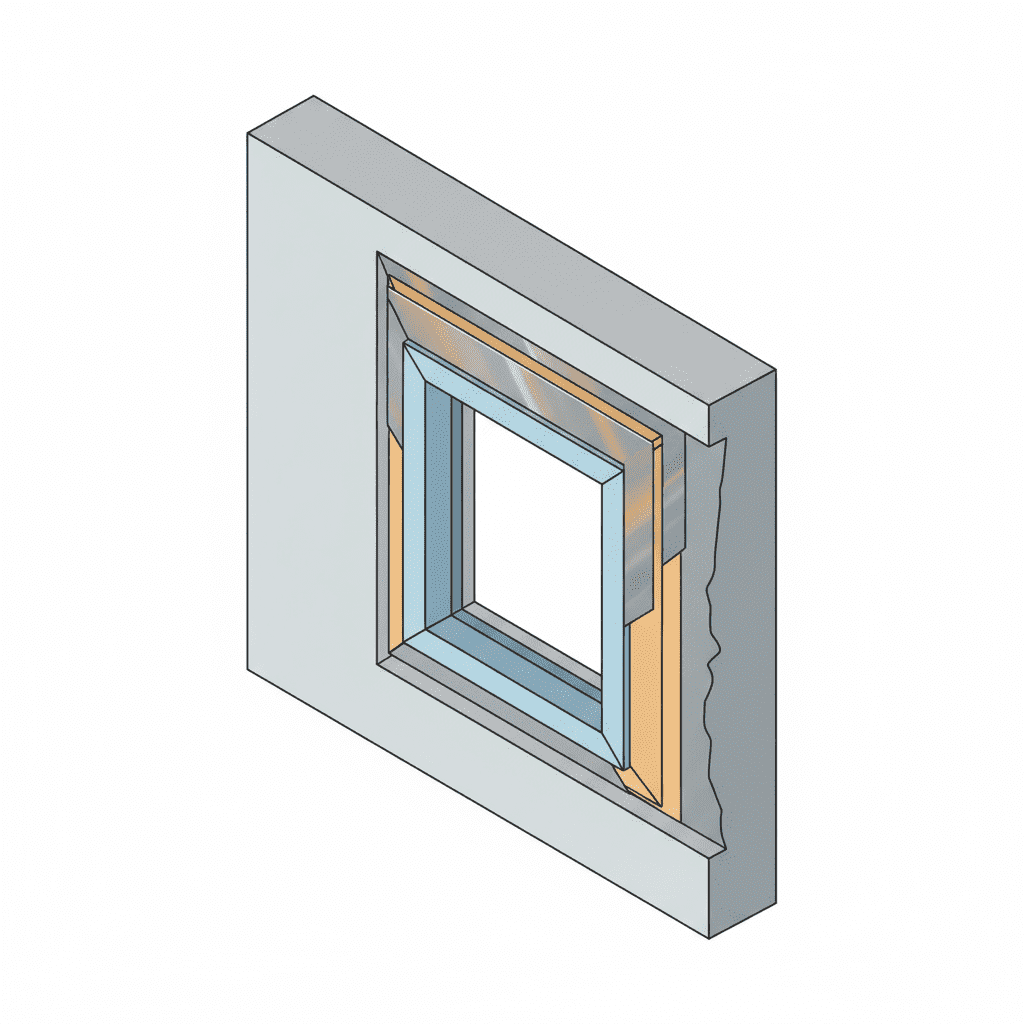
Window flashing is the waterproofing layer installed around the perimeter of a window opening during installation. Its purpose is to create a drainage plane that directs any water that gets past the exterior cladding (siding, stucco, brick) down and out of the wall, rather than letting it enter the wall cavity where it can cause rot, mold, and structural damage.

Types of Window Flashing

  • Self-adhering membrane (peel-and-stick) โ€” the most common modern method; a butyl or asphalt-impregnated sheet with an adhesive backing. Applied directly to the sheathing around the rough opening before the window is set. Brands include Vycor, Flexwrap, and similar.
  • Aluminum or galvanized steel flashing โ€” sheet metal formed to fit over the top (head) of the window and under the sill. Used on masonry construction and under trim boards.
  • Sill pan flashing โ€” a formed or taped pan at the bottom of the rough opening that catches any water that gets through the window-to-siding joint and drains it outward. The most critical piece of window flashing.
  • Flashing tape โ€” pressure-sensitive seam-sealing tape (typically 4โ€“6 inches wide) used to seal the nail fin of a window to the house wrap or sheathing.

Why Flashing Fails

Window flashing failures are the leading cause of water-related wall damage in residential construction. Common causes:

  • Improper installation sequence (flashing applied in wrong order)
  • Sill pan omitted or improperly sloped (no outward drainage)
  • Flashing tape not fully adhered, especially at corners
  • Membrane flashing applied in cold weather (adhesion fails)
  • Caulk used as a substitute for proper flashing (caulk eventually fails)

Signs of Flashing Failure

Water stains on interior walls below or beside windows, peeling paint on exterior siding near windows, soft or spongy wall sheathing visible when trim is removed, and mold smell near windows are all signs that flashing has failed. Repairing flashing typically requires removing and reinstalling the window โ€” it cannot be done from the outside without disturbing the siding.

Aleksandr Kubai โ€” Field Technician at Window Gurus
Aleksandr Kubai
Field Technician, Window Gurus
๐Ÿ› ๏ธ 10+ years experience ๐Ÿ“ Columbus, OH
Call: +1 (614) 683-9800
Need Window Repair Services?

Contact us now for a free estimate and take the first step toward repairing your windows!

+

Please leave your contact details.
The manager will contact you shortly.

Call Book Google Maps