Frame color is the one window choice you live with every day, from both sides of the glass, for the next twenty years. It sets your curb appeal, ties the windows to your siding and roof, and quietly shapes how a room feels inside. Yet most people decide it in a showroom under bright white light, then regret it the first gray morning at home.
The good part is that a few simple rules take most of the guesswork out. This guide covers how to read the colors your house already has, how to pick exterior and interior shades that can differ, and the one factor brochures skip: in an Ohio climate the color you choose is really a decision about frame material. If you are weighing colors as part of a new window and door installation, it is worth getting this right before you order.
Quick answer: Choose a window color by starting with the fixed colors of your home, the siding, brick, and roof, then deciding whether to match them for a calm look or contrast them to make the windows stand out. White and bronze suit most homes; black is bold but needs a fade-resistant material. Pick the interior shade separately to suit your rooms.
Why Window Color Is a Bigger Decision Than It Looks
A window is a large, repeated rectangle on every wall of the house, so its frame color does a lot of visual work. The right shade pulls the siding, trim, and roof together into something that looks designed. The wrong one leaves the facade feeling busy or flat, even when every other detail is fine. Buyers notice it from the curb before they notice anything else.
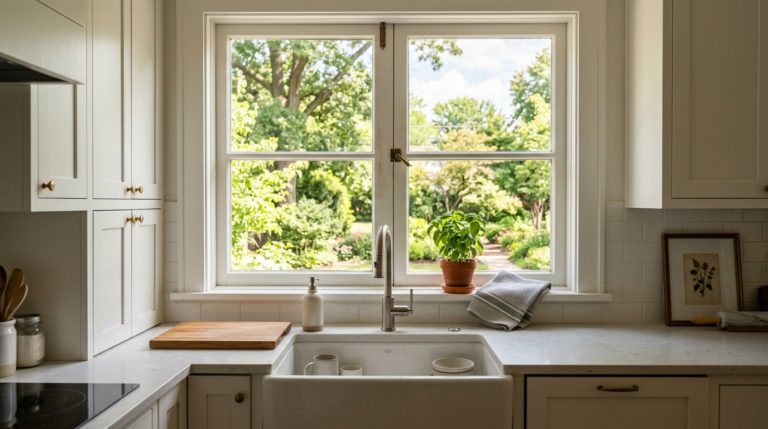
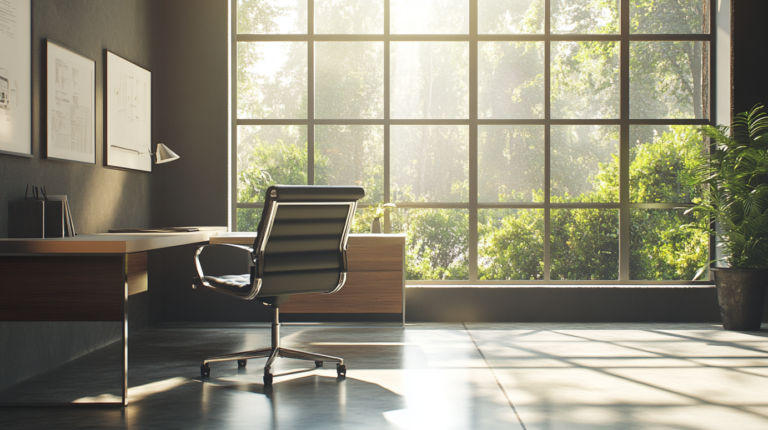
Color also follows you indoors, where it frames the view and changes the mood of a room. A crisp white frame disappears into a bright wall and makes a space feel larger; a dark frame draws a sharp line around the glass and reads as modern and intentional. Because most homeowners replace windows once and keep them for decades, this is not a choice you redo on a whim like wall paint.
That permanence is the real reason to slow down. A factory-applied frame color is baked or coated on at the plant and cannot be repainted later without voiding the finish warranty and inviting peeling. Choosing well the first time saves you from staring at a color you settled for every time you look out the window.
Start With the Colors Your House Already Has
The smartest way to narrow the field is to stop thinking about the windows and look at everything you are not going to change. Your siding, brick, stone, and roof are the fixed palette, and the frame color has to live inside it. Stand across the street at different times of day and note the undertones, whether the brick leans warm and orange or cool and gray, whether the roof is brown, charcoal, or weathered black.
Pull in the smaller fixed elements too, because they vote. The front door, gutters, soffit, and any stone or trim already set a direction, and a frame color that ignores them looks bolted on. When the roof, siding, trim, and windows share a temperature, warm with warm or cool with cool, nothing fights and the whole house reads as one piece.
Only after that do personal taste and trends get a say. A color you love in a magazine has to survive against your actual brick on an actual overcast day, and that test rules out more options than any style rule does.
Match or Contrast: Reading Your Siding
Once you know your fixed colors, the next call is whether the windows should blend in or pop. Both work, but they send different messages, and the siding usually points you toward one. Matching the frame closely to the siding gives a calm, seamless look that lets the architecture and landscaping lead. Contrasting the frame against the siding adds definition and makes the windows themselves a feature.
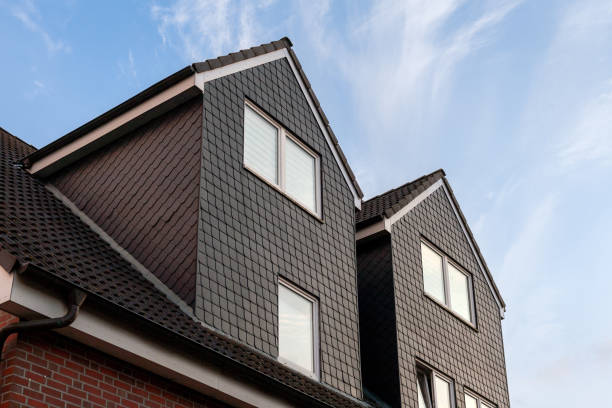
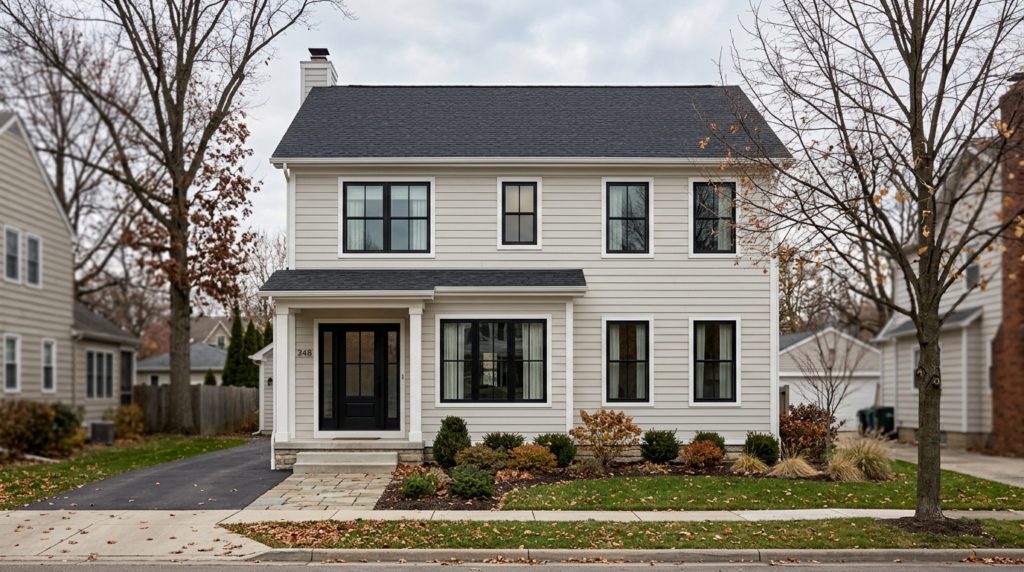
The classic mistake is landing in the middle. A frame that is almost but not quite the siding color looks like a mismatch rather than a choice, so commit to clearly matching or clearly contrasting. On a light home, dark frames create the crisp, framed-glass look that has driven the black-window trend. On a dark or bold home, white or cream frames reverse the effect and keep the facade from feeling heavy.
Material type matters here as well. Unpainted red brick pairs cleanly with bright white or a warm bronze, and either flatters the brick without competing with it. Colored vinyl or fiber-cement siding almost always wants a contrasting trim color, because matching it too closely flattens the whole wall into one bland field.
Popular Exterior Frame Colors and What They Do
Most homeowners end up choosing from a short list of proven exterior shades, each with a personality and a few trade-offs. Knowing what each one does on a real house, not a swatch, helps you shortlist faster. The notes below are what these colors actually look like on Columbus-area homes through the seasons.
- White and off-white: the safe, timeless default that brightens any facade and suits traditional homes, though it shows dirt, pollen, and water spotting sooner.
- Black and charcoal: bold, modern, and high-contrast on light siding, but the most demanding color on cheap material because it absorbs heat and fades fastest.
- Bronze and dark brown: a softer dark option that flatters brick and earth-toned homes and hides grime better than either white or black.
- Gray and beige: versatile neutrals that bridge warm and cool exteriors and read as updated without shouting.
- Wood-look and stained tones: warm and characterful for craftsman and farmhouse styles, usually achieved with a clad or laminate finish rather than real exposed wood.
Choosing the Interior Color Separately
Here is the freedom many homeowners do not realize they have: the inside of the frame does not have to match the outside. Modern windows are commonly offered in dual-color, with one finish facing the street and a different one facing your rooms. That single feature solves the most common tension in window color, where the look that suits your exterior is wrong for your interior.
The most popular split is a dark or bronze exterior with a plain white interior. The dark frame delivers the curb-appeal contrast outside, while white inside keeps rooms bright, blends with existing trim, and stays neutral as your decor changes. Pick the interior shade against your own walls, floors, and existing window and door casing, not against the outside of the house.
If you do want a statement indoors, a black or stained interior frame can sharpen a modern room or warm a rustic one, the same way it works outside. Just remember the interior color is locked in at the same time as the exterior, so decide both before the order goes in rather than discovering the option too late.
In Ohio, Color Is Really a Material Decision
This is the factor the design blogs gloss over, and it is the one that decides whether your color still looks good in ten years. A frame color and a frame material are not separate choices in this climate, because dark colors absorb solar heat and Ohio swings hard from summer sun to winter freeze. On a budget vinyl frame, that heat drives expansion that can bow the profile and fade the surface long before the glass wears out.
The darker you go, the more the material has to keep up. Fiberglass and aluminum-clad frames handle heat and ultraviolet light far better than basic vinyl, holding their shape and color for decades, which is why quality black windows are usually built on those materials or on a heat-stable capstock vinyl with a factory-applied finish. A good factory finish also carries a fade-and-peel warranty that a repaint never will.
On replacement jobs around Columbus, the windows that come back bowed or chalky a few years later are almost always a dark color sprayed onto a cheap vinyl frame. Spec the same color in fiberglass or a proper factory finish and it still looks sharp a decade on.
So treat color and material as one decision. Browse the types of windows by how their frames take color, and if you have your heart set on a dark frame, read up on black windows before you assume any line can deliver it reliably.
Dark Frames and Ohio Winters
The heat that dark frames absorb does more than risk warping; it stresses the glass package itself. On a sunny but sub-freezing January day, a south or west-facing black frame can run far warmer than the freezing air an inch away, and that temperature gap pushes the frame and the insulated glass unit through real daily expansion and contraction. Over many winters, that working motion is hard on the seal around the glass.
When a seal gives out, the argon fill escapes and moisture creeps between the panes, leaving the milky haze you cannot wipe off. A dark frame does not doom a window to this, but it raises the demand on the seal, which is one more reason the cheaper the frame, the worse a dark color ages here. If your glass ever fogs, that is a foggy seal repair question, separate from the frame color but often connected to it.
None of this should scare you off a dark frame. It should steer you toward a frame built to take one: a thermally stable material, a quality insulated glass unit, and a finish rated for sun exposure. Choose that combination and a black or bronze window survives Ohio winters as well as any white one.
A Simple Way to Decide
If the options still feel open, walk through them in order rather than staring at a full swatch deck at once. The sequence below moves from the colors you cannot change to the ones you can, so each step narrows the next. Work outside first, then settle the interior.
Above all, test your shortlist against your own house, not the showroom. A color reads completely differently under a flat Ohio overcast sky than it does under showroom spotlights, so bring samples home before you commit.
- Catalog the fixed colors. Note the undertones of your siding, brick, roof, and stone in daylight.
- Pick match or contrast. Decide whether the windows should blend with the siding or stand out against it.
- Shortlist two or three exterior shades that fit that decision and your home’s style.
- Choose the interior color separately against your trim, walls, and floors, using dual-color if needed.
- Match the color to a material that can carry it through Ohio sun and freeze without fading or bowing.
- Test samples at home on a bright day and a gray one before you place the order.
Mistakes That Make a Color Choice Backfire
Most color regret comes from a handful of avoidable errors, and they tend to surface only after the windows are in and impossible to change. Run through this list before you sign off, because each item trades a moment of thought now for a look you would otherwise stare at for years.
None of these are about taste. They are about how a color behaves on a real house, in real light, on real material.
- Judging color only in the showroom, where bright lighting makes every shade look richer and truer than it will at home.
- Almost-matching the siding, which reads as a mistake instead of the clean match or bold contrast you intended.
- Ordering a dark color on cheap vinyl, the combination most likely to fade, bow, or chalk in this climate.
- Forgetting the interior side, and ending up with a frame color indoors that fights your trim and floors.
- Chasing a trend too hard, with a bold shade that may date the house or narrow its appeal at resale.
Not Sure Which Color Suits Your Home?
Picking a window color is easier with samples held against your actual siding and a straight answer on which materials carry which colors through Ohio weather. There is no need to guess from a tiny swatch and hope it works at full scale on the wall.
Book a free, no-pressure window consultation with our Columbus-area team and we will help you match color, style, and material so the choice still looks right in ten years.
FAQ: Choosing a Window Color

Ready to fix your windows? Get a free quote in 30 seconds.
Family-owned, licensed & insured. Free, no-obligation quotes.