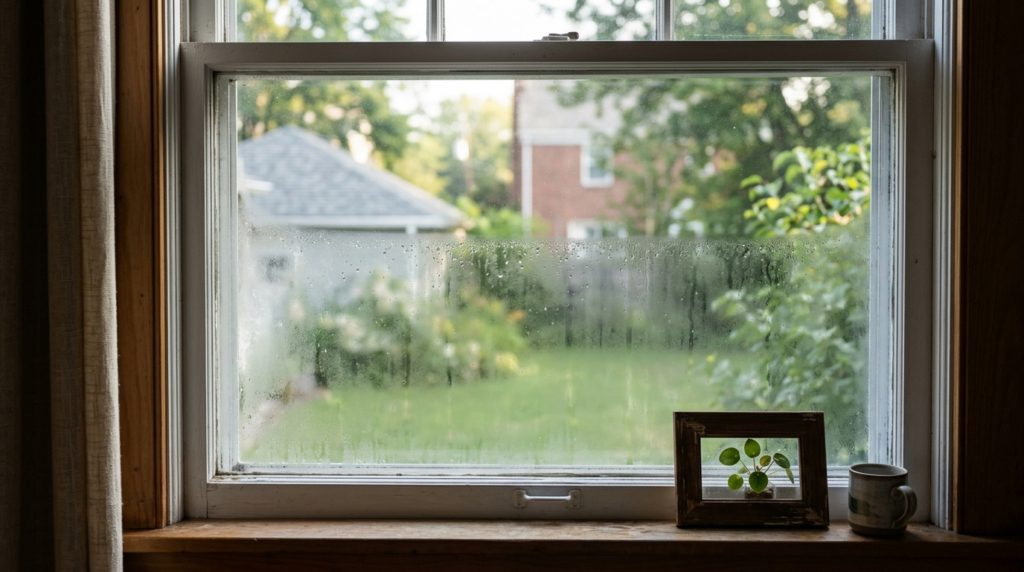
A double-pane window that turns milky from the inside is one of the most frustrating things a homeowner runs into, because no amount of cleaning touches it. The haze lives in the sealed space between the two panes, where you cannot reach it, and it means the window’s seal has let go. Once moisture gets in, the glass looks foggy on humid mornings and the window quietly stops insulating the way it should.
The honest fix depends on how far gone the unit is. Some DIY tricks buy time, but the lasting answer is usually a fresh sealed glass unit, which a tech can often swap into your existing frame. This guide covers what causes the fog, how to confirm a failed seal, the DIY methods worth trying, and when professional foggy glass repair is the smarter call.
Quick answer: You cannot wipe away the fog because it is sealed between the panes. To fix it for good, replace the insulated glass unit, which keeps your existing frame and sash. DIY dehumidifying or anti-fog kits only clear the haze temporarily and do not restore the broken seal or the lost insulation.
What Makes a Double-Pane Window Fog Up
A modern double-pane window is really a sealed sandwich called an insulated glass unit, or IGU. Two panes of glass are held apart by a spacer, the gap is filled with dry air or argon gas, and the whole edge is locked shut with a flexible seal. A strip of desiccant inside the spacer soaks up any stray moisture so the air between the panes stays bone dry and crystal clear.
That seal is the part that fails. Years of sun, heat, and the constant expansion and contraction of the glass slowly work the sealant loose. In Ohio that cycle is brutal: a single day can swing from a freezing morning to a warm afternoon, and the glass flexes with every change. Once the seal cracks, outside air carrying humidity seeps in, the desiccant fills up and gives out, and water vapor starts condensing on the inner faces of the glass.
That trapped vapor is the fog you see. On a cool morning it shows as cloudy condensation, and as it dries through the day it can leave a milky mineral film etched on the inside of the panes. If you want the full picture of how these sealed units are built, our explainer on the insulated glass unit walks through every layer.
Signs the Seal Has Actually Failed
Before you plan any repair, make sure the problem is really a blown seal and not surface condensation, which is a different issue with a different fix. The simple test is to wipe both the inside and outside of the glass with a dry cloth. If the haze wipes clear, it is room humidity on the surface. If it stays, the moisture is sealed between the panes and the unit has failed.
On service calls around Columbus, the first foggy window a homeowner notices is rarely the only one. Seal failure tends to run in batches because the windows on the same wall are the same age and face the same sun, so it pays to check every pane while you are at it.
A few other tells confirm it. Look for a faint rainbow sheen or oily distortion in the glass, milky streaks that never fully dry, or water beading that appears and vanishes with the temperature. Windows on the south and west sides usually go first, since they bake in the most afternoon sun through Ohio’s long summers.
How to Fix a Foggy Double-Pane Window, Step by Step
The process below moves from quick confirmation to the permanent fix, so you do not spend money before you know what you are dealing with. The key decision is whether the frame is still sound, because that is what separates a glass-only repair from a full window replacement.
Work through it in order. Most homeowners can handle the first three steps themselves, while the glass swap is where a tech earns the call, since a sealed unit has to be measured and built to match.
- Confirm the fog is between the panes. Wipe both glass surfaces; if the haze stays, the moisture is sealed inside the unit.
- Check the warranty. Many sealed units carry a 10 to 20 year seal warranty that may cover a free glass swap.
- Try a temporary dry-out. Lower indoor humidity and add gentle warmth near the window to clear light condensation while you plan.
- Decide repair or replace. Sound frame means a glass-only fix; a rotted or failing frame means a new window.
- Replace the insulated glass unit. Have a matching sealed unit built and swapped into the existing sash.
- Verify the new seal. Check that the unit sits clear, the glazing beads are tight, and the sash moves freely.
DIY Defogging Methods and Their Limits
Plenty of DIY methods promise to clear a foggy pane, and a couple of them genuinely help in the short term. The catch is that none of them reseal the unit or bring back the dry insulating gas, so the fog returns once the weather shifts. Treat these as a stopgap, not a cure.
The safest approaches simply manage moisture. Running a dehumidifier in the room and aiming gentle warmth at the glass, from a hair dryer held well back or a nearby heater, can evaporate light condensation for a while. The riskier method, sold as a defogging service, involves drilling tiny holes in the inner pane, flushing the cavity with a cleaning solution, and fitting a micro-vent. It can dry the glass, but it leaves the seal broken and the energy savings gone, and one slip with the drill can crack the whole pane.
- A dehumidifier to pull room moisture down to the 30 to 50 percent range.
- A hair dryer or small heater held at a safe distance to evaporate surface condensation.
- An anti-fog or defog kit for a temporary clear-up, knowing the haze can come back.
- A moisture meter or simple wipe test to confirm the fog is sealed inside before you spend anything.
Mistakes That Make a Foggy Window Worse
A blown seal is annoying but stable, and a few well-meant shortcuts can turn it into a shattered pane or a bigger bill. Run through these before you reach for a drill or a heat gun, because each one trades a small saving now for a real problem later.
The theme is restraint. The glass is under stress from trapped moisture and temperature swings, so anything that adds sudden heat or force is asking for trouble.
- Drilling without a plan, which permanently voids the seal, kills the insulating gas, and risks cracking the pane.
- Blasting the glass with high heat, since a hot air gun or close hair dryer can thermally stress and crack a cool pane.
- Ignoring the warranty, and paying for a fix the manufacturer may have covered for free.
- Scraping the inner film with tools, which cannot reach the sealed cavity and only scratches the surface you can touch.
- Putting it off for years, while the lost insulation drives up heating and cooling costs every Ohio winter and summer.
Repair the Glass or Replace the Window?
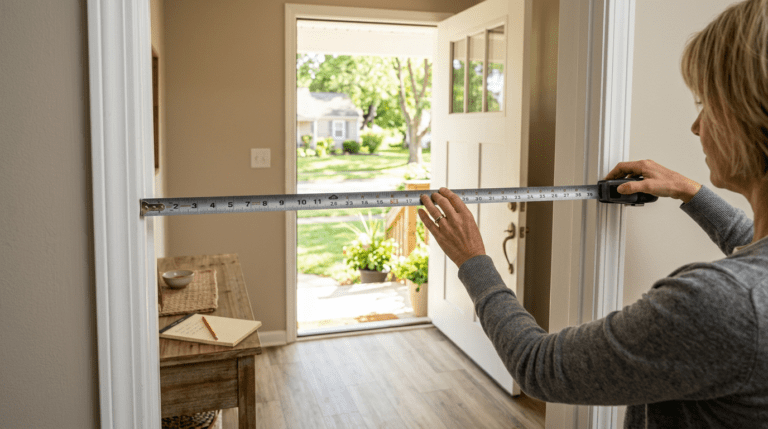
This is the question that decides the cost and the effort, and the answer hinges on the frame. If the sash and frame are solid, you almost never need a whole new window. A glazier measures the failed unit, builds a matching sealed unit, and swaps it into the existing frame, so the fog is gone and the insulation is restored without touching your trim or siding.
Full replacement makes sense when the frame itself is compromised. Rot in a wood frame, a cracked or warped vinyl sash, hardware that no longer latches, or a window that was already drafty and worn points toward a new unit rather than just new glass. If the seal failed because the window is simply old and tired, replacing it solves several problems at once.
There is a middle ground worth knowing about, too. A handful of fogged units can sometimes be saved, and our guide to whether a broken double-pane window can be repaired spells out the cases that go either way. For anything beyond a clean swap, professional glass repair and replacement keeps the fit tight and the warranty intact.
DIY vs Professional: Which Path Fits
The split is easy to draw once you separate clearing the fog from fixing the cause. DIY methods are about visibility: a dehumidifier and a little warmth can get you through a season, and a defog kit can clear the view for a guest visit. They are cheap and reversible, and they make sense when you are not ready to commit to a repair.
The professional path is about restoring the window. Measuring a sealed unit to the exact thickness, sourcing the right glass and gas fill, and bedding it back into the sash with fresh glazing is precise work, and a unit that is even slightly off will fail again. A tech also spots the things a homeowner misses, like a frame that is starting to rot behind the trim or weep channels that are feeding moisture back into the seal.
For one lightly fogged window in a sound frame, trying the DIY route first costs little. For multiple failed units, a frame that looks rough, or any window you rely on for comfort through Ohio’s freeze-thaw winters, a professional glass swap is the fix that actually lasts.
How to Stop the Fog from Coming Back
A new sealed unit will stay clear for years, but a few habits protect both the new glass and the windows that have not failed yet. Most seal failures trace back to two things you can manage: excess moisture and water that lingers around the frame. Keep both in check and the seals last far longer.
Indoor humidity is the big one. Aim to keep your home between 30 and 50 percent, using bath and kitchen exhaust fans and steady ventilation, especially through a damp Ohio spring. Outside, the small drain channels at the bottom of the frame, the weep holes, have to stay clear so rainwater drains away instead of pooling against the seal. Our walk-through on keeping glass and frames clean covers that routine.
Beyond that, inspect the exterior caulk and glazing once a year and touch up any cracks, skip pressure-washing directly at the glass edges, and watch the south and west windows that take the most sun. Catching a hairline seal gap early is far cheaper than replacing a fully fogged unit later.
Still Foggy After Trying the Fixes?
If the haze keeps coming back, or you are staring at several clouded windows and are not sure which need new glass and which need replacing, a quick look from a tech settles it fast. There is no reason to keep wiping a window that will never come clean from the outside.
Book a free, no-pressure window assessment with our Columbus and Cincinnati team and get a straight answer on whether a glass swap or a full replacement is the right move.
FAQ: Foggy Double-Pane Windows

Ready to fix your windows? Get a free quote in 30 seconds.
Family-owned, licensed & insured. Free, no-obligation quotes.