
- Services
- New Installation
- Reviews
- Projects
- About Us
- Contacts
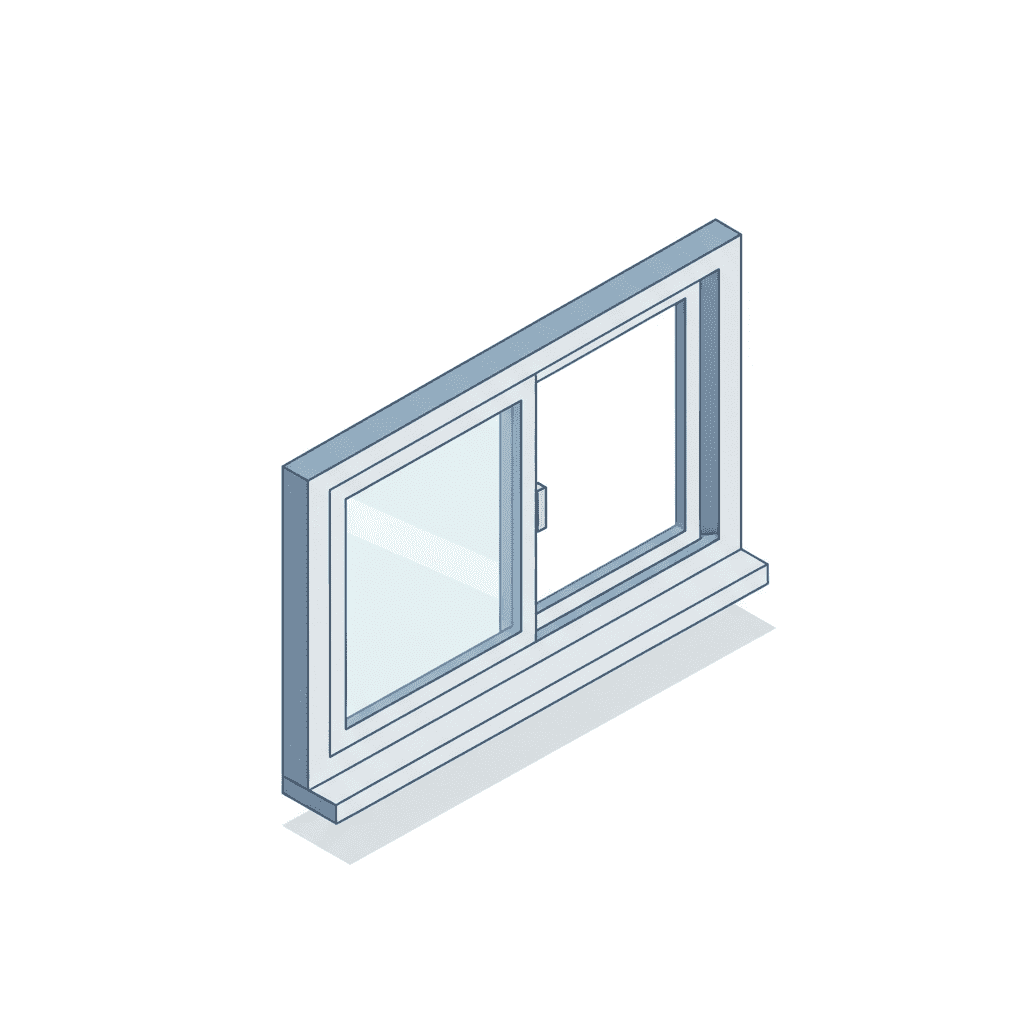
A window with one or two sashes that slide horizontally in tracks rather than swinging open, offering ventilation without requiring clearance outside the window plane.
A window with one or two sashes that slide horizontally in tracks rather than swinging open, offering ventilation without requiring clearance outside the window plane.
A sliding window (also called a gliding window or horizontal slider) operates with one or both sashes sliding left or right along horizontal tracks, similar in principle to a sliding glass door. The sash rides on rollers or glides in grooves at the top and bottom of the frame. Single-slider windows have one fixed and one operable sash; double-slider windows have two operable sashes, both of which can open.

Contact us now for a free estimate and take the first step toward repairing your windows!
Please leave your contact details.
The manager will contact you shortly.

